Melanoma
Melanoma is cancer of the melanocytes – which are the pigment-producing cells in the body. It’s the fifth most common cancer type in the United States, affecting about 2% of the population.
Melanoma may develop when gene changes occur in melanin-producing cells, leading them to mutate and multiply. Factors that raise the risk for developing melanoma include exposure to ultraviolet rays (such as sunlight), having multiple moles and being fair-skinned. It can affect people of any age, and is one of the most common types of cancer among those under age 30.
Superficial spreading melanoma is the most common type of this disease, and it usually affects the trunk, legs or arms. Other types include nodular, lentigo maligna, acral lentiginous, ocular and subungual melanoma.
The most common symptom of melanoma is a new or changing spot on the skin. This can include changes to size, color or shape. Skin affected by melanoma may also look different from other spots on the skin. Talk to a dermatologist if these or other signs develop.
If melanoma is suspected, the care team may look for signs of disease using a variety of tests, including a physical exam, dermoscopy and/or a skin biopsy. They will also stage the cancer during this process.
Surgery is the most common treatment for melanoma. Some patients may also require other treatments after surgery, such as chemotherapy and radiation therapy, to destroy remaining cancer cells. Other treatments include immunotherapy, targeted therapy and cellular TIL therapy. Survival for early-stage melanoma can be over 99%.
Getting treated for melanoma at City of Hope means you are steps away from labs where new cancer treatments are being developed every day. That proximity allows you to benefit from a unique offering in cancer care — a bench-to-bedside approach to treatment.
Melanoma research at City of Hope — driven by patient-specific, individualized treatment strategies — is focused on those differences and on designing therapies that affect how this disease develops, progresses and spreads.
When you come to City of Hope, you have access to a strong network of support services and staff to help you and your family along your melanoma journey.
Our Melanoma Expertise
City of Hope is internationally recognized for its research and breakthrough treatments. As a founding member of the National Comprehensive Cancer Network, City of Hope also develops evidence-based melanoma treatment guidelines for patients throughout the country.
Melanoma Program Highlights:
- Mohs surgery with special staining for melanoma, offering some of the highest cure rates with the least possible scarring
- Promising new therapies as part of our clinical trials program, including CAR T cell therapies and adoptive cell transfer
- Collaboration with the Melanoma Research Foundation, National Clinical Trials Network, Cytokine Working Group, SWOG Cancer Research Network, and Cancer Immunotherapy Trials Network, providing quick access to the newest therapies and clinical trials
- Deep experience with immunotherapy-based melanoma treatments
- Expertise with isolated limb infusion, a focused chemotherapy treatment unavailable at most other cancer centers
- Tumor testing and customized drug therapy tailored to the molecular profile of specific melanomas
- Expertise in advanced facial reconstructive and microvascular procedures for patients with complex melanomas
- Survivorship clinics — including physical therapy for lymphedema-related side effects — provide support and monitoring throughout the melanoma journey
- Supportive care that continues long after melanoma treatment ends, including helping you and your family adjust to post-treatment lifestyle changes
Your care includes regular interaction and input from a team that includes oncologists, surgeons, radiation oncologists, dermatologists and pathologists, along with nurses, social workers and specially trained support staff.
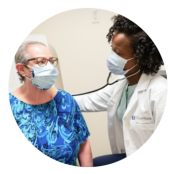
City of Hope is one of fewer than 60 facilities designated a comprehensive cancer center by the National Cancer Institute.
Our developments in the areas of breakthrough melanoma drugs, bone marrow transplants and CAR T cell therapy are recognized internationally.
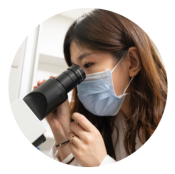
Our leadership in research and innovation continually enhances our ability to provide novel and differentiated approaches to melanoma care.


