Stem Cell Transplants at City of Hope® Phoenix
Blood cancers, such as leukemia or lymphoma, may damage blood cells in the bone marrow or the lymph system, making it difficult for the body to produce new and healthy cells. As the damaged blood cells divide and grow out of control, they also crowd out healthy cells, damage the immune system and produce a variety of symptoms, such as fatigue, fever and night sweats. To help patients with blood cancers produce new, normal cells, our doctors at City of Hope Phoenix may recommend a stem cell transplant as part of their treatment plan.
Together, we've created the largest stem cell and bone marrow transplant program in the United States, developing a new model of cancer care focused on delivering advanced treatments to even more patients diagnosed with blood cancers.
Our Services
The hematologic oncologists, hematologists and other cancer experts at City of Hope work together on a multi-disciplinary team to determine whether a stem cell transplant may be a treatment option for each patient, and if so, offering strategies to prepare for the rigorous procedure and manage potential side effects.

Our singular focus on treating cancer, and only cancer, means we have the expertise to confirm a diagnosis or treatment plan and offer options that may not have been considered.

An integrative approach to treats each patient holistically, treating not just their disease but helping them prevent and manage the side effects, so they can feel better while getting better.

Your care team will help you handle the logistics of treatment, including coordinating your appointments, getting your test results and making sure your questions are answered, so you can focus on healing.
Stem cells are immature cells that are found in blood and bone marrow and develop into different types of cells, including blood cells, nerve cells and muscle cells. A stem cell transplant replaces damaged and cancerous cells with stem cells that divide normally and eventually mature into healthy cells. A stem cell transplant differs from a bone marrow transplant because the cells are collected from blood that circulates in the body and not harvested from bone marrow.
The two main types of bone marrow transplants are:
- Autologous transplants use stem cells collected from the patient’s own body.
- Allogeneic transplants use stem cells collected from a matching donor.
City of Hope Phoenix currently performs only autologous transplants using hematopoietic stem cells collected from the patient. City of Hope does not use embryonic stem cells or those from aborted fetuses.
Are You a Candidate for a Stem Cell Transplant?
Not all patients are candidates for a stem cell transplant. Patients will be given a series of medical tests to determine whether the treatment is the right option for their specific cancer and whether they’re able to tolerate the side effects of the procedure.
Among the factors considered are:
- A patient’s overall health
- The type or subtype and stage of cancer
- The patient’s medical history
- In an allogeneic transplant, whether a donor can be found
How is a Stem Cell Transplant Performed?
A stem cell transplant is a multi-week process that requires expert care and closely coordinated side effect management. The procedure and the steps taken before and after may also make patients vulnerable to infection and produce serious side effects.
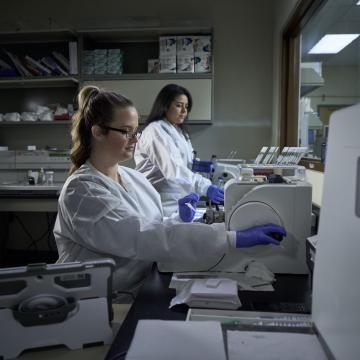
The process of collecting stem cells is the same whether they’re being harvested from a suitable donor or the patient.
Before the collection, drugs are used to mobilize the stem cells in the marrow so they can be more easily harvested while they’re circulating in the body.
During the collection, blood is drawn through a process called apheresis. The stem cells are removed, and the blood is returned to the donor or patient.
After the collection, the stem cells may be frozen until they’re ready to be infused into the patient.
Receiving the new stem cells may be the easiest part of the transplant. The process is similar to donating blood or receiving a transfusion and typically takes several hours.
Preparing for the Transplant
Before receiving new stem cells, the damaged cancerous cells need to be destroyed. To do that, patients undergo a conditioning regimen that includes high doses of chemotherapy and/or radiation therapy. Conditioning may also kill healthy bone marrow and blood cells, which may lead to multiple chemotherapy side effects, including:
- Vulnerability to infection
- Nausea and vomiting
- Mouth sores
After the Transplant
Patients who receive a stem cell transplant may be highly vulnerable to infection for weeks after the procedure. Patients should remain relatively isolated and avoid risks of injury or infection.
Other side effects may include:
- Fatigue
- Anemia
- Blood clotting issues
Some transplant side effects may occur years after treatment, including:
- Sexual side effects and fertility issues
- Cataracts
- High risk of another cancer
What is Graft vs. Host Disease?
A serious, potentially life-threatening condition may develop in allogeneic transplant patients called graft vs. host disease (GVHD). It occurs when the donated stem cells attack the body, just like they’d attack a foreign invader. Acute GVHD may be treated with immunosuppressive drugs. Potential side effects of acute GVHD may include:
- A rash, often on the hands or feet
- Digestive issues, such as nausea, vomiting or diarrhea
- Jaundice
A mild case of GVHD may be a positive sign indicating the new cells are attacking the underlying disease.
Integrative Care Services at City of Hope Phoenix
To help our patients stay strong before and after their transplant, a team of supportive care providers is available to help with managing the side effects of treatment and maintaining their quality of life. Supportive care services for stem cell transplant patients may include:

A registered dietitians help patients battling nausea or loss of appetite by developing a balanced nutrition plan that helps them get the nutrients they need.

These providers use natural supplements and techniques to reduce the effects of treatment, monitor side effects like fatigue and nausea, and support healing.

Our counselors offer mental health services designed to reduce stress, improve patients’ outlook and support to help them during this rigorous treatment.
Expert Care is Just One Call Away
If you’ve been diagnosed with a blood cancer and are interested in learning more about a stem cell transplant or other treatment, or if you’re interested in a second opinion on your blood cancer diagnosis and treatment plan, chat online with a member of our team or call us at the number below.
Stem Cell Transplant Program, City of Hope Phoenix
14200 W. Celebrate Life Way
Goodyear, AZ 85338
New Patients: (877) 524-4673
Current Patients: (847) 510-2822