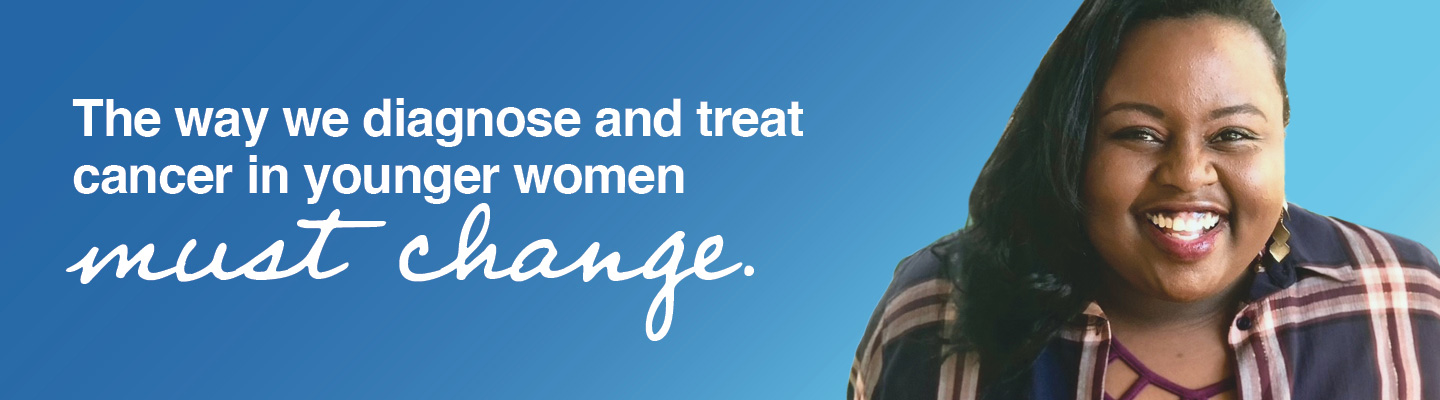
Female Voices of Cancer
City of Hope® Urges Bold Action to Address Rise in Cancer Among Younger Women
Cancer rates in women under 50 are now 82% higher than in men the same age.
City of Hope and our partners aim to change the way women’s cancers are treated and discussed.
A Call to Action
While advances in treatment mean more young people are surviving cancer, psychosocial support, tailored risk evaluations and clinical trials are vital for addressing rise in cancer among young people.
Supportive Care
With our partner Together for Supportive Care, we’re calling for a national standard of care that would ensure supportive services for cancer patients, helping them manage the physical, social, and emotional, challenges of cancer. For younger women, this includes tailored resources addressing fertility, family life, workforce re-emergence, financial health, and managing long-term risk of recurrence.
Many women could benefit from early detection but remain unaware of their heightened risk. City of Hope is joining the growing number of experts calling for breast cancer risk assessments to start at age 25. It’s also critical to expand the availability of and coverage for assessment tools that look for inherited genetic mutations, family history of cancer, and lifestyle factors.
Women under 40 remain underrepresented in clinical trials. Studies have suggested that new treatments geared toward this population can dramatically reduce mortality rates. We are prioritizing research like the phase 2 I-SPY2 trial, designed to improve outcomes for high-risk breast cancer patients by testing new therapies individualized to cancer biology that are administered before surgery.
Find out more about City of Hope Clinical Trials.
Insights from City of Hope Cancer Experts
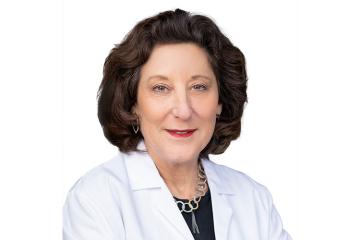
Women's Cancers Program Director
"New therapies are allowing more people with cancer to live longer. But the reality is that cancer research, treatment and even the support we provide are generally tailored to older patients that historically were most impacted by cancer. Today’s data has shifted. Many women are navigating a cancer landscape that fails to address their unique needs, including preserving their quality of life long after diagnosis."

Medical Oncologist
“Sometimes I’ll see an older person or couple and a 30-year-old woman in my waiting room—and I have to double-check who the patient is. We just don’t expect the 30-year-old daughter to be the one with lung cancer. This wasn’t in our medical school training.”
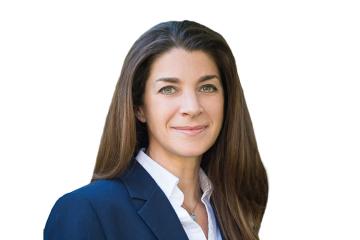
Executive Director, Department of Supportive Care Medicine
“We need to talk more about how cancer uniquely impacts younger women and fertility. There are techniques that we can normalize and introduce early - like egg preservation, freezing some ovarian tissue to be re-transplanted later, and even new therapies to reduce the risk of chemotherapy-induced ovarian damage.”
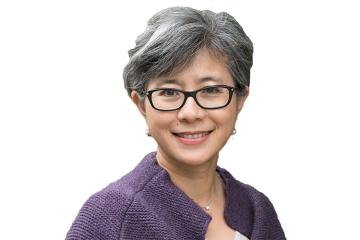
Colorectal Surgeon
“We need to stop treating 30-year-old women like 70-year-olds. Radiation, chemotherapy, surgery – every decision has a lasting impact when you’re treating someone with half a lifetime still to go.”
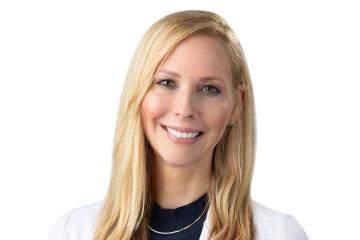
Chief Clinical Officer and Radiation Oncologist, City of Hope Cancer Center Atlanta
“We are seeing more women in their 30s and 40s — many with no smoking history — being diagnosed, sometimes in advanced stages. Although we are developing many new ways to treat this disease, we need to stop thinking of lung cancer as a concern of older smokers. There are important questions to be asked, such as why lung cancer is happening to this population — and how we diagnose it earlier. ”
Talk to a Cancer Care Specialist
If you or a loved one is navigating a recent diagnosis, City of Hope offers personalized, expert-driven care for younger women. Our team is here to answer questions, provide support, and help determine the best path forward.
Facts and Figures about Cancer in Women
From early detection to rising lung cancer rates in women, these insights highlight key developments in women's cancer care.

Younger Women
Speak Up

"After losing my sister to breast cancer, I never thought my own diagnosis would come next. I felt anxious and powerless, not wanting to go through the same process. But I found comfort in speaking up for myself. It's crucial to find a sense of comfort and peace quickly. I decided not only to beat this, but to use my experience to encourage others going through a similar journey as me."
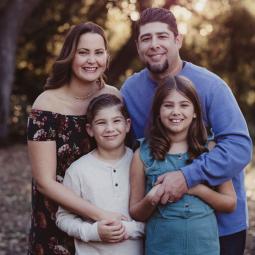
Alisa Secaida, 39, mother of two:
“When you're a young mom and hear the word 'cancer,' your world shatters. I wish people understood how isolating it is to face the stigma of lung cancer — as if you did something to deserve it. The truth is, it can strike anyone, even healthy young women who are nonsmokers like me. What made it even harder was how long it took to be heard. There are no routine screenings for people like me, and my symptoms were dismissed again and again. I was made to feel like I was overreacting when in reality, my body was fighting cancer.”

Sara Glenn, 39, currently undergoing breast cancer treatment and fighting to keep cancer from her daughter’s lives:
“My diagnosis came out of the blue—I had no family history of breast cancer. But we later discovered I carry the same tp53 gene mutation as my father. This discovery led to an additional diagnosis of Li-Fraumeni Syndrome for my father, one sister, and both of our daughters. We’re all participating in clinical trials. It’s overwhelming, but even when it’s scary, I believe knowledge is power.”

Gabby Zappia, 37, mother of three:
“I put my trust in the medical professionals who told me my symptoms were common during pregnancy. Nine months later, I found out I had stage 4 colon cancer. I’m speaking out so others will advocate for themselves too.”

"In the beginning I just tried to be a 'nice' patient. But after facing two cancers in two years at 36 — triple negative breast cancer, then acute lymphocytic leukemia — I am determined to always speak up for myself. It's frustrating when you're not heard. Never feel like you're being a burden just because you're asking questions."
Acting on Hope: What Young Women Can Do
City of Hope experts make the following recommendations for young people to lower or reduce their chances of incidence and recurrence.

If symptoms persist, trust your instincts and consider a second opinion. A good partnership with your doctor makes a vital difference. Make an appointment today.

Inherited mutations account for 10% of cancers; knowing your family history guides in early screening, prevention strategies, and lifestyle adjustments.

City of Hope offers advanced genetic testing to help evaluate cancer risk and support prevention. You can also explore tools like the National Cancer Institute's risk assessment tool.

Research links poor diet and gut health to rising colorectal cancer risk in young adults. A healthy weight and exercise is vital, especially post-menopause.

Fertility preservation can be planned by preserving fertilized or unfertilized eggs. Women should feel empowered to discuss fertility options upon diagnosis.

Supportive care improves outcomes, lowers recurrence risk, and improves quality of life. Younger survivors should seek services for their unique long-term needs.
Resources
- For more information on supportive care, visit Together for Supportive Care.
- For more information on City of Hope clinical trials.
- Learn about the Tigerlily ANGEL program focused on patient advocacy.