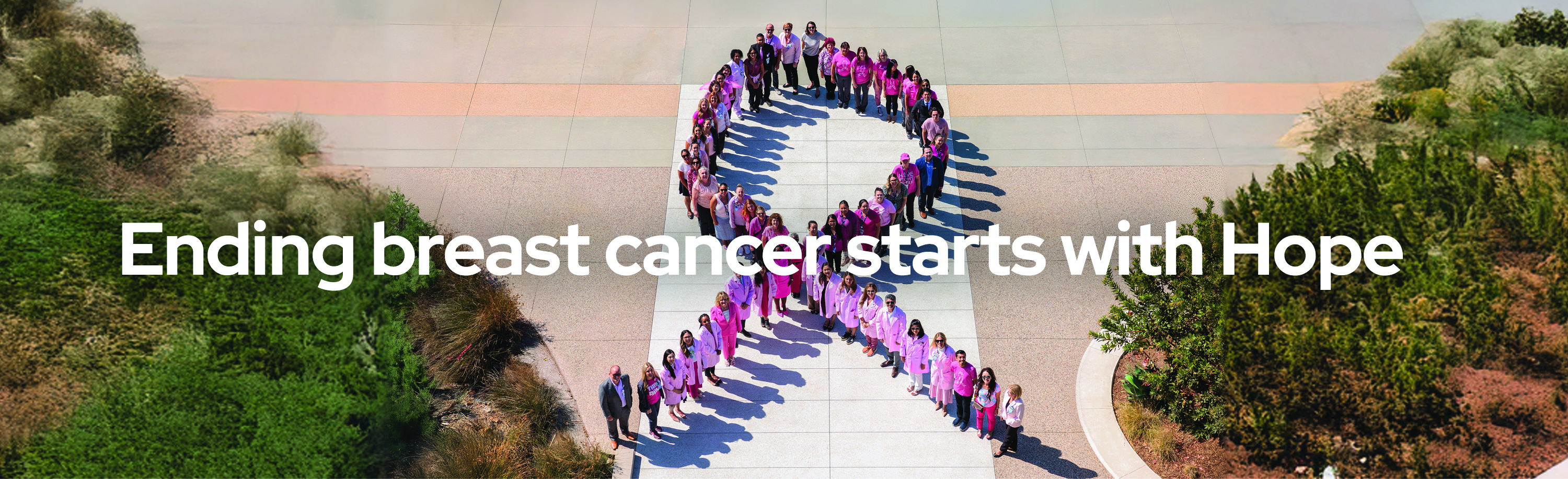
Share your breast cancer story.
Support survivors. Help advance the next generation of breast cancer treatment.
Breast cancer is the most common cancer among women in the United States. City of Hope is leading the next frontier of care: helping people not only survive breast cancer, but live well by providing personalized treatment and evidence-based supportive care during and after breast cancer.
City of Hope is bringing together patients, caregivers, clinicians and community partners to honor breast cancer survivors, support those affected by the disease, and raise awareness of the resources and research helping people live longer, fuller lives after diagnosis.
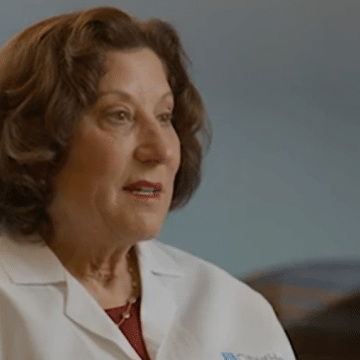
Renowned breast oncologist Hope Rugo, M.D. speaks about the comprehensive access to leading-edge care and treatment that City of Hope is dedicated to providing for patients.
Join us to create community, be a voice of hope and inspire others. City of Hope invites survivors to share stories about the people, moments and milestones that have given them hope.
Why Survivorship Support Matters

4.3 million women in the U.S. have a history of breast cancer
Many need long-term, evidence-based support to manage the physical, emotional,
financial and social effects of diagnosis and treatment

Survival now exceeds 90% overall, thanks to advances in screening, precision medicine and treatment.

Breast cancer rates have risen about 1% each year over the last decade, with slightly higher increases among women under 50.

Black women have a higher breast cancer mortality rate than white women, and Hispanic/Latina women have a lower five-year survival rate, underscoring the need for culturally responsive diagnosis, treatments, and survivorship programs.
Meet the Voices of Hope
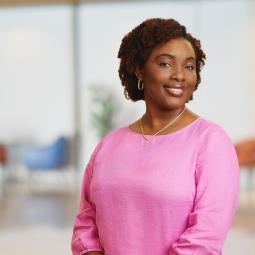
"It [breast cancer] is a part of my story, but it's not who I am; I'm not just the cancer patient. I am Sade who went through something and I'm on the other side of it."

“Even though I am an employee of City of Hope there's nowhere else I would have gone. At the time, I had an all-female breast team, which was important to me. Also, the way they sat me down and explained my next steps instead of just saying, ‘Hey, we'll see you in 24 to 48 hours.’ They take the time and treat you as a whole person.”
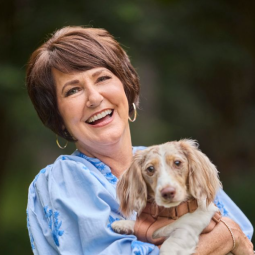
“The City of Hope team will work with you to understand what you want instead of just the standard treatment for cancer. They listened to me. When I said that it was really important to me that I kept my hair, they listened. I was able to keep about 95% of my hair.”
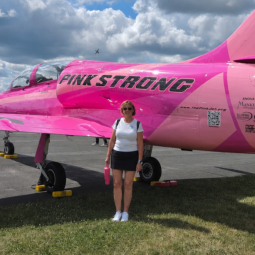
“As survivors, we share a bond. We know that breast cancer impacts every aspect of our lives. We also know we are stronger than we ever knew. My advice is to connect with others, lean on the people who want to help, and use every resource available to you. You’ll get through this. You are not alone.”
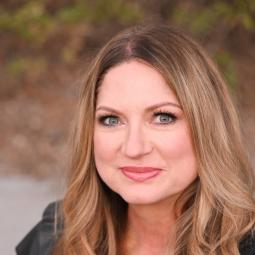
“Cancer care that heals the whole person can make all the difference. Every person with breast cancer needs to know they are surrounded by people who believe in them, and that is what I discovered at City of Hope - that even during the hardest moments of our lives, miracles can happen in everyday moments.”
The Experts
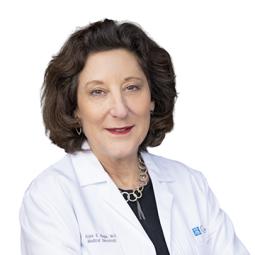
"Breast Cancer Awareness Month is a reminder of how much progress we've made against this disease. New targeted therapies, novel endocrine therapies, antibody-drug conjugates and the ability to tailor treatment to biology as well as other treatment advances are helping more patients live longer and with a better quality of life. We’re committed to accelerating that progress through research and clinical trials that bring not only the next generation of therapies but also the best treatment options to patients as quickly as possible. There is still work ahead, but there is also real reason for tremendous hope.”
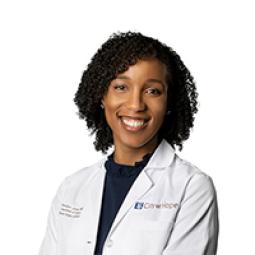
“The research that we're doing at City of Hope is helping patients live longer, fuller, healthier lives. We can now tell patients that they are going to do better than they would have done five to ten years ago. We can also tell them that we can monitor them better. We are investigating blood tests that are able to detect whether or not the cancer is coming back. Additionally, we have better therapies to manage their medication side effects to improve quality of life.”
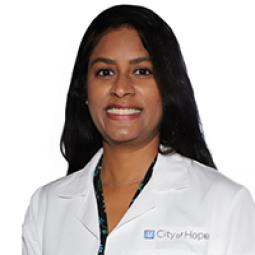
“We look at the whole picture. It’s not just about the disease; it’s about the person in front of us. With more advanced treatment options available than ever before, we work to match each person to the therapy that’s right for them, so they can feel confident on their path to healing.”
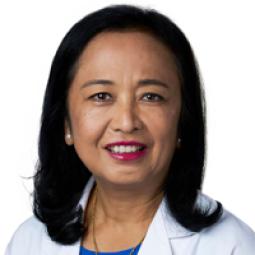
“No one knows your body better than you do. If something feels different, don’t wait and don’t talk yourself out of it – talk to your doctor. That’s how we catch cancer early and offer the most treatment options.”
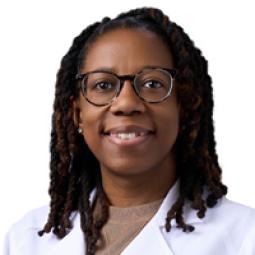
“I am most excited about all of the personalized treatment options we have now because now we can do special genomic testing on a patient's specific cancer to determine what mutation is actually driving their cancer to grow. We are able to bring treatments to patients. It's personalized care based on their genetic profile.”
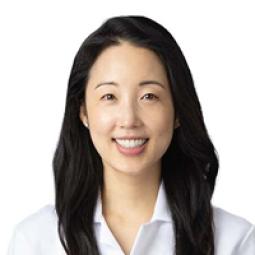
“Regular screening is the most reliable way to detect cancer early. I encourage women to talk about their personal and family history with their doctor, complete an individual risk assessment and follow the recommended screening schedule. If you are due for a mammogram, schedule it today.”
Care That Goes Beyond Treatment
City of Hope is advancing breast cancer care through treatment, research and support that meet patients where they are, including:
- Personalized treatment, including targeted therapies, precision medicine and advanced surgical and radiation approaches.
- Supportive care for fertility, family planning, emotional well-being, cardiovascular and bone health, and life after treatment.
- Making genetic testing and precision medicine available to more patients, so we can tailor treatments to the unique biology of each person’s cancer and select therapies most likely to achieve the best outcomes.
- A national clinical trial model with more than 100 breast cancer studies that are being developed or are enrolling patients across our U.S. sites.
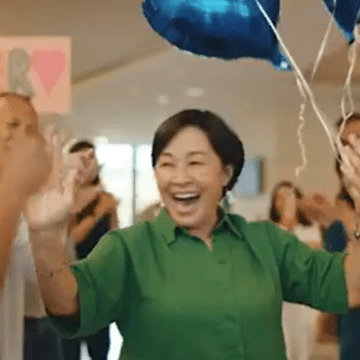
Choosing City of Hope gave Angela access to leading-edge treatment and expertise focused on giving her the best possible outcome.
Know the Symptoms
Breast cancer may cause no symptoms, particularly in its early stages. Possible symptoms include:
- A new lump or mass in the breast or underarm
- Nipple discharge other than breast milk, which may contain blood
- Swelling of the breast or thickening of the skin
- Dimpling or puckering of the breast skin, sometimes resembling an orange peel
- Pain or discomfort in the breast, nipple or underarm
- Dry, scaly, thickened or reddish skin on or around the nipple
- A nipple that turns inward
- Swollen lymph nodes near the collarbone or in the underarm