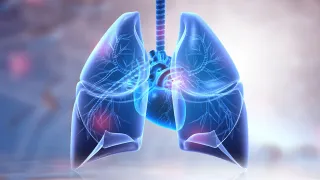
The liver is one of the more common sites that lung cancer can spread to; and when it does, people may have few or no symptoms at first, even as secondary tumors develop.

“Metastasis is a serious and common occurrence in lung cancer, but it does not mean there is nothing that can be done,” says Lee Hong, M.D., Ph.D., a medical oncologist specializing in thoracic oncology at City of Hope Orange County and an assistant clinical professor of medical oncology and therapeutics research at City of Hope. “There are more options to target, treat and manage lung cancer today than ever before, and therapies continue to become more personalized.”
In this article, you will learn:
- What symptoms liver metastases may cause
- How liver metastases are detected
- What treatment options may be available
- How palliative care can help
- What factors can influence a patient’s outlook
Why can lung cancer spread to the liver without causing symptoms?
The liver can continue working normally for a while when a small part of it is affected by cancer. As a result, early liver metastases may cause few or no noticeable symptoms.
It can be confusing to learn that cancer has spread when you still feel well. But doctors do not rely on symptoms alone to determine whether cancer has spread. Imaging can sometimes detect cancer in the liver before a person notices any changes, making regular monitoring an important part of care.
What symptoms can liver metastases cause?
When symptoms do occur, they can vary. Possible signs include fatigue, loss of appetite, unexplained weight loss, nausea or discomfort in the upper right side of the abdomen, where the liver is located.
If cancer begins to affect how well the liver works, symptoms may include:
- Yellowing of the skin or eyes, known as jaundice
- Itching
- Dark urine
- Swelling in the abdomen or legs
These symptoms can have many causes and do not necessarily mean cancer has spread. New or worsening changes should be discussed with your care team so they can determine what is causing them.
How are liver metastases diagnosed?
Doctors typically identify liver metastases through imaging tests such as CT, PET/CT or MRI scans. Blood tests can also provide information about how well the liver is functioning.
In some cases, a biopsy may be needed to confirm that an area seen on imaging is cancer. Together, these tests help doctors understand the extent of the disease and guide treatment decisions.
How is lung cancer that has spread to the liver treated?
There is no single treatment plan for metastatic lung cancer. Treatment depends on the type of lung cancer, its molecular characteristics, where and how extensively it has spread, overall health and other factors. Options may include chemotherapy, immunotherapy, targeted therapy or a combination of treatments. Surgery is a less common option in stage 4 lung cancer but may be possible when appropriate.
Biomarker testing can be particularly important because it may reveal characteristics of the cancer that can be targeted.
At City of Hope, molecular and genetic testing is used to help tailor lung cancer treatment to each patient. In selected cases, treatments directed specifically at tumors in the liver may also be considered. Clinical trials can provide access to additional approaches being studied for advanced lung cancer.
How can palliative care help?
Palliative care does not mean giving up or stopping cancer treatment. It is a recognized subspecialty of clinical supportive medicine focused on helping patients feel and function as well as possible and can be provided alongside their treatment.
That can include managing pain, nausea, fatigue, appetite changes, shortness of breath and other symptoms. Palliative care can also provide emotional and practical support for patients and their families.
What affects the outlook for someone with liver metastases?
Lung cancer that has spread to the liver is advanced disease, and a patient’s outlook depends on many factors, including the type and characteristics of the lung cancer, how extensively it has spread, liver function, overall health and response to treatment. Newer targeted therapies and immunotherapies have also changed the outlook for some patients.
Ask about biomarker testing, treatment options and whether a clinical trial may be appropriate. Just as importantly, tell your care team what matters most to you.
“Every patient with cancer is a unique individual, and no population statistic can fully capture everything that influences one individual’s experience with the disease,” Hong says. “Our goal is to develop and implement the personalized treatment plan that is most likely to control the cancer while helping the patient maintain the best possible quality of life.”
Ending lung cancer starts with Hope. To make an appointment at any of City of Hope’s Orange County locations, call 888-333-HOPE (4673).
Talking Hope: New Hope in Lung Cancer Treatment and Surgery
Talking Hope: Helping write the “survival guide” for others: Meet lung cancer survivor Michelle Vacca
For this grateful cancer survivor, Hope crosses coasts