
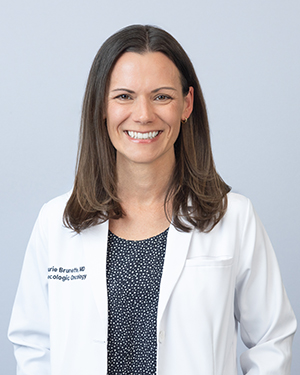
"There isn't a one-size-fits-all answer, but eliminating alcohol takes the question off the table," says Laurie L. Brunette, M.D., a gynecologic oncologist at City of Hope Orange County Lennar Foundation Cancer Center, City of Hope Newport Beach, and City of Hope Seacliff. "Some patients with ovarian cancer may be able to have an occasional drink, while others need to avoid alcohol altogether. It depends on where they are in treatment, the medications they take, their liver function, nutritional status and how they're feeling overall.”
In this article, you'll learn about:
- Why alcohol is an “it depends” question for patients with cancer
- How alcohol may affect treatment and recovery
- When extra caution is important
- Whether one type of alcohol is better than another
- How to reduce potential risks if you choose to drink
- Why talking with your oncology team matters
Why the answer is different for everyone
Whether alcohol is appropriate often depends on where someone is in their ovarian cancer journey.
Before surgery and during chemotherapy or other active treatment. It is well established that alcohol can worsen side effects, interfere with medications and slow recovery.
During maintenance therapy or after treatment, the answer becomes more individualized. Some patients may be able to enjoy an occasional drink, while others should continue to avoid alcohol because of medication interactions, liver abnormalities or lingering side effects. Rather than assuming alcohol is appropriate, Dr. Brunette encourages patients to ask their oncology team what's best for their specific situation.
Can alcohol make ovarian cancer worse?
"We don't have conclusive evidence that an occasional drink causes an existing ovarian cancer to grow or spread," Dr. Brunette says. "However, alcohol can still make treatment and recovery significantly more challenging."
Alcohol may worsen fatigue, dehydration, nausea and poor nutrition. Heavy or frequent drinking can also affect liver function and the way the body processes certain medications. Even if alcohol isn't directly affecting the cancer itself, it may make it harder for patients to tolerate treatment and feel their best.
When should patients be especially cautious?
Alcohol can interact with several medications commonly used during ovarian cancer treatment, including opioid pain medicines, sleep medications, anti-anxiety drugs and some anti-nausea medications. It can also increase stress on the liver, particularly when combined with medications that are processed there.
Because treatment plans often include multiple prescriptions and supportive medications, Dr. Brunette encourages patients to ask their oncologist or oncology pharmacist before drinking alcohol, even if they think the amount is small.
Patients should also avoid alcohol before or soon after surgery, while taking medications that cause drowsiness or when they're already dealing with nausea, dehydration or poor appetite.
Is one type of alcohol safer than another?
There is no scientifically established “safe” amount you can drink, and no type of alcoholic beverage has been shown to offer an advantage over another for people with ovarian cancer. Wine, beer and spirits all contain ethanol, so the amount consumed generally matters more than the type of drink.
Current U.S. dietary guidelines recommend consuming less alcohol for better overall health, and the Centers for Disease Control and Prevention define moderate drinking as two drinks or less per day for men and one drink or less per day for women.
If you choose to drink
The first step is asking your oncology team whether any level of alcohol consumption can be compatible with your treatment plan and medications.
If it is, keep the serving small (standard drink sizes are 5 fluid ounces of wine, 1.5 ounces of spirits or 12 ounces of beer), drink slowly, have alcohol with food and stay well hydrated.
Cancer treatment can lower your tolerance for alcohol, so listen to your body and stop if it makes you feel worse. Something that felt fine before diagnosis may not feel the same during treatment.
Talking openly with your care team
Dr. Brunette approaches conversations about alcohol without judgment. Patients may drink for many reasons, including social connection or stress, and she wants them to feel comfortable being honest with her.
“My goal isn't to tell patients they can never have alcohol,” Dr. Brunette says. “It's to make sure it doesn't interfere with their treatment, medications, nutrition or recovery. Together, we decide what's most appropriate based on their treatment plan, overall health and personal preferences.”
Patients also shouldn't feel that an occasional drink in the past caused their cancer or that one decision will determine their outcome. Alcohol is just one part of the bigger picture. If you have questions about alcohol use, ask your oncology team rather than guess.
Ending cancer starts with hope. CityofHope.org/OC | 888-333-HOPE (4673)
The surgeon general’s cancer warning on alcohol is long overdue
Ovarian cancer no match for swift action by City of Hope Orange County team
How FRα testing is expanding treatment options for ovarian cancer