
Update: On August 26, 2026, the FDA approved Rasonque™ (daraxonrasib) for eligible patients with pancreatic cancer, offering a significant new potential treatment option and renewed reason for optimism. Individuals interested in learning whether this treatment may be appropriate for them should speak with their physician or schedule a consultation with a City of Hope specialist. A City of Hope physician can review the patient's diagnosis, treatment history and other clinical factors to determine whether Rasonque may be an appropriate treatment option.
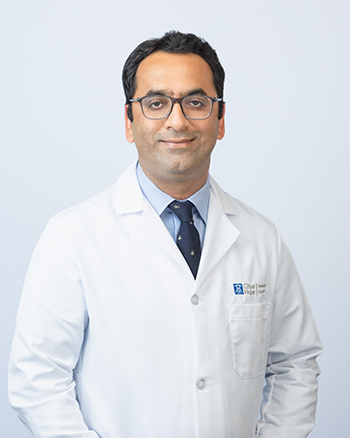
For Peter and Antoinette Thomas, hope came just in time. It began with a phone call from Pashtoon Kasi, M.D., Peter's oncologist and the medical director of GI medical oncology at City of Hope Orange County, and it was delivered days later in the form of an unassuming but far from ordinary bottle of pills.
After months of treatment for advanced pancreatic cancer, including chemotherapy, radiation, several hospitalizations and a life-threatening bout of sepsis, the 67-year-old San Clemente resident and his wife learned he would soon receive daraxonrasib, an investigational therapy being studied for metastatic pancreatic cancer.
City of Hope played a pivotal role in advancing this promising new therapy, and City of Hope Orange County was among the first cancer centers in the country to offer eligible patients access to daraxonrasib through the U.S. Food and Drug Administration's Expanded Access Program (EAP).
Decades of scientific discovery, cancer-focused clinical expertise and months of perseverance by the Thomases and their family came together in the moment Peter received his medication. The couple had pursued every available option while helping Peter stay healthy enough to qualify.
Daraxonrasib is not a cure and is not right for everyone. But for eligible patients with advanced pancreatic cancer whose tumors carry the KRAS mutation, daraxonrasib represents an unexpected and hopeful opportunity.
For decades, pancreatic cancer has remained one of the deadliest and most difficult cancers to treat, with relatively few meaningful advances despite extensive research. Daraxonrasib targets KRAS, the genetic driver behind more than 90% of pancreatic cancers, a mutation once considered one of cancer's most elusive therapeutic targets.
Only weeks ago, researchers unveiled landmark results of a clinical trial comparing daraxonrasib to standard chemotherapy at the 2026 American Society of Clinical Oncology (ASCO) Annual Meeting. Today, daraxonrasib is beginning to reach patients like Peter.
Holding On to Hope
Peter's journey to that phone call began nearly a year earlier with a diagnosis of metastatic pancreatic cancer.
Chemotherapy and radiation initially reduced his tumor burden, but the disease eventually progressed. As the alternatives narrowed, the Thomases refused to stop looking for another option. While they worked with Dr. Kasi and the City of Hope team to pursue access to daraxonrasib, Peter focused on another equally important goal: staying healthy enough to receive the investigational drug.

"About a month ago, after his latest round of chemo, we just said, 'That's it. No more chemo,'" Antoinette recalled, adding that it was taking too much of a toll on him.
"Dr. Kasi said, 'Peter, just hang on. This is coming soon,'" Antoinette recalled. "I think the hope of getting the drug was his motivation to get up, eat and keep fighting each day."
When the shipment of daraxonrasib arrived, Antoinette said the excitement spread throughout Peter's care team. She recalled Dr. Kasi telling them he had run out to meet the delivery truck himself. The family later learned from the drug's manufacturer that Peter's application had been among the first approved.
"Peter's smile is back," Antoinette said.
Opening the Door for Others
The Thomases chose to share their story because they hope it encourages other patients and families to ask questions early, pursue comprehensive biomarker testing and explore emerging therapies.
They also hope patients understand that access to investigational options often requires persistence. It may involve biomarker testing, clinical trials or programs such as the EAP. Just as importantly, patients and families should never hesitate to ask questions and advocate for themselves.
The couple says they benefited from receiving care at a nationally-ranked academic cancer center where renowned physicians like Dr. Kasi are closely involved in leading-edge cancer research and treatment.
Peter hopes his experience reminds others to ask about every available therapy, seek expert guidance and never assume they have reached the end of the road.
"This isn't the silver bullet yet," Peter said. "But it opens the door. Others will be building on this technology and improving it. With all the expertise and science being brought to bear on this disease, there is hope for the future."
Ending Cancer Starts With Hope. CityofHope.org/OC | 888-333-HOPE (4673)
Beyond the KRAS-Targeted Therapy Breakthrough: Why a New Pancreatic Cancer Drug Matters