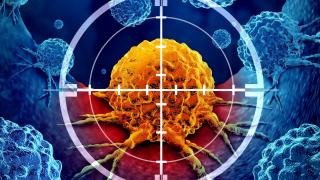
BiTE therapy, short for bispecific T cell engager therapy, is an innovative form of immunotherapy that helps the body’s own immune system find and destroy cancer cells. Unlike traditional treatments that directly target cancer, BiTE therapy works by bringing a patient’s T cells — specialized immune cells — into close contact with cancer cells, enabling them to recognize and eliminate the cancer more effectively.
Immunotherapy has transformed cancer care over the past decade and is now considered a major pillar of treatment alongside surgery, radiation therapy and chemotherapy for many cancers. As one of the newest advances in this field, BiTE therapy is offering new hope for patients with certain blood cancers, particularly for those whose disease has returned after prior treatment or has’nt responded to standard therapies.
BiTE therapy is used to treat myeloma, leukemia, lymphoma and certain solid tumors (such as lung cancer). BiTE drugs approved by the U.S. Food and Drug Administration are also being studied in clinical trials designed to test their effectiveness against several other types of cancer.

“BiTE therapy has become an important treatment option for patients with blood cancers,” says Sabarish Ram Ayyappan, M.D., hematologist and medical director of cellular therapies at City of Hope® Cancer Center Atlanta. “By redirecting a patient's own T cells to recognize and attack cancer cells, BiTEs harness the immune system to fight the disease.
“For patients whose cancer has relapsed or become resistant to standard treatments, BiTEs have produced deep, durable responses and significantly expanded our treatment options. Although they are’nt appropriate for every patient, they offer an effective outpatient treatment option for many individuals.”
This article discusses the basics of BiTE therapy, including:
- What is BiTE therapy?
- What cancers does BiTE therapy treat?
- BiTE therapy side effects
- How is BiTE therapy given?
- BiTE therapy survival rates
If you or a loved one is concerned about possible signs or symptoms of cancer and would like an initial consultation or a second opinion, call us 24/7 at 877-460-4673.
What Is BiTE Therapy?
Our immune systems are designed to recognize and destroy cancer cells, but tumors are often able to evade detection, which allows them to grow and spread. Bispecific T cell engagers, or BiTEs for short, help immune cells identify where the cancer cells may be hiding in the body, so they may be destroyed.
Comprised of a Y-shaped antibody, BiTEs bind one protein on a cancer cell with another on a type of immune cell known as a T cell, bringing the two cells close together. This activates the T cell’s ability to target and kill cancer cells — causing tumors to self-destruct.
The idea for BiTE therapy was first proposed in the 1960s. Today, more than a half-dozen BiTEs have been approved to treat cancer, and several more are in clinical testing.
What Cancers Does BiTE Therapy Treat?
The FDA has approved the following seven BiTEs to treat patients with certain blood cancers, including multiple myeloma, leukemia and lymphoma, by targeting proteins expressed by malignant blood cells:
- Elranatamab (Elrexfio®), which is approved for certain cases of heavily pretreated multiple myeloma
- Talquetamab (Talvey®), used to treat certain patients with heavily pretreated multiple myeloma
- Blinatumomab (Blincyto®), for adult and pediatric patients with certain B cell-derived acute lymphoblastic leukemias
- Glofitamab (Columvi®), for select patients with certain types of pretreated diffuse large B cell lymphomas (DLBCL) or large B cell lymphomas (LBCL)
- Epcoritamab (Epkinly®), for select patients with certain types of pretreated DLBCL or LBCL
- Mosunetuzumab (Lunsumio®), for certain patients with relapsed or refractory follicular lymphoma
BiTEs have proven to be very effective at treating multiple blood cancers but have so far been unsuccessful against solid tumors. Research is continuing into new ways to use BiTEs — and similar immunotherapies — to potentially expand BiTE therapy to prostate cancer, some forms of digestive system cancer and others.
Dr. Ayyappan says BiTE therapy, and immunotherapy in general, is the new frontier in cancer care.
“Without question, immunotherapy has transformed the treatment of many blood cancers,” he says. “Bispecific antibodies are part of this revolution, alongside chimeric antigen receptor (CAR) T cell therapy and immune checkpoint inhibitors. These advances have led to deeper, longer-lasting remissions and improved survival for many patients. Ongoing clinical trials continue to evaluate earlier use, new targets and novel combinations aimed at further improving outcomes while reducing toxicity.”
BiTE Therapy Side Effects
Like all cancer treatments, BiTE therapy may cause side effects. Some patients may experience serious complications, including cytokine release syndrome (CRS) — an inflammatory response caused by excessive immune activation — and neurologic side effects, which may range from mild confusion or tremors to more severe symptoms. BiTE therapy may also reduce certain normal immune cells, increasing the risk for bacterial, viral and fungal infections.
Patients receiving BiTE therapy are closely monitored, and effective strategies are available to prevent, recognize and manage these side effects early. Clinicians utilize steroids to treat neurological toxicities and immune-suppressing drugs for patients who have these reactions. They may also administer antibiotics prophylactically and donor antibodies during BiTE therapy.
In some patients, cancer cells may stop expressing the target antigen to evade detection by the BiTE, or they might increase the expression of certain immune-suppressing proteins to block the T cells from being activated.
Another challenge some patients face: Many antigens expressed on the surface of solid tumors are also on healthy cells, which may increase the likelihood that BiTE therapy will attack and kill healthy, noncancer cells and potentially damage vital organs.
Despite these potential side effects and challenges, BiTE therapy is generally considered safe when administered under medical supervision but requires careful monitoring.
How Is BiTE Therapy Given?
BiTE therapy is given to patients via intravenous (IV) infusion or subcutaneous (under the skin) injection. In general, patients are given a lower dose to start, with a gradual increase over time until the recommended dose is reached for their individual cancer.
Treatment is usually administered once a week, or every other week, but may also be given less frequently after an extended period of time or if it is proving to be effective.
During treatment, patients are monitored closely by their health care team for any potential reactions, which may require a hospital stay or close outpatient follow-up at the start of treatment.
Most patients are able to go home the same day they receive BiTE therapy, although some patients may be advised to stay in the hospital for observation during the first doses.
Doctors consider several key factors when deciding on BiTE therapy for a patient, Dr. Ayyappan explains, including:
- The specific type of blood cancer a patient has and its biology
- Prior treatments and how the disease responded
- The patient's overall health, age and other medical conditions
- Disease burden and how quickly the cancer is progressing
- Potential side effects and whether the patient can safely undergo the required monitoring during treatment initiation
- The patient's goals, lifestyle and preferences
“One of the most important aspects of care is balancing effectiveness with quality of life,” Dr. Ayyappan adds. “We discuss the benefits, potential risks and alternative treatment options with patients so they can make an informed decision that aligns with their goals.”
BiTE Therapy Survival Rates
It’s difficult to track survival rates for BiTE therapy because there are several, different lab-made medications for each cancer type.
One study published in the New England Journal of Medicine found BiTE therapy helped people with multiple myeloma after other treatments failed. Researchers found 8 in 10 patients receiving BiTE therapy went into remission.
Dr. Ayyappan notes that these therapies are delivered at cancer centers with multidisciplinary teams of doctors with specialized expertise in patient selection and toxicity management.
As a national leader in immunotherapy, City of Hope has been at the forefront of BiTE therapy research, offering these treatments through clinical trials from their earliest development, he adds.
“The pace of innovation in blood cancer treatment has been remarkable. Bispecific antibodies and other immunotherapies are expanding treatment options and improving outcomes for many patients with relapsed or difficult-to-treat disease,” Dr. Ayyappan says. “Our patients have benefited from access to these innovative, life-saving therapies and we continue to lead studies evaluating BiTE therapies in earlier lines of treatment, novel combinations and next-generation agents designed to improve efficacy while reducing toxicity.
“As research advances, immunotherapies are becoming more precise, safer and increasingly accessible through administration closer to patients' homes. These innovations are improving outcomes while bringing us closer to achieving longer-lasting remissions — and ultimately, cures.”
If you or a loved one is concerned about possible signs or symptoms of cancer and would like an initial consultation or a second opinion, call us 24/7 at 877-460-4673.