
Dolly Parton was a larger-than-life public figure who never shied away from the spotlight as a country music icon, actress and philanthropist. But she kept one aspect of her personal life private: Her cancer diagnosis. It was only when Parton passed away last week that her family disclosed that she died after a short bout with cancer.
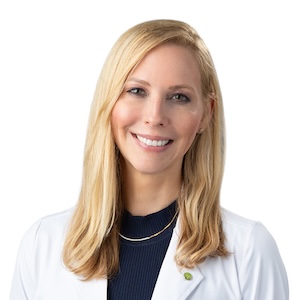
Parton’s decision to keep her cancer battle private highlights why some cancer patients choose not to disclose their diagnosis, says Kristin Higgins, M.D., chief clinical officer at City of Hope® Cancer Center Atlanta.
“I think it’s a very common scenario, especially for public figures to keep a cancer diagnosis private,” she says. She surmises Parton might have wished to be remembered for her legacy, career and impact.
But it’s not only celebrities and public figures who choose to keep a cancer diagnosis to themselves, at least at first, Higgins adds.
“Many times, a cancer diagnosis really changes someone’s identity, and they really want to hang onto that sense of who they are,” she says, noting patients may feel overwhelmed, making it even more difficult to share the news. “It’s something I see commonly in my patients, and many times we see patients who don’t want to disclose their diagnosis to even their family members.”
However, there are some benefits to eventually sharing a cancer diagnosis with loved ones and others who may help by offering support and rallying around the patient, she says.
To find out how cancer patients feel about Parton’s decision and get their take on the issue, City of Hope’s online community Cancer Fighters — which unites people who are fighting the disease — asked cancer patients: Have you shared your diagnosis with others and, if so, who have you chosen to tell about your own experience with cancer?
This article shares several of their key takeaways, including:
- Why patients may keep diagnoses private
- The pros and cons of sharing a cancer diagnosis
- How to break the news to family and friends
- What to say to someone with cancer
If you or a loved one is concerned about possible signs or symptoms of cancer and would like an initial consultation or a second opinion, call us 24/7 at 877-460-4673.
Why Patients May Keep Diagnoses Private
For someone newly diagnosed with cancer, the news may be overwhelming. Common concerns include how living with cancer may change a patient’s life and lifestyle, what treatment may involve, side effects and, of course, fears about death.
Some patients may not want to add to the mix the difficulty of how to disclose their cancer diagnosis to friends and loved ones, coworkers and community members.
As a result, Higgins says keeping a cancer diagnosis private at first is common for some patients, as they adjust to the new reality of having the disease and undergoing treatment. Some also may keep the news to themselves because of the impact sharing their diagnosis may have on loved ones.
“Many times, it’s because people don’t want to be a burden,” she says. “That’s difficult for us to see because as our patients are traversing their cancer journey they need all the help and resources and support they can get.”
But deciding how to share the news — and with whom — may help make the process less difficult.
“Having a support system is really important,” Higgins says. “We don’t want our patients going at this alone. I think it’s super important and I love to connect patients with others who are going through similar diagnoses and treatments, because that can be really therapeutic.”
One Cancer Fighters member says she initially didn’t disclose her cancer diagnosis and only decided to share the news when it became obvious to loved ones that she was receiving medical care. Once she opened up, however, she says the support she has received has been invaluable.
“When I was first diagnosed with cancer, I just kept it to myself,” she recalls. “Then family and my inner circle started asking how my appointment went and if my biopsy came back", so I told them. After it sank in that I actually had cancer, I started telling other friends.
"Most everyone I told knew someone who had cancer. I couldn’t believe how common cancer was. I received nothing but well wishes and hugs from everyone I told. As I look back, it was the beginning of my healing process.”
The Pros and Cons of Sharing a Cancer Diagnosis
For most patients, sharing a cancer diagnosis is a positive experience that may have surprising benefits, Higgins notes. Sharing how they’re feeling may help some patients make tough decisions about treatment and work through the challenges living with cancer inevitably brings. Connecting with others who are going through similar experiences is also reassuring.
“Having an emotional support system can help when you’re feeling overwhelmed with a cancer diagnosis,” she says. “You have somebody to talk to. You have somebody to run ideas by. Just having a family member in the room with you when you go to doctors’ appointments and having another set of ears can be really helpful to make sure you heard everything correctly.”
Reaching out may even lead to new information about treatments, medications and clinical trials of promising new therapies undergoing study, she adds.
“Nobody should have to navigate cancer alone and that’s why it’s helpful to share the diagnosis with your friends and your family,” she says.
Another Cancer Fighters member says she found the experience of sharing her journey with others “therapeutic” for herself but also allowed her to support others facing similar challenges.
“For my experience and situation, it’s important for me to share,” she says. “It allows others to know they have someone to come to for advice if they're ever going through a similar situation. I’ve also found it important to share especially with the females in my family for family history. Until now, I/they? really didn’t know my family's history.”
A fellow Cancer Fighters member agrees.
“My cancer was also not detected via self-exam, but they found something at my annual mammogram,” she says. “Since then, I tell all I can to make sure they get their yearly mammogram and do self-exams. I’ve had a couple of people ask me about my journey. I wish I had known someone to talk to. I know all diagnoses are not the same, but I hope I help someone.”
One Cancer Fighters member adds that other people who’ve shared their experiences have been a great resource that has helped her on her own journey.
“In the beginning I didn’t have a choice but to share because my prognosis was grim and a month-long hospital stay was impossible to hide,” she says. “But since then, sharing has become a choice I'm grateful to make. I don't share because I have all the answers. I share so someone else might feel a little less alone and unprepared than I did.”
How to Break the News to Family and Friends
Most people with cancer eventually decide to share the news with family and friends, but it’s important to decide how to disclose that personal information and to whom. The American Cancer Society offers several key guidelines to help patients tell others they have cancer, including those listed below.
Decide what to share: Start by deciding how much to share about the diagnosis, including details about the type and stage of cancer, treatment plans, possible side effects and how they might affect work and personal activities.
Prepare what to say: Practicing what you want to say ahead of time, or even writing it down, may help make the process less stressful and make sure the most important points are shared.
Identify whom to tell first: Make a list of whom to talk to first. It may include close family and friends, a mental health counselor or members of a community organization or faith group. Patients who work may also want to tell coworkers.
Consider a support group: Patients who aren’t comfortable talking about their cancer and feelings to even close family and friends may want to find a support group to help. City of Hope’s Cancer Fighters is a great place to start. The American Cancer Society partners with CaringBridge, an online resource offering a free tool that helps people with cancer stay in touch with their friends and family members.
What to Say to Someone With Cancer
Hearing that a friend or loved one has cancer may be overwhelming for some people. But it’s important to know how to respond appropriately to some who has made the difficult decision to share the news. According to Cancer Fighters members and the American Psychosocial Oncology Society, some of the most helpful things for friends or loved ones to say to someone with cancer include:
- I'm so sorry, I'm here for you.
- Thank you for telling me, I know that wasn't easy.
- I don't know what to say, but I care about you.
- Do you want to talk about it, or just be together now?
- You don't have to be brave or positive around me.
- I love you and I’m not going anywhere.
One key thing to keep in mind: The number of cancer survivors is rising, with the American Cancer Society’s latest annual report showing 7 in 10 Americans diagnosed with cancer in the United States now live five years or more after diagnosis. One thing driving up those rising survival statistics is clinical trials of experimental therapies that offer new treatment options for people with cancer.
“I would go so far as to say that’s the main reason the cancer survival number has grown as high as it has — drug discovery and drug development, and getting better medicines to patients,” Higgins says. “But it’s due to screening, too, and we’re getting better at screening, but we can still do a whole lot better.”
The value of clinical trials was evidently not lost on Parton, who discussed receiving experimental cancer drugs in the final weeks of her life — to help benefit other patients, according to her sister Stella Parton.
“My sister was one of the most generous, thoughtful and kind people I’ve ever known,” Stella wrote in a tribute to Dolly shared on Facebook. “What the world saw is exactly who she was, so much so, she told me recently that if there was no hope for her, she would still allow her medical team to try experimental drugs in the hope of helping others in the future.”
Higgins says she wasn’t surprised at Parton’s offer.
“She was a very kind-hearted, selfless person who was totally giving, so it very much fits with her character that she would be willing to participate in a clinical trial,” she says.
If you or a loved one is concerned about possible signs or symptoms of cancer and would like an initial consultation or a second opinion, call us 24/7 at 877-460-4673.