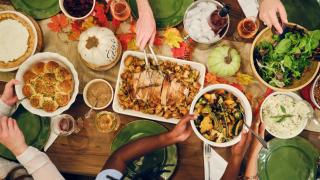
Thanksgiving means family gatherings, parties and indulging in traditional holiday foods, desserts and drinks. But for people with cancer — particularly those undergoing or recovering from chemotherapy, surgery or radiation therapy — the winter holidays may be a struggle because of side effects that often make it difficult to enjoy a traditional Thanksgiving meal or company potluck.
“With so many holiday celebrations centered around food, there’s an emotional stress for some patients, if they are having a hard time tolerating eating and they want to enjoy the holidays with their friends and family,” says Linda Hang, clinical dietitian at City of Hope® Cancer Center Duarte. “They may want to eat traditional holiday meals, but side effects and/or new nutrition goals might present challenges. Many holiday foods provide comfort, because they have been a part of our traditions since childhood. The good news is comfort foods like turkey and mashed potatoes are often tolerated and can be prepared in healthy ways.”
In addition, many traditional Thanksgiving foods are loaded with sugar, fat and salt that may not be tolerated or recommended for cancer patients, for whom healthy food choices are an essential part of treatment, recovery and survival. Studies have shown that eating well may support the immune system, in addition to helping reduce the risk for infection, maintain a healthy weight and feel better.
Now for the good news: Healthy alternatives to turkey and all the fixings are available to help cancer patients enjoy the season with family and friends, without triggering side effects or compromising their health.
According to Carolyn Lammersfeld, vice president of integrative oncology and clinical services at City of Hope Cancer Centers Atlanta, Chicago and Phoenix, says a little planning and preparation can go along way to enjoying seasonal meals and gatherings.
“Try to focus on nourishing your body with healthy foods, while balancing the comfort that may come from enjoying some of your holiday favorites with family and friends,” she says.
This article details tips on how to make healthier versions of Thanksgiving favorites for patients undergoing cancer treatment or in recovery. It also also incorporates comments from cancer patients from City of Hope’s online community Cancer Fighters — which unites people who are fighting the disease — and asked: How did you modify your holiday eating while undergoing chemo or other cancer treatments?
Topics include:
- Eating challenges during the holidays
- Healthy choices for people with cancer
- Small food swaps offer big rewards
- Managing treatment side effects
If you or a loved one is concerned about possible signs or symptoms of cancer and would like an initial appointment or a second opinion, call us 24/7 at (877) 460-4673.
Eating Challenges During the Holidays
For some cancer patients, holiday stress is compounded by challenges posed by side effects of treatment, such as nausea, low appetite, changes in taste or fatigue — all commonly experienced by people undergoing chemotherapy.
Travel, busy schedules, seasonal sadness or depression may also disrupt normal healthy eating patterns — making it tough to get the critical nutrients people living with cancer needs.
Three ways to help combat these challenges are listed below:
Strike a balance: Expect that holiday dining is an exception to usual dining rules and routines, so make healthy choices when possible, but also enjoy some favorite holiday foods guilt-free.
Try food swaps: Nausea and other stomach issues may make heavy holiday foods tough to tolerate during cancer treatment, so try to choose lighter versions of traditional dishes or smaller portions. Non-alcoholic mocktails made with sparkling water, fruit juices or muddled herbs are also festive, healthy alternatives to alcoholic beverages.
Work with a dietitian: Dining plans, cancer treatment and side effects vary from person to person, so working with a dietitian to devise a personalized optimal eating plan during the holidays may help navigate the season in a healthy way.
Healthy Choices for People With Cancer
Lammersfeld says it’s unrealistic for most people to eat a healthy diet all of the time, particularly around the holidays. Her advice: Follow the 80-20 rule — where 80% of the foods and beverages you consume are nutritious and 20% are a little more indulgent.
For one Cancer Fighters member, holiday eating is all about striking that balance between healthful, nutritious foods and her favorite comfort foods that are easily tolerated.
“Being sick through treatment over the holidays meant eating whatever I could tolerate at the time,” she says. “I found mild, bland food was the best, but tried to mix it up so I wouldn't get bored. For instance, I had leftover turkey and would add it to ready-made soup to get extra protein when all I could eat was chicken noodle soup and toast.
“Typically, there were a lot of choices in food around the holidays, but I couldn't tolerate much so I wasn't tempted or sad about it — I welcomed comfort food like mashed potatoes, rolls, and plain turkey.”
She also endorsed the idea of mocktails over cocktails. “I could not tolerate alcohol so I would do a sparkling flavored water with a sprig to feel fancy on good days.”
For some people with cancer, avoiding weight gain during treatment may be a goal. If this is the case, Lammersfeld also recommends the following strategies for patients concerned about maintaining a healthy weight.
Eat before you go. Try not to go to a dinner party hungry; eat a small, healthy serving of fruit or vegetable sticks beforehand. Add a little protein like a nut butter, hummus or yogurt.
Go for small, healthier portions. Don’t fill your dinner plate at Thanksgiving, but instead use a smaller salad plate and load up on plant-based, high-fiber or whole-grain foods.
Hydrate: Drink water, which helps contribute to feelings of fullness.
Socialize more: Talking and socializing may help cut down on unconscious snacking.
Small Food Swaps Offer Big Rewards
A few simple ingredient substitutions — swapping high-fat recipes for dips, bakery treats and cheeses with healthier alternatives — help provide nutritious versions of favorite foods.
For instance, using two egg whites in place of one egg in a recipe cuts fat and cholesterol without losing taste, while adding low-sodium, reduced-fat chicken broth in mashed potatoes add flavors without the fat contained in butter or cream.
For other ideas, check out the Recipes section within the Cancer Fighters community online.
For one Cancer Fighters member, the decision to choose healthy foods wasn’t easy around the holidays, but was manageable and the benefits were worth all the effort.
“I try to stay on the Mediterranean diet like the doctors told me,” he says. “I stayed away from stuffing, bread and other high-calorie carbs. It’s also about portion control. It’s hard but do-able.”
Managing Treatment Side Effects
Cancer patients experiencing treatment side effects may face particular challenges at Thanksgiving and holiday gatherings where food is the main event. A few simple strategies may help, such as bringing your own dish, eating smaller portions and focusing on social interactions instead of what’s on the dinner table. A dietitian may also help provide specific tips for certain individuals with particular issues.
For people undergoing chemotherapy, Lammersfeld offers the following tips for dealing with common side effects listed below.
Nausea: Choose blander foods (bread, potatoes, noodles, crackers, soups, vegetables) and soft, tender meats that are not heavily sauced or seasoned. Turkey is often well tolerated. Opt for olive or canola oil instead of butter or margarine. Bring ginger chews or teas that may help calm a queasy stomach.
Diarrhea: Choose foods with soluble fiber (barley, oats, rice, sweet potatoes, carrots or squash, unsweetened applesauce, ripe bananas, peaches and pears) which may help reduce how often you have to go to the bathroom. Remove skins from vegetables and fruits and cook vegetables well. Avoid caffeine, spicy foods and fatty, greasy or fried foods.
No appetite: Eat spreads and dips like hummus, nut butters and avocado or guacamole, which are easy while also being nutrient dense. Bring a favorite sauce and/or beverage to the party. For example, liquid meal replacements/protein drinks are convenient to bring along as a beverage.
Mouth sores: Avoid highly acidic foods like oranges, tomatoes, lemons or limes and spicy foods that may cause burning. Choose soft foods or soups, keep your mouth moist by drinking plenty of fluids, try sucking on frozen fruits like grapes, melon, peach slices or ice chips. Liquid meal replacements may work well here too.
If you or a loved one is concerned about possible signs or symptoms of cancer and would like an initial appointment or a second opinion, call us 24/7 at (877) 460-4673.