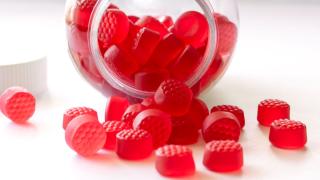
Brightly colored breakfast cereals, cherry-red candies and rainbow-hued birthday cakes may look like tasty treats. But some synthetic food dyes that give such foods their vibrancy have been under scrutiny for their possible health risks, and one — Allura Red AC, commonly known as Red Dye 40 or Red 40 — is particular concerning.
While the U.S. Food and Drug Administration (FDA) has deemed most synthetic dyes safe for consumption, the agency is phasing out the use of Red 40 this year, after studies suggested it may increase risks for developing allergies, attention deficit hyperactivity disorder (ADHD), DNA damage and colorectal cancer.
In light of these health concerns, Carolyn Lammersfeld, M.S., M.B.A., R.D., vice president of Integrative Services for City of Hope® Cancer Centers Atlanta, Chicago and Arizona, recommends avoiding foods containing Red 40.
“Given the safety questions regarding this artificial food coloring and the fact that it isn’t necessary for any nutritional or health reasons, it makes sense to remove it from our diets,” she says.
To understand what the latest research shows on synthetic food dyes, this article explores:
- Why is Red Dye 40 used in food?
- How is red dye made?
- Does Red 40 cause cancer and other health issues?
- Foods to avoid that may contain red dye 40
- Healthy alternatives to red dye
If you or a loved one is concerned about possible signs or symptoms of cancer and would like an initial consultation or a second opinion, call us 24/7 at 877-460-4673.
Why Is Red Dye 40 Used in Food?
The FDA has approved more than a half-dozen synthetic dyes, including Red 40, for use in candies, cereals, sports drinks, cakes and other baked goods. Most foods that contain Red 40 are ultra-processed fast foods, convenience foods and sweets.
For years, food scientists have noted that people who eat a lot of ultra-processed foods not only consume more synthetic food dyes, but also artificial preservatives, flavor enhancers and other synthetic ingredients linked to obesity and other health risks. In addition, people who consume high levels of such foods tend to eat fewer healthier whole foods — such as unprocessed meats, breads and baked goods that contain fewer synthetic ingredients.
Even so, some laboratory research, most involving animals and not humans, has singled out Red 40 as a particular risk factor for certain health conditions, including some forms of colorectal cancer that have been rising in recent decades as the commercial use of the synthetic food dye has also risen.
As a result, experts say, more research is needed to determine if increased cancer risk is due to exposure to artificial food colorings like Red 40 alone or to overall diet quality or other factors.
Jayla Thurman, R.D., L.D., a clinical oncology dietitian at City of Hope Cancer Center Atlanta, notes that studies have not conclusively proven that Red 40 poses a significant cancer risk but recommends limiting processed foods containing synthetic additives.
“For most adults, occasional consumption isn’t considered a major health concern,” she says. “There’s no established positive link between Red 40 and cancer in humans. My recommendation is to limit ultra-processed foods overall rather than limiting the dye itself. They provide less nutritional benefit than whole foods and often have more added stabilizers and preservatives. Overall, everyone should be aiming to eat more minimally processed foods and treating bright colored candy, cereal and drinks as occasional foods.”
Lammersfeld adds: “Achieving and maintaining a healthy body weight with a Mediterranean type diet/plant-based/plant-forward diet and physical activity, limiting or avoiding alcohol, processed foods, and added sugars is the direction that evidence supports for addressing cancer risk.”
How is Red Dye Made?
Like other artificial dyes, Red 40 is derived from petroleum, a naturally occurring fossil fuel that contains compounds that have been linked to cancer. For instance, petroleum contains p-Cresidine, a suspected carcinogen, and trace amounts of cancer-causing benzene, that may be created as a byproduct of the process of making Red 40. Some studies say the small amount of benzene in the dye doesn’t pose a risk, but health experts say more research is needed to confirm this.
To make Red dye 40, producers use a chemical process that starts with crude oil, the raw, unrefined oil found underground in nature. Crude oil is processed and refined to produce a wide variety of products, including gasoline and jet fuel. But Red 40 is manufactured through a process that combines two chemical compounds extracted from petroleum byproducts (called azo coupling). The resulting cherry-red dye dissolves easily in water, which is why it shows up in everything from sports drinks to cakes and candies.
Does Red 40 Cause Cancer and Other Health Issues?
Although Red 40 remains on the market in the United States, it’s been targeted for removal by the FDA after numerous studies suggested the food dye may cause a variety of potential health conditions.
For instance, a recent review of 24 studies linked artificial food colorings to a small but statistically significant increase in hyperactivity symptoms and lowered intelligence scores in children. One researcher estimated the impact at roughly a three-point drop in IQ, and such effects were not limited to children diagnosed with ADHD.
Researchers at the University of South Carolina have also noted the rise in colorectal cancer among young people over the past four decades has paralleled increased consumption of ultra-processed foods, including synthetic food dyes like Red 40.
“The increase in the use of synthetic food colors in such foods over the past 40 years, including the common synthetic food dye (Red 40), coincides with the rise of early-onset colorectal cancer (EOCRC),” they said. “As these ultra-processed foods are particularly appealing to children, there’s a growing concern about the impact of synthetic food dyes on the development of EOCRC.”
In studies of mice, researchers have found Red 40 causes DNA damage and, when consumed as part of a high-fat diet, leads to changes in the microbiome (the balance of healthy and harmful microbes in the gut) and low-grade inflammation of the colon — all of which may raise the risks for developing EOCRC. Other lab studies have suggested that consuming high doses of food dyes is associated with tumor growth.
As a result of these health concerns, Red 40 has been banned in some countries and states, and the FDA has begun to phase out its use. In 2025, the FDA announced that it will require food manufacturers to stop using several synthetic dyes, including Red 40, by the end of 2026. The FDA is also outlawing the use of another red dye — FD&C Red No. 3 — in food and drinks by 2027 and from medications by 2028 because of research linking it to cancer in laboratory studies involving rats.
Foods to Avoid That May Contain Red Dye 40
While Red 40 remains on the market, you can avoid it by not consuming packaged, processed foods listing it on ingredients labels, where ’'s sometimes identified as Red 40, Red 40 lake, FD&C Red 40 and FD&C Red 40 aluminum lake.
Foods that commonly include R40 include:
- Candy and gum
- Cakes and frosting
- Cereals
- Sodas, sports and energy drinks
- Chips and salty snacks
- Gelatins and puddings
- Ice cream and popsicles
- Pastries
- Protein powders
- Yogurt
- Children’s medications (cough syrups, chewable tablets)
It’s important to note that on food labels, ingredients are listed by weight, so something listing R40 last on the list has less of it than one listing it second or third.
Healthy Alternatives to Red Dye
Food safety experts add that concerns about synthetic dyes have led to more widespread use of natural coloring alternatives to red dye in processed foods. They include:
- Beet juice and powder
- Fruit juices, such as cherry, blueberry, strawberry, cranberry and pomegranate
- Beta-carotene
- Dried hibiscus flowers
“Choose foods with natural colorings, for example beet powder or juice,” says Lammersfeld. “Also, consume more red foods that add necessary vitamins, minerals and fiber to your diet. For example, tomatoes, berries, red bell peppers and red kidney beans. Eat at home more often, read labels or, better yet, try to reduce consumption of foods with labels and consume more vegetables, fruits, lean proteins and whole grains.”
When it comes to reducing cancer risks from dietary sources, Thurman recommends avoiding or limiting ultra-processed foods in general and instead choosing whole foods that have been shown to boost overall health and may help prevent colorectal cancer.
“For cancer prevention, focus on a predominantly plant-forward diet rich in vegetables, fruits, whole grains, beans and other minimally processed foods, while maintaining a healthy body weight,” she says. “Limit processed and red meats, alcohol, sugar-sweetened beverages and highly processed foods, and prioritize variety and overall dietary quality rather than focusing on individual foods or ingredients.”
Lammersfeld adds that it’s also a good idea to talk with your doctor about any dietary changes you plan to make.
“Always remember to discuss any changes you may be thinking of making to your diet and activity with your healthcare team,” she says. “General, population health guidelines may not always apply to individuals at risk of, being treated for or survivors of cancer. City of Hope’s patient-centered approach recognizes this and has several providers available to address supportive care/integrative/lifestyle needs on the cancer continuum.”
If you or a loved one is concerned about possible signs or symptoms of cancer and would like an initial consultation or a second opinion, call us 24/7 at 877-460-4673.