
A breast lump may be the best-known warning sign of breast cancer, but it isn’t the only one. Changes in the skin or nipple, swelling, discharge, or changes in the size or shape of a breast can also be warning signs, making breast awareness especially important for younger women who haven’t yet begun routine mammograms, which are generally recommended starting at age 40.
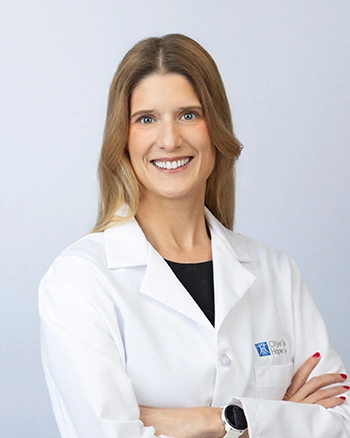
“It’s really about knowing what’s normal for your breasts and paying attention when something changes,” says Katarina Vasiljevic, M.D., medical oncologist specializing in breast cancer at City of Hope Orange County and an assistant clinical professor of medical oncology and therapeutics research at City of Hope. “Most breast changes aren’t cancer, but getting checked when something doesn’t seem right can provide reassurance or, if something is wrong, play a key role in early detection.”
What should women know about breast lumps and other possible warning signs? When does a change warrant a call to the doctor? Here are four things to know.
What does a potentially concerning breast lump feel like?
Any new breast or underarm lump that doesn’t feel normal for you should be checked. A breast cancer lump may be hard, firm or irregular, but it can also be soft, round or tender. You can’t reliably determine whether a lump is cancerous based on how it feels.
Most breast lumps are benign. Cysts and other noncancerous breast changes are common. Still, a new, persistent or unexplained lump shouldn’t be self-diagnosed.
A lump or swelling in the armpit can sometimes be an enlarged lymph node. Lymph nodes in the underarm receive lymphatic fluid from the breast, and breast cancer can sometimes cause swelling there even before a breast lump is noticeable. Infections and other benign conditions frequently cause swollen lymph nodes, but one that doesn’t go away or has no clear explanation should be evaluated.
What other breast changes should women watch for?
Watch for new dimpling, puckering or thickening of the breast skin, including skin that develops an orange-peel-like appearance. A new rash, scaliness or other lasting change to the skin is also worth having checked.
Nipple changes can take several forms. A nipple that suddenly turns inward, becomes flattened, changes position or develops persistent crusting, scaling, redness or irritation should be checked. Some people naturally have flat or inverted nipples. What matters is whether something has changed from what is normal for you.
Nipple discharge has many possible causes and is often not cancer. It can be more concerning when it occurs without squeezing the nipple, comes from only one breast, is bloody or clear, or occurs when you aren’t pregnant or breastfeeding.
New redness, warmth, swelling or enlargement of part or all of the breast should also be checked, particularly when it develops rapidly or doesn’t go away. These symptoms can have other causes, including infection, but they can also occur with inflammatory breast cancer.
Do women need to perform monthly breast self-exams?
There isn’t a medically recommended day of the month or schedule for breast self-exams for women at average risk. Instead, women should become familiar with how their breasts normally look and feel.
You may notice a change while showering, dressing or simply going about your day. There is no need to perform a “perfect” exam. If something looks or feels different, talk with your doctor.
Breast awareness doesn’t replace recommended mammograms or other screening. Women with certain risk factors, including a strong family history or an inherited genetic mutation, may need to begin screening earlier than age 40. Talk with your healthcare provider about your individual risk and the screening schedule that is right for you.
When should you call your doctor?
You don’t need to determine whether a breast change could be cancer before making an appointment. If you notice a new lump or another unexplained change that is unusual for you, contact your healthcare provider rather than waiting weeks to see what happens.
Changes that develop quickly, including significant redness, swelling, skin changes or bloody nipple discharge, warrant prompt evaluation. Persistent pain focused in one area should also be discussed with your doctor, particularly if it is new, doesn’t follow your usual menstrual pattern or occurs with another breast change.
It’s also important to know that early breast cancer may cause no noticeable symptoms. That’s why paying attention to changes and keeping up with recommended screenings both matter.
City of Hope Orange County offers convenient access to mammograms, among the most effective tests for detecting breast cancer early, when it is most treatable. Take time for a routine screening today. Doing so can change the course of your future and protect the moments that matter most.
To schedule a mammogram at City of Hope Orange County, call 949-671-4100.
Ending cancer starts with Hope. | CityofHope.org/OC
After Breast Cancer, She’s Charting New Waters — in a Dragon Boat
Talking Hope: My story of Hope and possible impossibles: Meet breast cancer survivor Kommah McDowell
5 reasons why breast cancer screenings are crucial to women’s health