
Different types of prostate cancer can behave very differently, but advances in research and treatment are giving doctors more information to help determine the right approach for each patient.
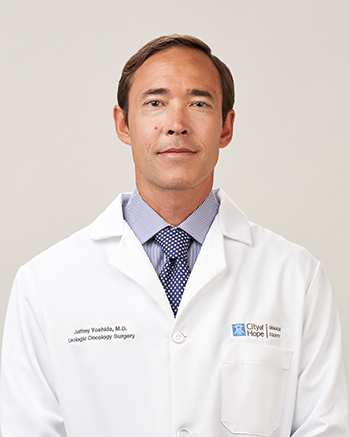
“There is more reason for hope today than ever before for patients with prostate cancer,” says Jeffrey Yoshida, M.D., Medical Director of Urologic Surgery, City of Hope Orange County and Clinical Professor, Division of Urology and Urologic Oncology, Department of Surgery, City of Hope. “For many patients, a prostate cancer diagnosis today can look very different than it did even a few years ago. Prostate cancer found early is highly treatable, and even for patients with more advanced disease, newer therapies are expanding treatment options and helping many patients live longer.”
Here’s what men should know about:
- What an elevated PSA can and cannot tell you
- Why prostate cancers do not all behave the same way
- How treatment can be tailored to the individual
- When active surveillance may be an option
- Why knowing your risk and discussing screening matter
An Elevated PSA Is Not a Cancer Diagnosis
An elevated prostate-specific antigen (PSA) level can be concerning, but it does not necessarily mean prostate cancer is present. PSA can rise for other reasons, including an enlarged prostate or inflammation.
Dr. Yoshida considers an elevated PSA a reason to gather more information rather than a diagnosis on its own. The next step may be another PSA test or additional blood or urine tests, an MRI or, when appropriate, a biopsy. Looking at this information together can provide a much clearer picture than relying on a single PSA result.
Prostate Cancer Does Not Behave the Same Way in Everyone
Another important thing to understand is that prostate cancers vary widely. Some grow slowly and may never pose a serious threat to a man’s health. Others can be more aggressive and require treatment. Determining the characteristics of an individual cancer helps doctors recommend an approach that matches its potential risk.
Early prostate cancer also frequently develops without noticeable symptoms. Difficulty urinating, blood in the urine or semen, or persistent pain in the back, hips or pelvis should be evaluated, but these symptoms can have other causes. Feeling well, Dr. Yoshida notes, is not a reliable way to know whether prostate cancer is present.
Treatment Is Becoming More Personalized
There is no single treatment plan that is right for every person with prostate cancer. Doctors consider the cancer’s stage and aggressiveness along with a patient’s age, overall health and priorities when recommending care.
City of Hope Orange County is a leader in innovative approaches to prostate cancer, offering access to the gold standard of prostate cancer testing — targeted, transperineal biopsy — and breakthrough prostate cancer treatments including immunotherapy, high-precision radiation therapy and a wide variety of leading-edge clinical trials.
For many patients with prostate and other cancers, minimally invasive robotic surgery is an outstanding option, offering fewer side effects and quicker recovery. Nationally recognized for his expertise and exceptional patient care, Dr. Yoshida has performed nearly 4,000 robotic surgical procedures on the state-of-the-art da Vinci robotic system for patients with prostate cancer who require surgical intervention. City of Hope is at the forefront of these procedures and has performed more robotic surgeries for prostate and other urologic cancers than any other hospital in the western United States.
In Some Cases, Active Surveillance is an Option
A prostate cancer diagnosis does not always mean treatment needs to begin immediately. For some men with slow-growing or lower-risk disease, active surveillance can allow doctors to closely monitor the cancer rather than treating it right away.
The key word is "active." Patients receive regular testing and follow-up so changes can be identified and treatment started if it becomes necessary.
When appropriate, surveillance may help postpone or avoid side effects associated with treatment while still keeping a close watch on the cancer. The decision depends on the characteristics of the cancer and the individual patient and should be made in consultation with the physician and the care team.
Know Your Risk and Start the Conversation
The risk of prostate cancer increases with age. Family history can also raise risk, and Black men have a higher risk of developing the disease.
Because prostate cancer may be present without symptoms, don’t wait until something feels wrong to ask about screening. Instead, talk with your health care provider about your individual risk and the potential benefits and limitations of PSA testing.
For men navigating a prostate cancer diagnosis, open communication is even more essential. “I encourage men not to be embarrassed to ask how prostate cancer treatment could affect urinary control, sexual function or quality of life,” says Dr. Yoshida. “These are important concerns that can be addressed, and they should be part of the doctor-patient conversation. Together, we will move forward with the plan that is right for you.”
Ending cancer starts with Hope. To make an appointment at any of City of Hope’s Orange County locations, call 888-333-HOPE (4673).
Prostate cancer journey strengthens Orange County priest’s ministry
Talking Hope: What men and their families need to know about prostate cancer