Glioblastoma is one of the most aggressive and devastating forms of brain cancer. It grows rapidly, infiltrates healthy brain tissue, and resists conventional treatments such as surgery, radiation and chemotherapy. Most patients survive only 12 to 24 months after diagnosis, and fewer than 10% live beyond five years. The need for new therapies is urgent.
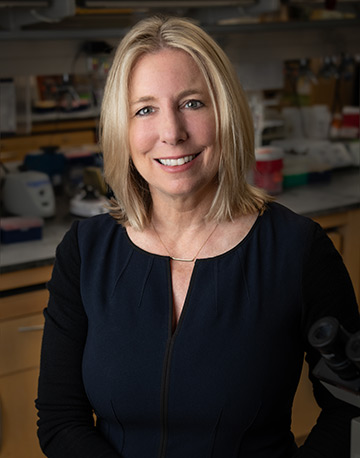
PHASE ONE Foundation has awarded a $300,000 medical grant to support a pioneering clinical trial led by Christine Brown, Ph.D., deputy director, T Cell Therapeutics Research Laboratory and Heritage Provider Network Professor in Immunotheapy at City of Hope. This study aims to transform the outlook for patients facing this relentless disease.
A New Approach: CAR T Cell Therapy
The trial focuses on CAR T cell therapy — an innovative treatment that reprograms a patient’s own immune cells to recognize and attack cancer. While CAR T therapy has revolutionized care for certain blood cancers, applying it to solid tumors like glioblastoma is far more complex. Glioblastoma creates a hostile environment that suppresses immune responses and helps the tumor evade attack.
One of the main culprits is a signaling molecule called TGFβ, transforming growth factor beta, which acts like an “off switch” for immune cells. This trial breaks new ground by engineering CAR T cells to resist that signal.
Building on Promising Results
In prior early-phase clinical work, Dr. Brown’s team tested CAR T cells targeting IL13Rα2, a protein commonly found on glioblastoma cells but largely absent from normal brain tissue. Those trials showed that IL13Rα2-directed CAR T cells could be delivered safely to the brain and, in some cases, led to dramatic tumor regressions. One patient has remained in complete remission for six years without additional therapy. Still, many patients experienced recurrence, highlighting the need for more durable treatments.
The Next Generation of CAR T Cells
With PHASE ONE’s support, City of Hope researchers will use advanced gene-editing technology (CRISPR-Cas9) to create CAR T cells that not only target IL13Rα2 but also ignore TGFβ’s suppressive signal. By knocking out the gene for the TGFβ receptor, these modified cells are designed to stay active in the brain’s hostile environment.
Patients whose tumors express IL13Rα2 will undergo a standard procedure to collect white blood cells. In the lab, these cells will be activated, equipped with the CAR targeting IL13Rα2, and gene-edited to remove the TGFβ receptor. After expansion under rigorous conditions, the cells will be delivered directly into the brain through specialized catheters placed during surgery — a precision approach that bypasses barriers to systemic therapy.
Hope in Action
This Phase I trial will evaluate safety, dosing and feasibility, while monitoring early signs of benefit such as tumor response and survival at three, six and nine months.
“Our team is incredibly grateful for PHASE ONE’s vision and partnership, allowing us to bring this first-in-human, gene-edited CAR T cell therapy to patients with otherwise incurable brain tumors,” said Brown. “By engineering CAR T cells to both eliminate tumor cells and resist the hostile immunosuppressive environment, we hope this new approach will lead to improved outcomes for patients.”
Adam Braun, M.D., PHASE ONE Medical Advisory Board member, added: “Dr. Brown’s research strives to bring CAR T immunotherapy to glioblastoma, with the promise of prolonging life and eradicating cancer with the most leading-edge biotechnology. This is exactly the sort of research that is only possible with grants like those from PHASE ONE.”
Why Philanthropy Matters
This collaboration reflects PHASE ONE’s mission: to fund early, high-impact cancer research that can move quickly from concept to clinic. For patients with recurrent glioblastoma, time is precious. Philanthropic support makes it possible to turn bold ideas into real hope — not in the distant future, but in the next wave of care.