Cancer affects patients and communities nationwide — and the need for advanced, life-extending therapies is growing.
As one of the largest cancer research and treatment organizations in the United States, City of Hope is leveraging its size, expertise and entrepreneurial ethos to help more patients gain access to lifesaving screenings, diagnoses and therapies. Philanthropic support helps make it possible.
Faster, Expanded Enrollment in a Nationwide Clinical Trials Network
As a trailblazer in cancer care, City of Hope recently launched a transformative national clinical trials model that will accelerate cancer research and expand access to emerging treatments for more patients, regardless of geography. This centralized model allows City of Hope to open clinical trials simultaneously across multiple states, streamlining operations, reducing enrollment times, and increasing access to cutting-edge therapies.
“Our North Star is to offer all our patients, regardless of where they live, the opportunity to participate in clinical trials, which provide them with promising new treatment options long before they become the standard of care,” said Edward S. Kim, M.D., M.B.A., FACP, FASCO, vice physician-in-chief, City of Hope National Medical Center and system director, Clinical Trials. “Whether a trial is sponsored by the NIH, a pharmaceutical partner, or developed at City of Hope, our unified system ensures patients in underserved communities can participate in trials that were once out of reach.”
Learn more about the model and its impact on patients.
Provider Partnerships Strengthen Care in Georgia, Illinois and Arizona
Provider partnerships in Atlanta, Chicago, Los Angeles and Phoenix bring life-extending services and treatments to underserved communities.
- Rural communities often face significant barriers in accessing care. In rural West Central Georgia, City of Hope Cancer Center Atlanta has partnered with Upson Regional Medical Center (URMC) to give patients access to comprehensive cancer care closer to home. The affiliation with URMC is City of Hope Cancer Center Atlanta’s third rural partnership in the state.
- In a first-of-its-kind collaboration in Illinois, City of Hope has partnered with Humboldt Park Health to deliver preventive screening and multidisciplinary oncology care to underserved communities on Chicago’s West Side. Humboldt Park Health is a designated safety-net hospital, providing care to all individuals regardless of insurance status or ability to pay. This collaboration represents a significant step to ensure that every patient — no matter their circumstances — can receive high-quality, compassionate care.
- In Arizona, a care alliance with Northern Arizona Healthcare (NAH) was created to give patients diagnosed with complex and rare cancers better access to highly specialized expertise. Through provider consultations and telehealth, NAH patients can benefit from the experts at City of Hope Cancer Center Phoenix without having to leave the care of their physician or travel hours for most appointments.
Lifesaving Screenings Go on the Road in Los Angeles
A mobile mammography clinic has been traveling to Los Angeles workplaces, making access to breast cancer screening possible with limited or no time away from work. Another recent partnership with University of California, Los Angeles, extends free mammography services to unhoused female residents at Union Rescue Mission in the Skid Row neighborhood, removing barriers to care and providing needed follow-up.
Watch the segment featuring our mobile clinic on CBS News Los Angeles.
An Atlanta Firefighters Shows Us Why Access Matters
Outcomes are better when patients have access to experts in their specific cancer type. Calvin “Otis” Hitchcock, a firefighter who came to City of Hope Cancer Center Atlanta for a second opinion, knows this fact well.
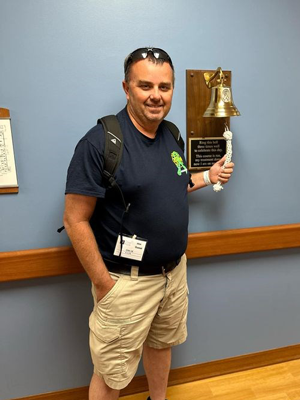
Hitchcock endured a year of incorrect treatment after being misdiagnosed elsewhere. The treatments were so debilitating that he was forced to step away from his fire service. When he finally came to City of Hope, he found a specialized care team that accurately diagnosed his lymphoma and gave him a personalized treatment plan. He was also in the care of one of the nation’s leading blood cancer experts, Leslie L. Popplewell, M.D., chief of hematology at City of Hope Cancer Center Atlanta.
“Not only did City of Hope have the expertise to give me the right diagnosis, but for the first time, I felt really listened to,” Hitchcock says. “They didn’t just treat my cancer — they treated me like a person first.”
Hitchcock is now thriving and advocating for fellow first responders to get screened and advocate for their health.
The Impact of Philanthropic Support
City of Hope’s growth means we have an opportunity — and an obligation — to ensure everyone has access to the lifesaving care they need. Philanthropy remains the catalyst to it all: accelerating discoveries, expanding access, and bringing lifesaving innovations to more communities across the country.