The American Cancer Society’s latest annual report brings great news: Cancer survival rates have hit an all-time high.
For the first time in U.S. history, the five‑year survival rate for all cancers combined has reached 70% — up from 50% in the 1970s. Survivability is even increasing for some of the most fatal cancers: lung cancer, colorectal cancer, and myeloma. That is something we can all celebrate!
So, what’s behind this progress? Major advances in research and early detection are big reasons why people are living longer, fuller lives. These days, artificial intelligence (AI) and genomics are giving doctors powerful new tools to find and defeat all types of cancer, even in their earliest stages.
For individuals like Elizabeth Sowers, these innovations are nothing short of lifesaving. Both Elizabeth’s parents passed away after enduring difficult cancer journeys, and her sister received a breast cancer diagnosis soon after. Genetic screening revealed that the family carried a deadly mutation in the CDH1 gene that put Elizabeth at extremely high risk of cancer, too. The information was scary, but empowering. With City of Hope’s expertise, Elizabeth is taking bold, proactive steps to rewrite her fate.
City of Hope’s Translational Genomics Research Institute (TGen) is also making progress in identifying early warning signs for pancreatic cancer. By analyzing blood samples, researchers recently uncovered a potential new biomarker for this notoriously deadly disease. This discovery could lead to earlier treatment interventions and better monitoring.
City of Hope is also at the forefront of using AI to predict, detect, and monitor cancer. AI can process huge amounts of data — like DNA, population statistics, and medical images — to find hidden patterns in how cancer develops. For example, this technology is helping scientists understand changes in gene expression when cells become cancerous, which could lead to even earlier detection.
Despite these advances, we have more work to do. Early detection and prevention efforts are often underfunded. It can take years for scientific breakthroughs to become widely available treatments. Some young people get cancer before they qualify for screenings, and underserved communities continue to bear the brunt of cancer’s impact.
Every day, City of Hope is working to change this reality — through research, our national clinical trials network, our expanded national presence, mobile screening units, and strong partnerships with the local communities we serve. Philanthropy makes it possible.
The generosity of our supporters accelerates innovation, expands access, and ensures that advances in cancer care continue. You’ve helped us create this exciting new era of cancer detection and treatment. And with your continued support, every patient will have a greater chance to thrive.
In gratitude,

Kristin J. Bertell
Chief Philanthropy Officer
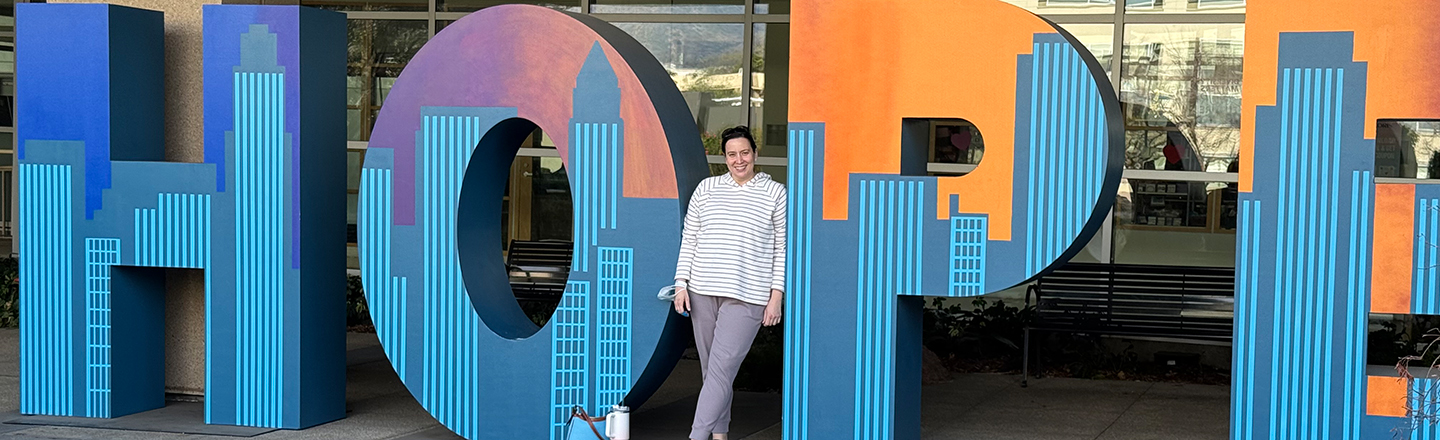
"I was so afraid. Doctors at City of Hope changed that, with their steady focus, their assuredness, and their scientific maturity."
– Elizabeth Sowers, City of Hope patient