Have you ever told someone to “trust your gut”? Today, science is proving just how powerful that advice can be.
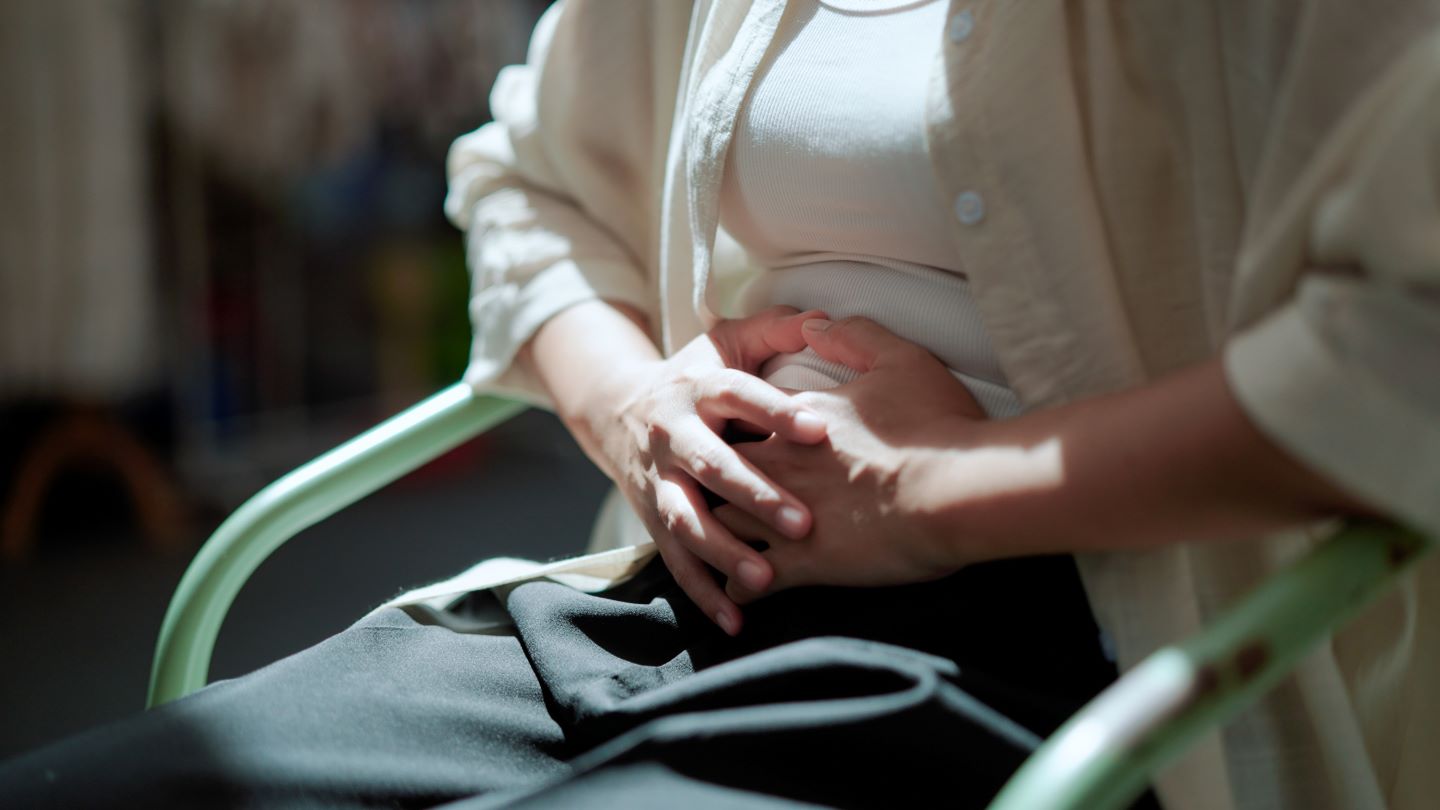
Inside each of us lives a complex community of bacteria, fungi and viruses known as the gut microbiome. These microbes play a powerful role in human health — and scientists are now uncovering how they may influence cancer risk, treatment response and recovery.
Over the past two decades, advances in genomic technology have allowed researchers to sequence microbial DNA with the same precision used for human DNA. This breakthrough has opened a new frontier in cancer research, revealing links between the microbiome and how cancer develops and responds to therapy.
One striking example is colorectal cancer. Researchers have identified specific gut bacteria and viruses that may be associated with higher risk, particularly among younger adults. This work is especially urgent, as colorectal cancer remains a leading cause of cancer deaths in Americans under 50.
City of Hope® patient Amber Mike knows how easily warning signs can be missed. Diagnosed with Stage 3 colorectal cancer at age 48, she nearly overlooked her symptoms while managing a demanding career. Now in remission, she is using her experience to encourage others to listen to their bodies and follow recommended screening guidelines. See more about Amber’s road to recovery and her incredible volunteer leadership with City of Hope’s Music, Film & Entertainment Industry.
The microbiome’s impact extends beyond cancer risk. Our gut bacteria can also influence how cancer treatments work. Plus, a healthy microbiome can guard against cancer treatment side effects like diarrhea or complications like graft-versus-host (GVHD) disease.
Researchers like Natalie Smith, an early-career scientist at City of Hope, are helping move this field forward. In fact, Smith earned recognition from the American Society of Hematology for her “diet database” that examined the effect of dietary fiber on bone marrow transplant outcomes. Her passion for the field is deeply personal — she is a childhood leukemia survivor who underwent a transplant at just eight years old.
I am grateful that we have so many motivated minds pushing the boundaries of cancer research and care. City of Hope is one of very few cancer centers with a dedicated microbiome research program. Moving forward, philanthropic support will play a key role in advancing innovative studies, developing new technologies and recruiting top scientists to City of Hope.
As the Director of the City of Hope Microbiome Program, Robert Jenq, M.D., said in a conversation with our team, “City of Hope is really a special place. There's this fearlessness about the folks doing research here (…) It’s really unique, and philanthropy is perhaps the biggest reason why that’s possible.”
As always, our supporters are right beside us in every discovery and every cure. We would not be the world-leading cancer organization we are today without you.
In honor of Colorectal Cancer Awareness Month, please remember to get screened, and listen to your gut!
Warmly,

Kristin J. Bertell
Chief Philanthropy Officer
"City of Hope is really a special place. There's this fearlessness about the folks doing research here (…) It’s really unique, and philanthropy is perhaps the biggest reason why that’s possible."
– Robert Jenq, M.D.
director of the City of Hope Microbiome Program