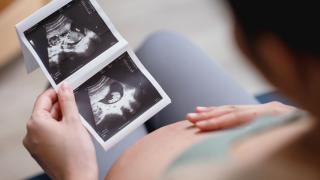
Thousands of pregnant women are diagnosed with cancer each year in the United States. While pregnancy presents unique challenges, many treatments are safe for mother and child, while some may pose risks. As a result, treatment options and timing need to be tailored to a particular patient’s case.

Josh Cohen, M.D., F.A.C.O.G, F.A.C.S., a gynecologic oncologist and medical director of the Gynecologic Cancer Program at City of Hope® Orange County Lennar Foundation Cancer Center, notes that pregnancy may complicate cancer diagnosis and treatment and advises women to meet with their doctors to discuss cancer screening options, even before becoming pregnant.
“If someone is considering pregnancy, I would recommend that she see her primary care doctor and obstetrician/gynecologist for general healthcare screening before getting pregnant, if possible,” says Dr. Cohen, an associate clinical professor in the Division of Gynecologic Oncology, Department of Surgery at City of Hope. “I would also recommend a prenatal vitamin. If someone undergoes standard screening which includes mammograms and Pap smears as indicated and potentially a colonoscopy, the most common cancers identified during pregnancy may be found prior to pregnancy. This would prevent a situation where someone is having to be treated for cancer while pregnant.”
This article explores what women need to know about cancer diagnosis before, during and after pregnancy, covering the basics on:
- How often is cancer diagnosed during pregnancy?
- Do diagnostic tests pose risks to mother and child?
- What types of cancer are most common in pregnant women?
- Risks of certain cancer treatments in pregnancy
- Does pregnancy affect cancer survival rates?
- Coping with cancer during pregnancy
If you or a loved one is concerned about possible signs or symptoms of cancer and would like an initial appointment or a second opinion, call us 24/7 at 877-460-4673.
How Often is Cancer Diagnosed During Pregnancy?
For many of the thousands of women who develop cancer during pregnancy each year, diagnosis may be challenging because the disease is harder to find and detect. In part, this is because some signs and symptoms of cancer may be missed or mistakenly believed to be caused by the pregnancy or another health problem.
For instance:
- A pregnant woman’s breasts may become larger, lumpy and tender due to changes in hormone levels during pregnancy (making it more difficult for patients and their doctors to notice a new lump until it gets quite large).
- Rectal bleeding may also result from harmless hemorrhoids, common during pregnancy, but are also a possible a sign of colon or rectal cancer.
- Chronic fatigue is common during pregnancy due to hormonal changes and weight gain, but may also result from low red blood cell (RBC) count (anemia), which might also be a sign of a blood cancer such as leukemia or lymphoma.
- Ovarian tumors may be easier to miss in pregnancy, because the growth of the fetus and the uterus make them harder to detect.
These are just a few of the reasons that when cancer develops during a pregnancy, it’s sometimes diagnosed at a more advanced stage than it would be otherwise, making it more difficult to treat.
That’s why pregnant women who notice a new lump, unusual pain or any other biological changes to tell their doctor or nurse right away, so anything suspicious may be checked out as soon as possible.
Do Diagnostic Tests Pose Risks to Mother and Child?
Some imaging tests, such as mammograms, X-rays, ultrasound, biopsies, MRIs and CT scans are generally safe during pregnancy. But some may require special precautions — such as shielding of a woman’s belly — to reduce potential risks to the developing fetus.
Certain diagnostic tests — such as bone scans, thyroid scans and PET scans — may not be recommended during pregnancy (or during certain weeks or months during pregnancy) to reduce cancer risks.
It’s critical for pregnant women to weigh the pros and cons of diagnostic tests with an experienced oncologist, Dr. Cohen notes.
“Pregnancy complicates cancer diagnoses because there are two patients which need to be considered in the treatment plan,” he says. “Sometimes the best treatment for the cancer may not be the safest treatment for the baby. There are many factors that must be considered including the gestational age of the baby, if the pregnancy is desired and what treatment options can be offered that would allow both the mom and the baby to be safe.”
What Types of Cancer Are Most Common in Pregnant Women?
The types of cancer most commonly diagnosed in pregnant women include:
Risks of Certain Cancer Treatments in Pregnancy
Cancer treatment during pregnancy — surgery, chemotherapy, radiation therapy and other types of care — are generally safe, although the types of treatment and the timing of treatment might be affected by the pregnancy.
But certain cancer treatments may cause increase the risks for birth defects in the developing fetus or lead to spontaneous abortion or preterm labor.
This is where a trained oncologist comes in: Helping to weigh the benefits of treatment to the patient and risks to her unborn child. The most common treatments (including benefits and risks), include those listed below.
Surgery: It is generally safe to undergo surgery for cancer, but this approach may need to be limited to certain times of a pregnancy.
Chemotherapy: Studies show that chemo has limited side effects for the fetus if given in the second or third trimester of pregnancy. However, it generally isn’t given during the first trimester.
Radiation therapy: This treatment is generally not administered to the abdominal or pelvic area during pregnancy because it may harm the fetus. However, radiation to other parts of the body (for example, the neck) may be an option, when shielding of the belly is used to protect the fetus.
Other cancer treatments: Hormone therapy and targeted drug therapy may be more likely to harm the fetus and are not usually given during pregnancy. Study findings are mixed on the risks posed by immunotherapy to the fetus, so more research is needed.
Dr. Cohen stresses that women who develop cancer during pregnancy be given individualized patient-centered care that takes a woman’s individual case, needs and goals into account — by a team of specialists.
“Depending on the cancer type, this requires a multidisciplinary team of doctors including maternal-fetal medicine doctors, cancer specialists, neonatologists and obstetricians,” he says. “It is important to seek care at a medical center that has the services for a patient. The most important thing to consider are the wishes of the patient, who is both thinking about her health as well as her baby's health.”
Other factors to consider are the gestational age of the fetus and whether the tumor has spread beyond its original location, Dr. Cohen adds.
“Depending on the stage of pregnancy, certain cancer therapies may or may not be safe for the developing fetus,” he notes. “The first trimester, when organ formation (organogenesis) occurs, is the most challenging time to treat cancer. During this period, many medications can interfere with fetal development, so extreme caution is required. In the second and third trimesters (after organogenesis is complete), more treatment options become available because the risk of structural developmental abnormalities is lower. However, some therapies may still pose risks and could necessitate modifications in management, including consideration of earlier delivery.”
Certain cancers also present unique challenges, Dr. Cohen explains. For example, locally advanced cervical cancer is typically treated with a combination of radiation therapy and chemotherapy. Radiation therapy is not recommended during pregnancy.
“In such cases, a multidisciplinary team is essential to guide decision-making,” he says. “This team must weigh the risks and benefits of early delivery versus delaying definitive treatment, while considering whether there are safe interim options to manage the cancer until the pregnancy reaches a stage where delivery can occur more safely for the baby.”
Does Pregnancy Affect Cancer Survival Rates?
Because pregnancy may make it harder to find, diagnose and treat cancer — sometimes resulting in delays in therapy — these factors may affect survival. Some studies have found the five-year survival rate — indicating a patient is alive five years or longer after diagnosis — is lower among some pregnant women with certain cancers than those who were not pregnant at the time of diagnosis and treatment.
However, most studies comparing cancers found at the same stage have shown that survival rates among pregnant and non-pregnant women are about the same. In addition, research has found that short treatment delays, which are sometimes needed during pregnancy, don’t significantly affect cancer outcomes.
But each case is different, which is why cancer specialists help patients weigh their options when considering treatments in light of the timing of the cancer diagnosis and the nature of the cancer itself can be important. For example, cancers that are growing quickly or are advanced might need to be treated as soon as possible, while treatment may be delayed for slower-growing cancers that have not spread to other parts of the body.
When considering options, it’s important for pregnant women to understand the weigh the pros and cons (risks and benefits) of each one.
Coping With Cancer During Pregnancy
Cancer during pregnancy may add additional stresses and anxieties, which is why it’s important that patients seek supportive care. This includes:
- Building a specialized team of doctors and specialists to understand treatment options, risks and benefits
- Turning to professional counselors who may offer emotional support during and after pregnancy
- Creating a support network of family, friends and other patients for practical and social support
“Mental health support is key,” Dr. Cohen says. “It is important for patients to lean on their families and loved ones for support. These are often very challenging decisions that sometimes require a patient to protect their own health over the health of a fetus or vice versa. It is important to include a team of experts, which includes social workers, mental health counselors and cancer support groups depending on the type of cancer.”
If you or a loved one is concerned about possible signs or symptoms of cancer and would like an initial appointment or a second opinion, call us 24/7 at 877-460-4673.