
More Americans than ever are surviving cancer. According to this year’s American Cancer Society annual report, 7 of 10 people diagnosed with cancer now survive for at least five years beyond their initial diagnosis, joining an ever-growing group of cancer survivors across the country.
As more people enter the survivorship stage of their cancer journeys, it’s important to recognize that support for cancer survivors is an essential part of a bigger picture in oncology care.
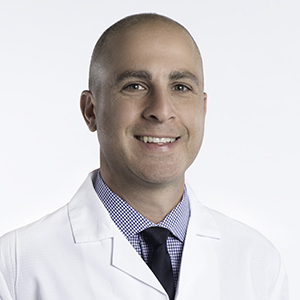
“Nationally, nearly 70% of people diagnosed with cancer now survive at least five years, creating a rapidly growing survivor population. Survivorship programs help ensure those added years are healthier ones by identifying problems early, preventing avoidable complications and supporting long-term wellbeing,” says pediatric oncologist Saro Armenian, D.O., M.P.H., who also serves as director of the Childhood, Adolescent and Young Adult Survivorship Program at City of Hope® Cancer Center Duarte.
This article discusses what cancer survivorship may look like for many Americans, and how centers like City of Hope support survivors as they transition away from active treatment, including:
- What is cancer survivorship?
- Cancer PTSD
- Improving cancer survivors’ quality of life
- Caregiver support after cancer treatment ends
If you or a loved one has been diagnosed with cancer and would like to schedule an appointment or get a second opinion, call us 24/7 at 877-460-4673.
What Is Cancer Survivorship?
Many people think of cancer survivorship as a stage that comes after treatment. However, every person who develops cancer is considered a cancer survivor from the moment of his or her diagnosis through the rest of his or her life. According to the National Cancer Institute:
- In 2026, nearly 20 million cancer survivors are living in the United States alone, and that number will continue to grow with improvements in cancer screening, detection and treatment
- About 62% of all cancer survivors are aged 65 or older — a figure that will also continue to go up as people live longer with cancer
- Breast and prostate cancer survivors account for more than 40% of all cancer survivors in the United States
Cancer PTSD
PTSD, short for post-traumatic stress disorder, is a common mental health condition among cancer survivors. PTSD may be triggered by different kinds of traumatic or life-threatening experiences. While it is normal for people diagnosed with cancer to feel stress and anxiety, PTSD related to cancer may result in:
- Physical and emotional symptoms that start one to three months after diagnosis
- Mental health challenges that interfere with daily life or relationships
- Symptoms that prevent someone from attending medical appointments
- More severe anxiety or stress symptoms that last for longer than a month
Many cancer survivors with PTSD feel better when they seek out supportive care and mental health care treatments, which may include behavioral counselling and talk therapy, medications or joining peer groups for cancer survivors. Comprehensive cancer centers like City of Hope offer these and other options for cancer survivors and their caregivers.
Improving Cancer Survivors’ Quality of Life
Cancer survivors often have unique needs in terms of routine care, even long after active treatment has ended. Some of the common resources that may help survivors manage their long-term quality of life include:
- Dedicated survivorship clinics by cancer type
- Survivorship care plans, created by a patient’s medical team as he or she transitions out of active treatment
- Community groups for cancer survivors or caregivers
- Counselling for behavioral health or sexual health concerns
- Physical therapy or occupational therapy to aid with long-term recovery
City of Hope offers all of these options to cancer survivors, as well as dedicated programs such as the Childhood, Adolescent and Young Adult Survivorship Program.
“This program is built around one core goal: helping young survivors thrive long after cancer treatment ends,” explains Dr. Armenian. “We provide risk-based, lifelong follow-up care that monitors for late effects, supports physical and emotional health and helps survivors successfully transition into life after cancer treatment.”
The program is central to care, he adds, because “curing cancer is only the first step. Long-term health and quality of life matter just as much.”
If you or a loved one is undergoing cancer treatment, it may be beneficial to talk to your care team about which survivorship support options are available to you.
Caregiver Support After Cancer Treatment Ends
Caregivers play a central role in helping cancer survivors manage both their treatment and their transition into survivorship. However, being a cancer caregiver comes with its own set of mental and physical health challenges. Many cancer centers, including City of Hope, provide support programs specifically for caregivers, such as peer support groups (fluent in English and Spanish), as well as classes offering meditation and mindfulness, respite care options and counselling services.
Another difference at City of Hope is that survivorship is a key part of treatment from day one, according to Dr. Armenian.
“We integrate survivorship research directly into routine care, including studying long-term outcomes, developing strategies to prevent treatment-related complications and testing scalable interventions such as digital health tools and risk-based screening that make survivorship care more accessible and effective for patients wherever they live.”
If you or a loved one has been diagnosed with cancer and would like to schedule an appointment or get a second opinion, call us 24/7 at 877-460-4673.