More Americans are being diagnosed with certain types of cancer that are caused by human papillomavirus, or HPV — specifically, oropharyngeal cancer, which develops in the back of the throat, according to this year’s American Cancer Society Cancer Facts and Figures report.

“The increase in HPV oropharyngeal-related cancers may be related to changes in sexual practice, with an increase in transmission of HPV to the throat,” explains Joshua Cohen, M.D., F.A.C.O.G., F.A.C.S., medical director of the Gynecologic Cancer Program at City of Hope® Orange County Lennar Foundation Cancer Center.
Some simple steps that may help patients lower their risk for developing an HPV-related cancer include practicing safe sex, getting vaccinated and undergoing regular cancer screenings. The U.S. Food and Drug Administration (FDA) also recently approved a new screening option: an at-home test that may detect the highest-risk forms of HPV.
“Although these tests do not take the place of a medical exam, they do increase access for patients and provide valuable information about their risk for HPV-related cancers,” says Dr. Cohen. This article covers HPV-related cancer risk and prevention, including:
- HPV-related cancers on the rise
- HPV and cancer risk
- HPV testing to screen for infection
- HPV self-testing
- HPV vaccination and cancer risk
If you or a loved one has been diagnosed with cancer and would like to schedule an appointment or get a second opinion, call us 24/7 at 877-460-4673.
HPV-related Cancers on the Rise
The American Cancer Society’s Cancer Facts and Figures report for 2026 reveals that some HPV-related cancers have been on the rise over the past decade or so. Most notable is an increase in oropharyngeal cancers, which are cancers that affect back of the throat, where the base of the tongue and the tonsils are located. According to the report:
- All mouth (or oral cavity) and throat cancers increased by about 0.7% every year between 2013 and 2022
- Oropharyngeal cancers specifically increased by about 2% every year between 2013 and 2022
- Other cancers of the mouth decreased by 1% every year between 2013 and 2022
- Cervical cancer rates have remained stable, however, there has been a decrease in new diagnoses among women aged 20 to 24
HPV and Cancer Risk
Doctors have known for many years that HPV may cause several types of cancer, including:
- Cervical cancer
- Throat and mouth (oral cavity) cancers
- Anal cancer
- Vaginal cancer
- Penile cancer
HPV is a very common sexually transmitted infection — most sexually active people will become infected at some point in their lives. There are about 150 different strains of HPV, most of which do not cause cancer. However, several types of HPV are linked directly to a higher risk for developing cancer.
Dr. Cohen explains that HPV causes the development of cancer or precancerous tumors through changes to our cells.
“HPV impacts normal cells in the body by causing their blueprint to malfunction, producing E6 and E7 oncoproteins, which prevent this blueprint from removing and discarding cells that are abnormal,” he says. “These genetically mutated cells then grow unchecked in our body and can become cancer.”
HPV Testing to Screen for Infection
Dr. Cohen emphasizes that the way to manage the risk for developing an HPV-related cancer is to undergo regular cancer screening, which often includes testing for HPV.
“The United States Preventive Services Task Force recommends cervical cancer screening with Pap smears every 3 years for women aged 21 to 29, assuming Pap smears are negative,” Dr. Cohen explains. “Between ages 30 and 65, patients have the option of doing a Pap smear every 3 years, a medical provider-collected HPV test or a Pap smear with an HPV co-test every 5 years, assuming all tests are negative.”
After age 65, women should talk to their doctor to determine the best way to screen for cancer risk in the future, depending on a variety of factors, including their overall health and their risk factors.
HPV Self-testing
Self-testing for HPV is a new HPV screening option. The first at-home test for HPV infection was approved by the FDA in 2025.
“This HPV home collection test increases the opportunity for patients to screen for cervical cancer if they do not want to or cannot go to a medical office for any reason,” Dr. Cohen says.
However, there are some things to bear in mind when considering at-home testing for HPV, including:
- The at-home self-testing kit for HPV must be prescribed by a medical provider
- It is currently only available for women aged 25-65 who are at average risk of cervical cancer
- Women must collect a vaginal swab sample, which is then mailed to a lab for analysis
If an at-home test shows positive results, it is still vital that a patient make an appointment to see a doctor in order to rule out cancer or precancerous changes to the cells in the cervix.
Dr. Cohen also stresses that “these tests do not take the place of a medical exam if a patient is having concerning symptoms such as abnormal bleeding, pelvic pain, abnormal discharge or new bowel or bladder symptoms.
HPV Vaccination and Cancer Risk
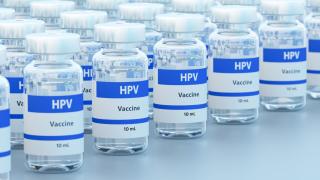
Regular testing is the best way to detect HPV infection. But the most effective means of preventing it in the first place is the HPV vaccine.
“The best way to reduce the risk of HPV infection is to get vaccinated,” says Dr. Cohen.
The HPV vaccine is covered by most health insurance providers and may be given up to age 45. However, the current guidelines recommend that children receive the vaccine between the ages of 9 and 12.
“Other ways to reduce the risk of HPV infection include safe sex practices, limiting your number of sexual partners and making healthy lifestyle choices, such as a Mediterranean diet and not smoking or vaping,” Dr. Cohen adds.
The effectiveness of the HPV vaccine is already evident in some parts of the world: Australia is on track to be the first country worldwide to eliminate cervical cancer by 2035, in part thanks to widespread adoption of the HPV vaccine.
If you or a loved one has been diagnosed with cancer and would like to schedule an appointment or get a second opinion, call us 24/7 at 877-460-4673.