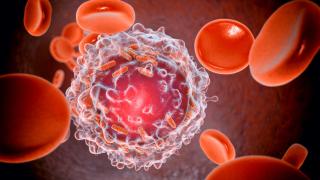
Encouraging news from the latest American Cancer Society (ACS) annual report: People diagnosed with cancer today are living longer than ever before. In fact, about 7 in 10 cancer patients now survive at least five years after their diagnosis, a milestone that reflects decades of progress in the fight against these diseases. For people with leukemia, that improvement has been especially meaningful: From 1975 to 2021, the five-year relative survival rate for leukemia doubled, climbing from 34% to 68%.
While many factors have helped boost overall cancer survival, advances in leukemia treatment played a key role. Researchers have developed more targeted therapies — including medications that zero in on specific cancer cell changes, newer immune-based treatments and better drug combinations — all designed to be more effective and easier on the body than older approaches.
For many patients and families facing a leukemia diagnosis, that progress means more hope, more time and better quality of life. In this article, we’ll explore some of the most promising breakthroughs that are helping drive these outcomes, including:
- Treatment advances in leukemia
- Precision medicine research
- Are more leukemia research breakthroughs on the horizon?
If you or a loved one is concerned about possible signs or symptoms of cancer and would like an initial appointment or a second opinion, call us 24/7 at 877-460-4673.
Treatment Advances in Leukemia
Over the past few decades, breakthrough treatments like targeted therapy and immunotherapy have transformed leukemia from what was once fatal diagnosis into a disease many people can live with — even in some of the most challenging cases.
Targeted Therapy
Targeted therapies are medicines designed to attack specific features on leukemia cells without harming most normal cells. For people with chronic myeloid leukemia (CML) and some cases of Philadelphia chromosome-positive acute lymphoblastic leukemia (Ph+ ALL), drugs called tyrosine kinase inhibitors (TKIs) block the abnormal signal that tells leukemia cells to grow.
Medicines such as Gleevec® (imatinib) and Sprycel® (dasatinib) have significantly improved outcomes. Many people with CML who take these medications may now live close to a normal lifespan.
Immunotherapy
Immunotherapy treatments boost the body’s own immune system to recognize and attack leukemia cells. These include those listed below.
Monoclonal antibodies: These are lab-made proteins that attach to leukemia cells so the immune system can destroy them.
Bispecific T cell engagers (BiTEs): These therapies act like a bridge — bringing a patient’s T cells (immune cells) directly into contact with leukemia cells so they can attack them. They are used in certain types of acute lymphocytic leukemia (ALL) and are under investigation for use in other leukemias.
Immunotherapy options are now part of treatment for several leukemia types, including ALL, chronic lymphocytic leukemia (CLL) and some acute myeloid leukemia (AML) cases, and continue to expand through research.
Chimeric Antigen Receptor (CAR) T Cell Therapy
Another highly specialized form of immunotherapy is chimeric antigen receptor (CAR) T cell therapy. Doctors collect a patient’s own T cells, genetically reprogram them in a lab to better recognize leukemia cells and then return them to the body to fight the cancer. This approach has been especially effective for certain B cell acute lymphoblastic leukemia cases, especially when the leukemia has returned or hasn’t responded to other treatments. Some patients treated with this form of immunotherapy have experienced long-lasting remissions.
Precision Medicine Research
Scientists continue to study new targeted drugs and smarter drug combinations for leukemia, including treatments aimed at specific genetic mutations in AML and other subtypes. The goal is to make therapies more effective while reducing side effects.
Are More Leukemia Research Breakthroughs on the Horizon?
“We can expect leukemia treatments that are increasingly precise and patient-focused,” says Leslie L. Popplewell, M.D., chief of hematology at City of Hope® Cancer Center Atlanta. “From smarter targeted drugs to next-generation immune therapies, the future is promising.”
A prime example of what Dr. Popplewell calls “promising” is research focused on menin inhibitors, a new class of targeted drugs that block a protein driving leukemia growth in certain adults and children with AML that involves specific genetic changes. Early results show these drugs may put even relapsed or treatment-resistant AML into remission, unlocking options for patients who haven’t responded to other therapies.
This precision approach — matching therapy to a person’s leukemia mutations — is part of a broader trend toward personalized treatments that work more effectively and with fewer side effects than traditional chemotherapy.
“Another exciting area is immunotherapy innovations, where doctors train the immune system to better attack leukemia cells,” she says. New CAR T cell approaches using gene editing, for example, are being tested for aggressive T cell leukemias. Early trials show long-lasting remissions in many patients, allowing them to move forward to potentially curative transplants.
Meanwhile, several large clinical trials are testing CAR T cell therapies that use T cells collected from healthy donors (allogeneic) instead of from individual patients. The goal is to make these therapies available immediately as off-the-shelf treatments, rather than manufacturing them over several weeks for each patient.
“This could considerably improve access, especially for patients with urgent needs or in remote areas,” adds Dr. Popplewell.
If you or a loved one is concerned about possible signs or symptoms of cancer and would like an initial appointment or a second opinion, call us 24/7 at 877-460-4673.