Metastatic melanoma is one of the most challenging cancers to treat, accounting for only 1% of skin cancers but a majority of skin cancer deaths in the United States — 8,430 every year. But a new type of immunotherapy, which revs up the body’s own natural defenses to target and destroy cancer cells, is boosting survival odds for the nearly 105,000 Americans diagnosed each year with this life-threatening form of skin cancer.
In 2024, the U.S. Food and Drug Administration fast-tracked approval for lifileucel (Amtagvi®) — a first-of-its-kind personalized immunotherapy called tumor-infiltrating lymphocyte (TIL) therapy — for patients with advanced melanoma or unresectable disease.
Nearly 40 years in development, TIL therapy has been formulated to target and treat solid cancer tumors. New research has also suggested it may help combat other cancers, such as breast, colorectal, bile duct and ovarian cancers, as well as cervical squamous cell carcinoma.
This article explores:
- What is TIL therapy for melanoma?
- The lifileucel regimen
- Side effects of TIL therapy
- Insurance coverage for TIL therapy
If you or a loved one is concerned about possible signs or symptoms of cancer and would like an initial appointment or a second opinion, call us 24/7 at (877) 834-8941.
What Is TIL Therapy for Melanoma?
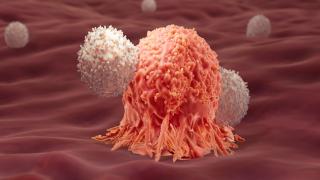
Lymphocytes are infection-fighting white blood cells (T cells and B cells) made in the bone marrow and found in lymph tissue and blood. As the name suggests, tumor-infiltrating lymphocytes(TILs) are specialized white blood cells that target, enter and attack tumors from the inside out.
The body makes these TILs, but not enough of them to halt or destroy cancer entirely, so tumors may grow and spread (metastasize).
TIL therapy dramatically boosts the TILs, creating a kind of bio-army of cancer killers that effectively seek out and destroy tumor cells without harming healthy cells. As a result, this advanced melanoma treatment for patients with Stage 4 disease has outpaced the benefits of chemotherapy, surgery, radiation therapy and other conventional treatments.
Most patients require only a single treatment of the drug lifileucel (Amtagvi®) — the only available form of TIL therapy — which infuses the body with 7.5 billion cancer-fighting TILs. Clinical trials have found that those TILs effectively shrink tumor cells, halt their growth and may eradicate the cancer altogether.
TIL therapy is administered via combination of surgery and chemotherapy as part of the treatment regimen.
But because TILs specifically target tumor cells, and not healthy tissues, they are more precise, effective and individualized than chemotherapy or surgery alone. TILs also don’t require genetic modification — as other immunotherapies do — to do their job.
“Stage 4 disease doesn’t mean the same for all patients,” said Kelly Mahuron, M.D., surgical oncologist and TIL therapy expert at City of Hope® Cancer Center Duarte, during an appearance on the On the Edge of Breakthrough podcast. “So, you really have to take an individualized approach and understand a patient’s disease biology and how they respond to systemic treatments to know what the best path forward is.”
She added that TIL therapy offers a new level of care, beyond what other standard treatments have delivered for patients with advanced melanoma.
“Before immunotherapy, surgery was really the only mainstay for melanoma treatment, and I think people forget how bad the disease was because of how much better it is now,” she noted, adding that patient response rates for chemotherapy are also low — in the single digits. “But now, the paradigm has switched.”
The Lifileucel Regimen
The first step in TIL therapy is surgery to biopsy tumor tissue and extract TILs for replication. Some patients may have the procedure performed in an outpatient setting, but others may require hospitalization, depending on the tumor’s size and location.
During the operation, surgeons remove at least 1.5 centimeters of tumor tissue — a little more than half an inch — so TILs may be extracted from it. Melanoma tumor lesions are not always easily accessible for harvesting, so surgeons choose a tumor in a location that is easiest to remove. Those locations may include the liver, lung, brain and bone marrow.
The tissue is then sent to a lab, where TIL cells are extracted and treated with the immunotherapy drug interleukin-2 (IL-2), prompting them to multiply by the billions. The TILs are also bioengineered to overcome cancer resistance that may hinder their effectiveness. This treatment and replication process may take two to eight weeks to complete.
The replicated TILs are then infused into the body after the patient undergoes a round of chemotherapy to deplete the existing T cells, which are immunosuppressive and may block the action of the newly infused TILs.
Once the TILs are infused into the body, the patient is given up to six doses of IL-2 — a process known as adoptive cell therapy (ACT) — which may take a week to complete.
The entire process may take several months, depending on the patient’s particular case. After TIL therapy, the patient’s health care team monitors how well it’s working and monitors for side effects that may need managing.
Advantages of the Lifileucel Regimen
The most significant advantage of TIL therapy over other metastatic melanoma treatments is that it’s been shown to help some patients fare better than those undergoing surgery, chemotherapy, radiation therapy and other types of immunotherapy and targeted therapy.
Nearly two-thirds of patients diagnosed with metastatic melanoma die within five years, according to the American Association for Advanced Cancer Research. But clinical trials have found that patients receiving TIL therapy may live longer.
A multicenter study published in the Journal of Clinical Oncology found that participants who underwent TIL therapy after three or more prior treatments for advanced melanoma had an overall, lasting response rate of 36% — a technical measure of TIL therapy’s success.
TIL therapy also offers distinct advantages over other immunotherapy treatments, including chimeric antigen receptor (CAR) T cell therapy, which is used to treat certain blood cancers.
Both CAR T and TIL therapies boost the immune system’s ability to identify and attach to antigens on cancer cells so they can destroy them. But while CAR T cell therapy, and other types of so-called adoptive cell therapies, program immune cells through genetic engineering to target tumor-specific antigens, TIL cells are already equipped with the ability to seek out the antigens. This gives TIL therapy a major advantage in that TILs find and attack cancer cell antigen targets on their own without needing to be programmed.
Another advantage of TIL therapy is that it doesn’t carry the risk for two serious side effects that may occur with CAR T cell therapy. One such side effect is a life-threatening condition called cytokine release syndrome (CRS), also referred to as a cytokine storm. This occurs when cytokine protein molecules, which stimulate immune system cells, are overproduced, potentially leading to organ failure or other serious issues. CAR T cell therapy may also cause neurotoxicity, leading to confusion and possible seizures in patients — a side effect not caused by TIL therapy.
And because TIL cells are a natural part of the body and are not excreted out like medications, TIL therapy usually requires only a one-time infusion treatment and is easier for patients to undergo.
Side Effects of TIL Therapy
Few serious side effects are associated with TIL therapy, in part because the treatment uses the patient’s own lymphocytes — and others made from them — so they are well tolerated.
However, some side effects reported in certain patients may be caused by the therapy itself: the chemotherapy administered before the infusion of TILs or to the IL-2 given afterward. These side effects may include:
- High fever
- Anemia
- Low platelet counts
- Low white blood cell counts
- Chills or fever
- Fatigue
- Diarrhea
- Low blood pressure
- Skin rashes
- Heart, lung or kidney problems
- Internal bleeding
- Severe infections
Because of the potential for side effects from TIL therapy, the treatment should be performed in a medical center with doctors and staff who have specialized training in administering the new therapy. It’s also critical for patients to reach out to their doctor or care team right away if side effects develop. The care team will work to diagnose any potential underlying health issues and provide treatments to aid in recovery after TIL therapy.
It's critical for patients to have a team of health care providers trained to deliver the many facets of TIL therapy, says Ajaz Khan, M.D., M.B.A., C.P.E., chief of medical oncology and president of the medical staff at City of Hope Cancer Center Chicago.
The team should include nurses who are skilled in administering chemotherapy as well as IL-2, in addition to having access to a nearby lab that can perform the required antibody testing. It’s also important to have respiratory and pulmonary specialists available, as well as cardiologists, in case the patient experiences capillary leak syndrome or pulmonary edema.
For now, lifileucel is the only federally approved TIL therapy, and only for the treatment of advanced melanoma. But TIL therapy may have wider applications, with clinical trials now evaluating its effectiveness in treating advanced stages of lung cancer, ovarian cancer, colon cancer, pancreatic cancer, head and neck cancers and breast cancer.
Dr. Mahuron says ongoing clinical trials are likely to help oncologists identify patients who are most likely to benefit from TIL therapy, beyond those with metastatic melanoma.
“It’s still early. There’s a lot of work to be done in that area,” she noted. “But I think, in the future, we’ll just have better ways of selecting the right T cells, modulating the environment before you harvest to increase the number of T cells, and then this therapy could be expanded to a lot of different groups.
“We really want to expand it to all cancer types — that’s our goal. There’s a lot of excitement around this area for different cancer types.”
Dr. Khan adds that some research has already had positive results when administered in earlier stages of cancer, before tumors have grown significantly or spread.
One of the biggest challenges to delivering TIL therapy to earlier-stage patients is that most health care facilities in the United States don’t have the technology and expert staffing to perform the procedure. Dr. Khan notes that more research and development is needed before community medical centers and regional facilities can deliver the care on par with National Cancer Institute-designated comprehensive cancer centers like City of Hope.
Insurance Coverage for TIL Therapy
Lifileucel is expensive. A single treatment costs an estimated $515,000, about the same as CAR T cell therapy, and often requires hospitalization. But TIL therapy may be covered by insurance companies, Medicare and Medicaid, when administered at an authorized treatment center.
Coverage may vary depending on the patient’s insurer and policy plan. Insurers may also require a physician’s letter of medical necessity, and patients may need to meet certain criteria — such as having undergone prior treatment with other therapies before opting for TIL therapy. Patients should consult with their doctor and care team, as well as their insurance provider, to identify insurance issues before treatment begins.
If you or a loved one is concerned about possible signs or symptoms of cancer and would like an initial appointment or a second opinion, call us 24/7 at (877) 834-8941.