
One of the most rapidly advancing fields of cancer research and treatment is cellular immunotherapy (also known as immuno-oncology or adoptive cell therapy), a highly individualized approach that utilizes living immune cells to target and destroy cancer cells.
City of Hope has one of the largest cell therapy programs in the United States and is one of the few the few institutions in the nation to advance cell therapy through its own research and clinical trials.
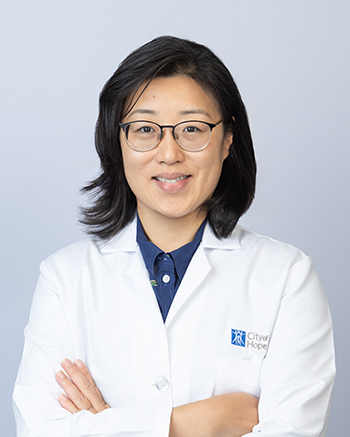
“Breakthroughs in cellular therapy are helping change what’s possible for patients facing complex cancers,” says Lisa Lee, M.D., a hematologist specializing in multiple myeloma at City of Hope Orange County and an associate clinical professor in the Department of Hematology and Hematopoietic Cell Transplantation at City of Hope. “By bringing together decades of research, clinical expertise and innovation, we’re able to offer patients in Orange County a level of advanced care that is difficult to find elsewhere.”
Dr. Lee answers some of the most common questions patients have about cellular immunotherapy, including:
- How cellular immunotherapy works
- How it differs from other immunotherapies
- Who may benefit from these treatments
- What patients can expect during treatment
- The potential benefits and risks
- Why experience matters
- What's next for this rapidly evolving field
How Does Cellular Immunotherapy Help the Immune System Fight Cancer?
"One of cancer's greatest strengths is its ability to evade the immune system and grow unchecked," Dr. Lee says. "Cellular immunotherapy is designed to help overcome some of those barriers to the immune response."
Depending on the type of cellular immunotherapy, doctors may collect immune cells from the patient or a donor, strengthen or modify them in a specialized laboratory, then return them to the patient's body, where they can better recognize and attack cancer cells.
How Is Cellular Immunotherapy Different from Other Immunotherapies?
Most immunotherapies use medications to help the immune system recognize cancer or remove the "brakes" that prevent immune cells from mounting a stronger response.
Cellular immunotherapy works differently. It reengineers immune cells — collecting and strengthening or genetically modifying them before returning them into the body to fight cancer.
It is also different than stem cell transplantation, in which bone marrow is replaced after high-dose chemotherapy, restoring the body’s ability to produce healthy blood cells.
“Traditional immunotherapy helps the immune system respond more effectively,” says Dr. Lee. “Cellular immunotherapy builds on that approach by giving specially prepared immune cells the opportunity to recognize and attack cancer.”
Who May Benefit from Cellular Immunotherapy?
Whether a patient is a candidate for cellular immunotherapy depends on several factors, including the patient’s cancer type, previous treatments, overall health and treatment goals.
Cellular immunotherapies have shown their greatest success against certain blood cancers, including some forms of leukemia, lymphoma and multiple myeloma. Researchers are evaluating cellular immunotherapy for melanoma, lung, colorectal, pancreatic, ovarian and brain cancers, and more.
What Can Patients Expect During Cellular Immunotherapy?
The best-known cellular immunotherapy is CAR T cell therapy. Doctors begin by collecting a patient's T cells, a type of white blood cell that plays an important role in the immune system. In a specialized laboratory, those cells are genetically modified to recognize a specific target on cancer cells and then multiplied before being returned to the patient's bloodstream.
City of Hope is at the forefront of CAR T cell therapy, utilizing this leading-edge technology in both preclinical and clinical programs across a range of blood cancers and solid tumor cancers. Additional forms of cellular immunotherapy being studied at City of Hope include tumor-infiltrating lymphocyte (TIL) therapy, which uses immune cells found within the tumor, and natural killer (NK) cell therapies, which can patrol the body and activate T cells in response to a threat.
What Are the Benefits—and the Risks?
Cellular immunotherapy has in some cases produced long-lasting responses, even after other treatments have stopped working. At the same time, these therapies aren't appropriate for everyone, and many investigational therapies are available only through clinical trials.
Like all cancer treatments, cellular immunotherapy also carries the potential for side effects that can range from fever and fatigue to more serious reactions that require specialized monitoring and prompt treatment.
Why Does Experience Matter?
Cellular immunotherapy involves far more than administering the treatment itself. It requires highly specialized expertise before, during and after treatment.
At City of Hope Orange County, multidisciplinary teams focused solely on cancer pursue an integrated approach in every aspect of patient care. Eligible patients also have access to clinical trials evaluating next-generation cellular immunotherapies and many other leading-edge therapies. City of Hope leads more than 700 pioneering Phase 1 to 3 clinical trials, more than anywhere else in California.
This shared commitment helps ensure patients receive highly personalized care while benefiting from the collective expertise of one of the nation's largest and most advanced cancer research and treatment organizations.
What's Next for Cellular Immunotherapy?
City of Hope’s renowned physician-scientists are working tirelessly to expand the uses of cellular immunotherapy, improve its effectiveness and innovate new approaches that are even more precise and even more widely available — all for the single purpose of saving lives.
“As CAR T technology continues to advance and outpatient access expands, we are moving closer to a future where more patients may experience deeper, longer-lasting responses,” says Dr. Lee. “That progress is what makes this field so exciting and so hopeful for all of us.”
Ending Cancer Starts with Hope. To make an appointment at any of City of Hope’s Orange County locations, call 888-333-HOPE (4673).
CAR T vs. Stem Cell Transplant: Understand These Lifesaving Treatment Options for Blood Cancer
Talking Hope: Blood cancer breakthroughs bring new hope to patients
City of Hope Orange County leads lifesaving immunotherapy research and treatment for hematologic cancers