Thymus Cancer
About 400 people in the United States are diagnosed with thymus cancer every year, making it a rare type of cancer. It develops in a gland called the thymus, which is located above the chest and below the neck.
Due to how uncommon it is, scientists aren’t sure what the specific risk factors may be for developing thymus cancer. The most well-known risk factors are being an Asian American, a Native Hawaiian or a Pacific Islander and being of middle age or older.
Not everyone with thymus cancer experiences symptoms. Those who do may cough up blood, feel short of breath, have trouble swallowing or have a lower appetite than usual.
The most common types of thymus cancer are thymoma and thymic carcinoma. Less common types include thymic epithelial tumors (TETs) and thymic neuroendocrine tumors (TNETs).
Treatment for thymus cancer may include surgery, chemotherapy and radiation therapy. If surgery is performed, the care team may remove the entire thymus gland along with the tumor.
Our Thymus Cancer Expertise
When you get thymus cancer treatment at City of Hope, you are partnering with a world-class team of experts spanning multiple disciplines who are experienced at treating challenging and complex thymus tumors. You’ll also have access to transformative surgical methods and technology, groundbreaking research studies and highly focused radiation therapy.
Our Thymus Cancer Program Highlights
- Minimally invasive surgical options to address thymomas and thymus tumors while reducing impact to quality of life
- Highly precise radiation therapy delivery that can focus on thymus tumors while sparing nearby organs and tissues
- Extensive experience in treatments for advanced or metastatic cancers that have spread from the thymus to other organs
- A long-term survivorship and follow-up program focused on reducing recurrence risk and improving quality of life
- Supportive care programs to help you navigate issues like swallowing issues, pain, nausea and behavioral health challenges
City of Hope offers integrated thymus cancer care by a multidisciplinary team of medical oncologists and neurosurgeons, radiation oncologists and pain management specialists, all of whom collaborate to create treatment plans tailored to each patient.
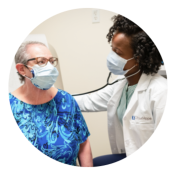
City of Hope is one of fewer than 60 facilities designated a comprehensive cancer center by the National Cancer Institute.
Our developments in the areas of breakthrough medications, minimally invasive surgery and CAR T cell therapy are recognized internationally.

Our leadership in research and innovation continually enhances our ability to provide novel and differentiated approaches to spinal tumor and disorder care.