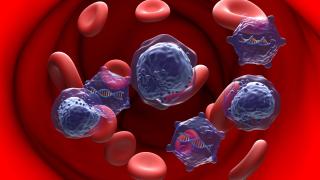
Skin lesions, rashes, bruises and spots on the skin are often the result of minor irritations, injuries or infections. But they may also be the first indication of leukemia, with many people who develop the blood condition noticing they may bruise easily or develop rashes, red or purple spots and other skin-related issues.
Leukemia is a blood cancer that occurs when blood cells — usually white blood cells, which fight infection and disease — become abnormal, develop mutations or grow out of control. These changes may crowd out healthy red and white blood cells and platelets, weakening the body’s ability to fight infection or disease.
This article explains skin spots, rashes, bruises and other symptoms that may be caused by leukemia. Topics include:
- What causes leukemia lesions?
- What do leukemia spots, rashes and bruises look like?
- Other signs and symptoms of leukemia
- How are leukemia lesions treated?
- When to see a doctor
If you or a loved one is concerned about possible signs or symptoms of cancer and would like an initial consultation or a second opinion, call us 24/7 at 877-460-4673.
What Causes Leukemia Lesions?
Skin lesions associated with leukemia may develop when small blood vessels (capillaries) break open and bleed underneath the skin. While these skin-related issues may be caused by other conditions, they are a hallmark sign of leukemia and are often the first thing someone with blood cancer notices.
With leukemia, the bone marrow produces several abnormal (cancerous) blood cells. These cells do not die but serve no physiological function. However, they compete with healthy cells for oxygen and nutrients, causing healthy cells to die of starvation, which often leads to a deficiency of healthy blood cells.
When there are not enough platelets (which prevent the blood vessels from bleeding), the blood leaks into the skin, which causes petechiae (small red spots on the skin) or easy bruising, even with minor trauma.
“Since platelets are a cell fragment manufactured in the bone marrow, leukemias can often result in low platelet counts as marrow space is replaced by leukemia cells,” says Leslie L. Popplewell, M.D., chief of hematology at City of Hope® Cancer Center Atlanta. “Very low platelet counts can lead to bleeding, especially when patients are already on blood thinners.”
Dr. Popplewell notes that platelets may be low for many reasons other than leukemia, including drug reactions and autoimmune conditions. But anyone experiencing unusual bleeding should consult a doctor to identify the cause.
“Significant or repeated bleeding from the nose, gums, urine, bowel or elsewhere should prompt a blood draw to check for low platelets,” she says.
What Do Leukemia Spots, Rashes and Bruises Look Like?
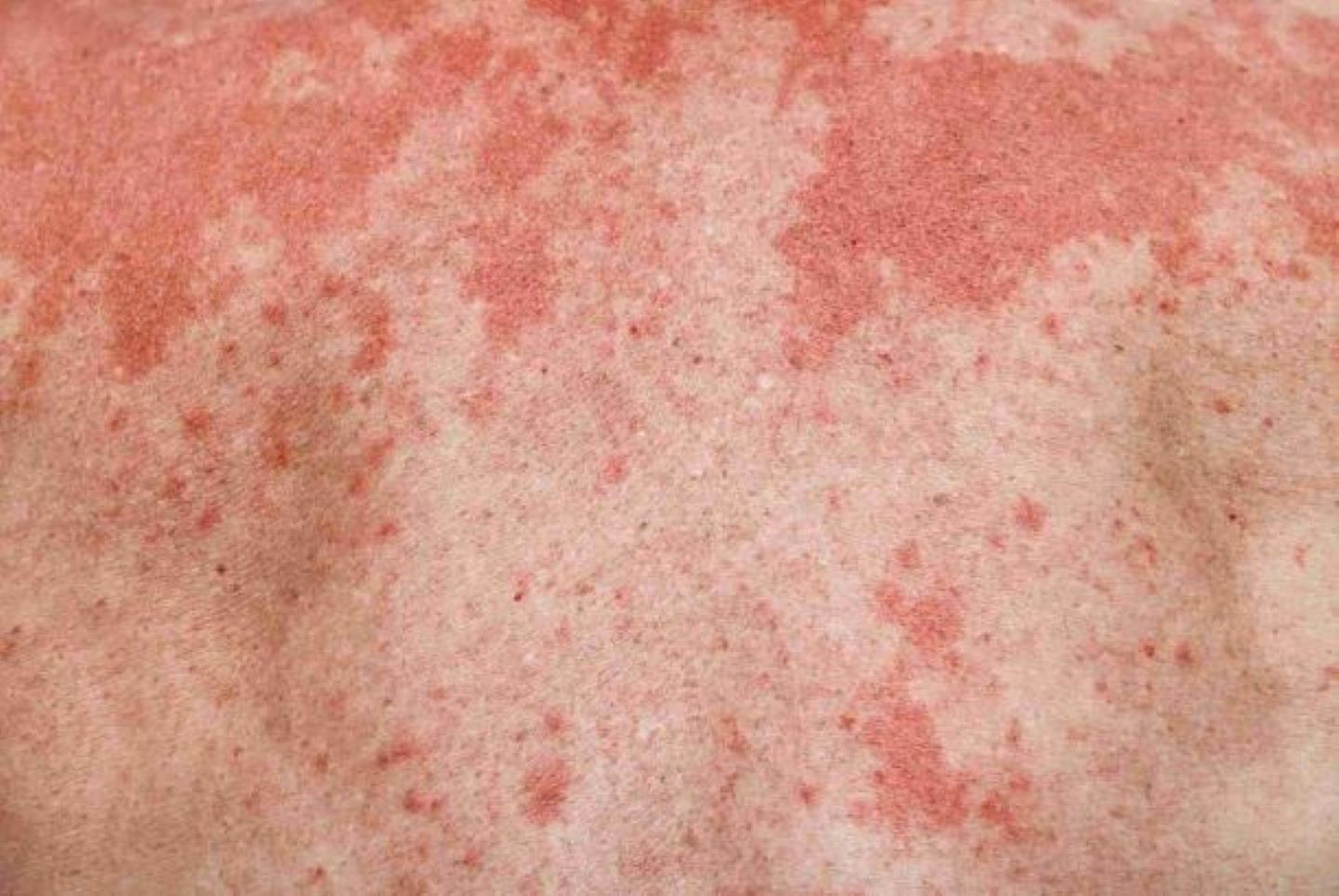
One of the most common early signs of leukemia are tiny reddish or purple spots. They can appear anywhere on the body, including:
- Legs
- Arms
- Trunk
- Neck
- Head
- Face
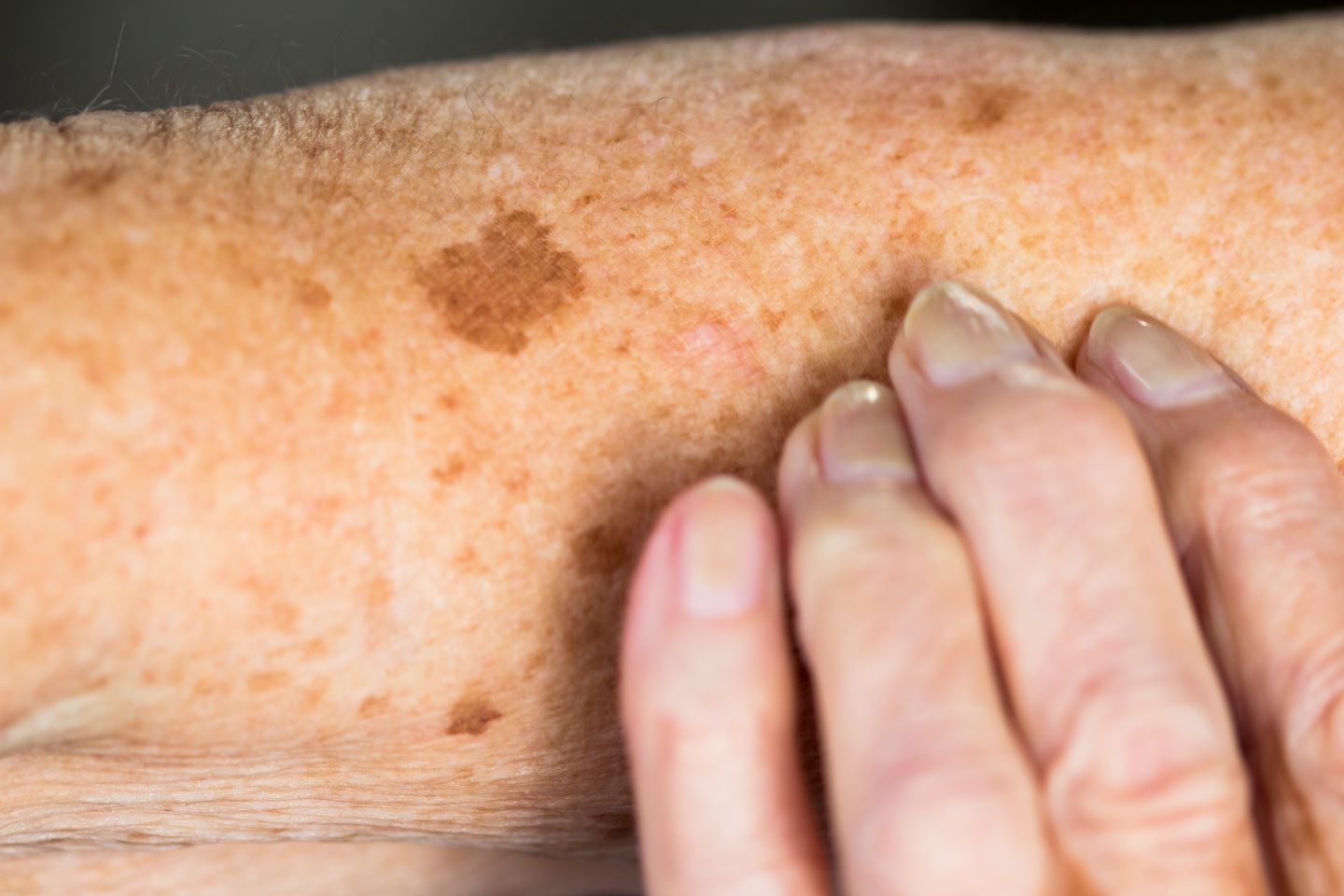
In addition to skin spots, people with leukemia may also notice unusual rashes on various parts of the body. If rashes are accompanied by fever or other symptoms, patients should alert their doctor so the cause may be identified and leukemia confirmed or ruled out.
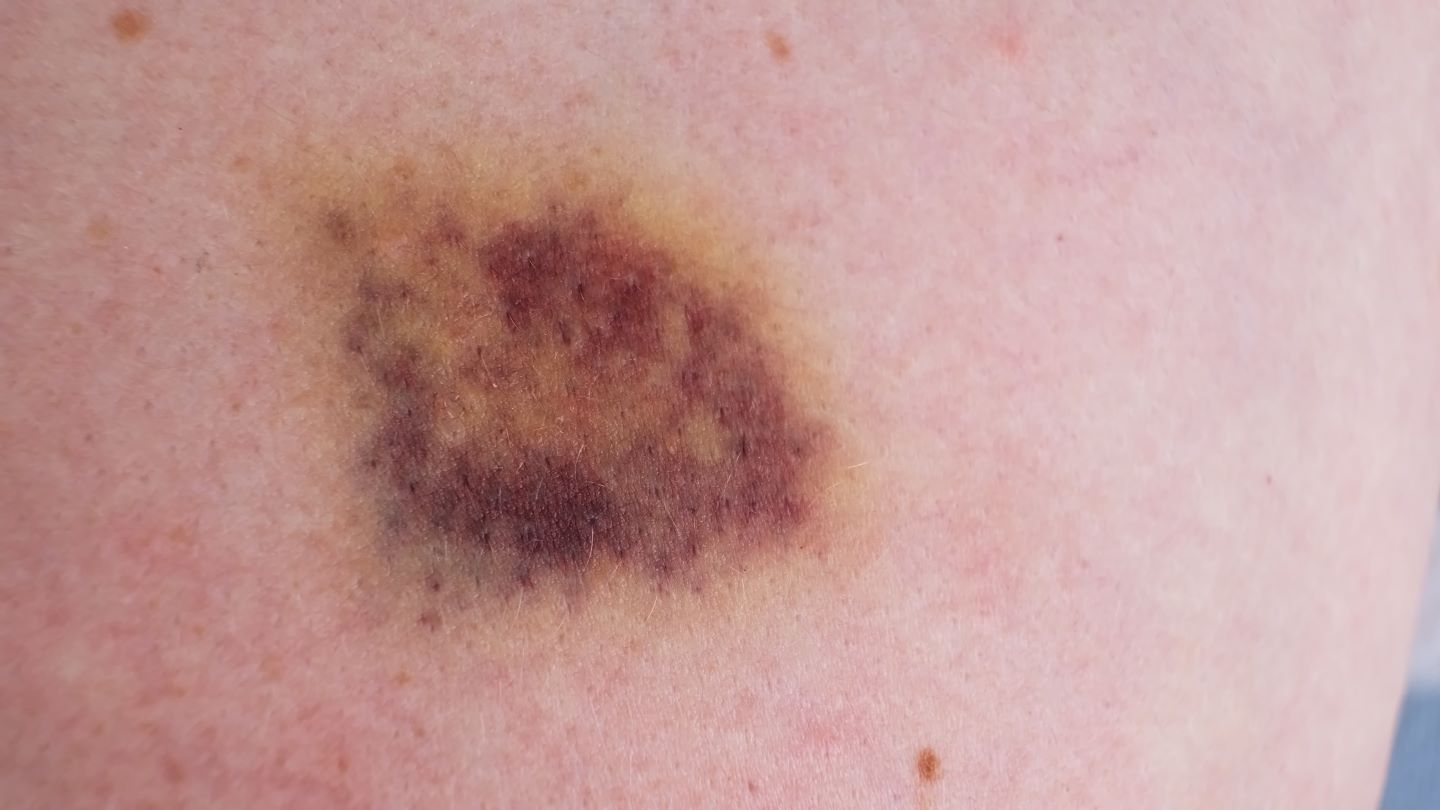
People with leukemia are also more likely to bruise easily or experience bruising in unusual locations, such as the back or hands. It’s also common for bruising to occur from even minor knocks and injuries.
People with unusual bruises that don’t go away quickly on their own should be examined by a doctor to evaluate the potential for leukemia.
Other Signs and Symptoms of Leukemia
In some cases, leukemia may develop in the skin itself, causing an unusual lump a dermatologist may notice.
“Rarely, leukemia cells can accumulate in locations other than the bone marrow, including the skin,” Dr. Popplewell says. “When this happens, we may call this ‘leukemia cutis,’ which might look like thickening or a heaped-up lump on the skin. These are usually seen first by dermatologists who perform skin biopsies. If leukemia cells are seen in the skin biopsy, then the diagnosis would be confirmed and a complete blood count and bone marrow biopsy would be needed as well.”
Other common symptoms of leukemia (which vary, depending on the type of blood cancer) include:
- Fatigue, weakness
- Fever and chills
- Bone pain
- Shortness of breath
- Frequent infections
- Weight loss
- Pale complexion
- Nose bleeds
- Loss of appetite
- Abdominal discomfort
- Headaches
- Night sweats
Some of these symptoms and conditions occur as side effects of leukemia, including those listed below.
Anemia: This condition, caused by a low red blood cell count, may contribute to weakness, fatigue or shortness of breath.
Leukopenia: A low count of white blood cells (leukocytes) hinders the body's immune defenses and may make patients more prone to infections.
Thrombocytopenia: A low blood platelet count may lead to easy bruising or bleeding because platelets are key to blood clotting. Bleeding from the gums and nose may occur, and women may experience heavy or abnormally long menstruation.
Swollen lymph nodes: When leukemia has spread to the lymph nodes, it may produce swelling of the neck, armpit or groin.
Enlarged liver or spleen: In some patients, the build-up of abnormal blood cells in the liver or spleen causes a feeling of fullness or loss of appetite, as well as swelling in the upper left side of the abdomen.
How Are Leukemia Lesions Treated?
Leukemia lesions are typically addressed by treating the underlying disease, not by targeting the skin-related issues.
“Skin lesions and rashes can be caused by a wide variety of conditions,” Dr. Popplewell adds. “If leukemia is identified as the cause, then systemic therapy aimed at the underlying leukemia is the recommended treatment, as local skin-directed therapy is not curative in this situation.”
At City of Hope, doctors treat leukemia with standard-of-care and evidence-based therapies, including:
- Chemotherapy
- Stem cell transplants
- Targeted therapy
- Immunotherapy
- Chimeric antigen (CAR) T cell therapy
- Radiation therapy
To reduce the risk of bleeding, bruising and skin spots, leukemia patients are also advised to:
- Be extra careful when using a knife, scissors or other sharp objects
- Avoid physical activity that may result in an injury
- Brush teeth with a soft toothbrush to avoid irritating the gums
- Protect the skin against scrapes and sharp objects
- Don’t go barefoot, even at home, to avoid an accidental cut or scrape
- Consult a doctor about the use of ibuprofen, aspirin or other over-the-counter medicines that may increase bleeding risk
- Avoid straining during a bowel movement
When to See a Doctor
Anyone who experiences unusual bleeding or skin-related issues — spots, rashes, bruising or other conditions — should consult a doctor to assess whether leukemia, or another health condition, is the underlying cause, Dr. Popplewell advises.
This is particularly important for anyone who:
- Is suddenly bleeding or bruising repeatedly or more easily than before
- Has developed skin-related issues, in addition to frequent mouth sores and other oral problems
- Has other symptoms, such as fatigue, fever or shortness of breath
If you or a loved one is concerned about possible signs or symptoms of cancer and would like an initial consultation or a second opinion, call us 24/7 at 877-460-4673.