
Surviving a cancer diagnosis and treatment is challenging enough. But the added demand of having to continually explain the cancer experience to family, friends and coworkers may make a patient’s journey even more challenging.
For one thing, surviving cancer doesn’t automatically mean everything is fine, or that things are back to “normal.” For another, many patients live with constant fear and anxiety that cancer may return. And those fears don’t go away when cancer treatment stops, even if a patient is declared cancer-free.
In other words, cancer survivorship is a lifelong journey — from the moment a person is diagnosed, through treatment and when in remission.
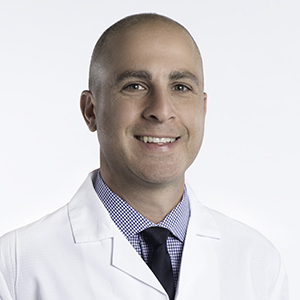
“Cancer survivorship doesn’t begin after treatment — it begins at diagnosis and continues for life,” says Saro Armenian, D.O., M.P.H., who also serves as director of the Childhood, Adolescent and Young Adult Survivorship Program at City of Hope® Cancer Center Duarte.
“While treatment may end, many survivors live with ongoing physical effects, uncertainty about recurrence and the need for long-term monitoring for late effects of therapy,” he adds. “It’s a common misconception that ‘finishing treatment’ means a return to normal, when in reality, survivorship may be a new phase of care and adaptation.”
Recently, our online community, Cancer Fighters, which unites people who are fighting the disease, asked cancer patients: What's something about survivorship you wish you didn't have to explain?
This article shares eight key takeaways from Cancer Fighters members’ answers, which may be helpful to keep in mind if you are a friend or loved one of someone with cancer:
- Treatment is just the beginning, cancer survival is lifelong
- Surviving cancer: living with constant worry
- Support me without dismissing my anxiety
- Don’t presume I’m ok, even if I look fine
- Cancer fatigue is not just from lack of sleep
- Talking to children about my cancer is hard
- Understand my need for support groups in survivorship
- Support me when I lose someone
If you or a loved one is concerned about possible signs or symptoms of cancer and would like an initial appointment or a second opinion, call us 24/7 at 877-460-4673.
Treatment Is Just the Beginning, Cancer Survival Is Lifelong
More Americans are surviving cancer than ever, with this year’s American Cancer Society annual report noting that 70% of people diagnosed with cancer now survive for at least five years after their diagnosis.
That’s nearly 20 million Americans — almost 10 times as many diagnosed with cancer each year and more than 30 times more than the 626,140 projected to die from the disease this year.
But cancer survivorship is not merely a stage that comes after treatment. If you’ve been diagnosed with cancer, you are considered a cancer survivor from the moment of your diagnosis through the rest of your life.
Cancer survivors require unique routine care, even long after active treatment has ended, and they benefit from strong support from family, friends and support groups. Sometimes, however, those closest to cancer patients put extra burdens on them by pressing for answers that may be difficult for their loved ones to answer over and over again.
To spotlight those issues, we asked City of Hope’s online community of Cancer Fighters, which unites people who are fighting the disease, to tell us: What's something about survivorship you wish you didn't have to explain?
What follows are what some members had to say.
Surviving Cancer: Living With Constant Worry
Living your life as a cancer survivor may pose nearly as many challenges as being diagnosed and undergoing treatment. Survivorship is often a challenging, anxiety-producing experience, with concerns that cancer may return compounded by the need for cancer patients and survivors to tell family, friends and coworkers about what they are going through and how their cancer journey has changed them.
As one Cancer Fighters member said: “My mind is constantly worrying about when the cancer is going to come back.”
Friends and loved ones can add to the anxiety by pressing cancer survivors to explain why they feel the way they do, even if treatment was successful.
“Well-meaning questions can sometimes place an additional emotional burden on survivors,” says Dr. Armenian, who often refers patients to mindfulness classes at City of Hope, or recommends caregiver courses for their loved ones. “Many are already navigating fatigue, anxiety or fear of recurrence, and repeatedly having to explain or justify how they feel can be exhausting. Support is most helpful when it doesn’t require survivors to constantly translate their experience for others.”
Support Me Without Dismissing My Anxiety
One of the biggest challenges for some cancer survivors is not to give in to despair or anxiety. Even after successful treatment, many patients remain fearful and anxious that the cancer will return — something that’s difficult to explain to someone who hasn’t been through the experience.
As one Cancer Fighters member put it: “The crippling anxiety that we learn to live with — that’s what I wish I didn’t have to constantly explain.”
Don’t Presume I’m OK, Even If I Look Fine
The fear and anxiety cancer survivors face over a possible recurrence may be compounded by pressure from loved ones to put on a brave face and act like everything is okay. That may be particularly challenging when survivors are feeling depressed or unwell, which is not uncommon even after having been told they’re in remission.
“Just because I look good doesn't mean I feel good,” said one member.
Added another: “I’m not OK, even if I seem to be OK.”
Cancer Fatigue Is Not Just From Lack of Sleep
For some cancer patients, fatigue and exhaustion are constant companions because anxiety may make it hard to relax and sleep.
When friends or family off-handedly suggest what they think is helpful advice — “You just need a good night’s sleep” or “Maybe napping would help?” — that insensitivity may make matters worse.
As one Cancer Fighters member said: “Trying to explain the fatigue — and that you can't just sleep it off — is difficult.”
The best way for loved ones to support cancer survivors is not to dole out advice, but to simply be there for them, in whatever way they need.
“The most meaningful support is to listen, validate and stay present in a way that honors what someone is going through,” Dr. Armenian says. “Survivors thrive when that support is consistent, whether it’s acknowledging ongoing challenges, encouraging follow-up care or simply checking in without assumptions. These everyday acts of understanding and connection can play a powerful role in helping survivors move forward and live well over the long term.”
Talking to Children About My Cancer Is Hard
Revealing a cancer diagnosis and the possibly it might return to anyone — family, friends, coworkers — is hard enough. But talking to children about this difficult topic is particularly tough, cancer patients say.
“Try to explain about the cancer coming back to your kids and grandkids — that’s the hardest thing,” said one Cancer Fighters member.
Understand My Need for Support Groups in Survivorship
Even after successful cancer treatment, it’s critical for some patients to stay connected with others who’ve walked on a similar path. Some patients say it’s frustrating to explain why they continue with therapy, support groups and other programs after successive scans show no sign of cancer.
“Why can’t you just count your blessings and get over it?” is an insensitive question some patients face.
“There’s a reason why I continue to belong to support groups and programs,” said one Cancer Fighter member. “I shouldn’t have to keep explaining why.”
Support Me When I Lose Someone
The bonds cancer patients make are often deep and meaningful, as a result of friendships that grow out of the common struggles of diagnosis, treatment and survivorship. So, when a cancer patient loses a friend who’s fought the same battles with cancer, it may be a crushing experience — one that may not be fully appreciated by a friend or loved one who hasn’t shared the cancer patient’s journey in the same way.
“Losing the ones that didn't survive — that’s something no one can understand, unless you’ve been there,” said one Cancer Fighters member.
If you or a loved one is concerned about possible signs or symptoms of cancer and would like an initial appointment or a second opinion, call us 24/7 at 877-460-4673.