Stomach Cancer
Stomach cancer — also called gastric cancer — is a rare disease in the United States; however, it is a leading cause of cancer death worldwide. This disease occurs when cells in the stomach grow abnormally and multiply, crowding out healthy cells.
Stomach cancers represent about 1.5% of all cancers diagnosed in the United States, meaning approximately 30,000 new diagnoses are expected in 2025. Researchers haven’t yet pinpointed a specific cause for this disease, but they have identified certain factors that may raise a person’s risk for developing it.
Stomach cancer may not cause any symptoms in its early stages. When symptoms do occur, they may include loss of appetite, nausea, bloating after eating, indigestion and heartburn. Once the cancer is advanced, it may lead to vomiting, stomach pain, bloody stool and more.
Up to 95% of stomach cancer diagnoses are adenocarcinomas, which develop in the stomach lining, also called the mucosa. Less common gastric cancer types include neuroendocrine tumors, lymphomas and gastrointestinal stromal tumors (GISTs).
If stomach cancer is suspected, the care team may perform a series of tests, including an upper endoscopy, a biopsy, barium swallow testing, imaging tests and a physical exam. During this process, the care team may also assign a stage to the cancer.
Surgery is the most common treatment for most stomach cancers. Other treatments may also be recommended depending on the type and stage of gastric cancer, as well as the patient’s overall health and preferences. These options may include radiation therapy, chemotherapy, endoluminal laser therapy and drug therapy.
Getting treated for stomach cancer at City of Hope means you are steps away from labs developing new cancer treatments every day. That proximity means you benefit from something unique in cancer care — bench-to-bedside treatment.
When you come to City of Hope, you automatically gain access to an unparalleled array of support services to help you and your loved ones take each step during and after stomach cancer treatment.
Our Stomach Cancer Expertise

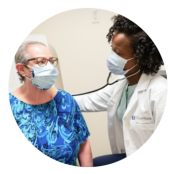
City of Hope is one of the few facilities designated a comprehensive cancer center by the National Cancer Institute.

Our developments in the areas of breakthrough cancer drugs, bone marrow transplants and CAR T cell therapy are recognized internationally.

Our leadership in research and innovation continually enhances our ability to provide novel and differentiated approaches to cancer care.