City of Hope has been earning national attention for our work studying the microbiome — the community of bacteria and other microbes that live in and on the body, especially in the gut.
As CNN reports, the gut microbiome is proving to be a powerful partner in cancer treatment. Cancer treatment can significantly alter the microbiome, and our researchers are working to better understand how those changes influence recovery, complications and long-term outcomes. We’re also exploring how diet, nutrition and microbiome-based therapies may help support treatment response, recovery and overall health.
This field is advancing rapidly. The American Society of Clinical Oncology lists nearly 100 recent or ongoing studies focused on the microbiome and cancer, including many taking place at City of Hope. These efforts are not only helping to improve care; they are empowering patients with practical ways to take a more active role in their health.
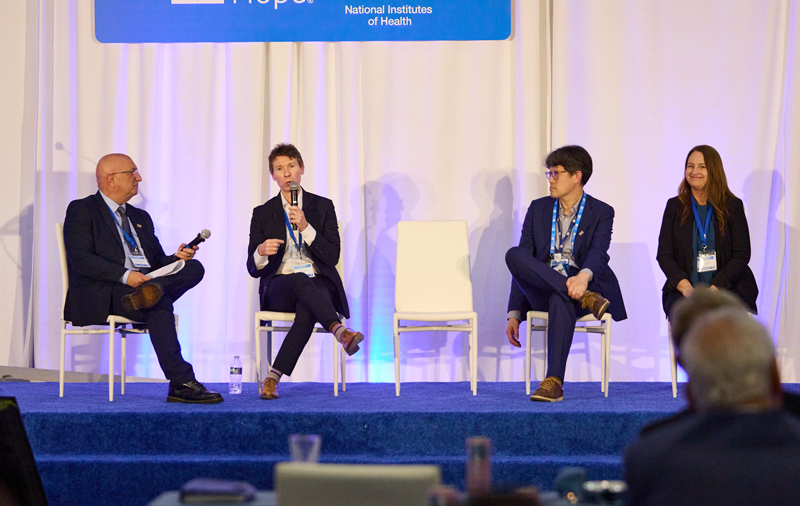
Building on this momentum, City of Hope convened a scientific symposium and executive roundtable earlier this year to discuss the microbiome and its potential to accelerate progress against cancer. The gathering brought together leading scientists, federal health officials and leaders from the nation's top comprehensive cancer centers. You can read five key takeaways from the gathering here.
The enthusiasm on display at this event reinforced my belief that the biggest advances happen when we all work together. As we learn more about the microbiome, this insight continues to stand out.
In his interview with CNN, Marcel van den Brink, M.D., Ph.D., described a healthy microbiome as being like the Amazon rainforest — a thriving ecosystem made up of hundreds of different organisms working in harmony.
That image resonates beyond biology. Our nation's cancer ecosystem is also strongest when it is diverse, connected and collaborative. No single institution, researcher or organization can cure cancer alone. Progress depends on the collective contributions of government leaders, academic partners, health care professionals, philanthropists, advocates and patients. When each part of the ecosystem is supported, the whole becomes stronger.
At City of Hope, we are proud to support the scientists and teams advancing this promising frontier, including Dr. van den Brink, Dr. Robert Jenq, Dr. Sumanta Pal, Dr. Jenny Paredes, Adern Yu and many others. Their groundbreaking work is strengthened by thousands of other people and organizations across the country, including generous donors.
To our researchers, clinicians, patients and supporters: thank you. Your vision, commitment and partnership make progress like this possible. You are an invaluable part of an ecosystem that is bringing new hope to patients and families everywhere.
Just as we’re learning to feed ourselves for better health, let’s keep finding ways to nourish the partnerships that make us stronger.
Warmly,

Kristin J. Bertell
Chief Philanthropy Officer