Chicago High-Risk Breast Cancer Program
While the average risk of a woman in the United States developing breast cancer is 13%, some women are at increased risk due to factors such as genetics, ancestry or a family medical history of the disease. These factors, such as carrying the BRCA1 or BRCA2 mutation, can significantly increase a person’s risk — to up to 60%.
The clinical team at our Chicago-area City of Hope® locations provides a comprehensive High-Risk Breast Cancer Program for women in Illinois, Wisconsin and the surrounding areas who know they are at higher risk for developing breast cancer or are concerned they may be.
No one can predict whether or when she will get breast cancer, but the City of Hope High-Risk Breast Cancer Program allows you to take control of your health through a variety of evaluation and screening techniques, including 3D mammograms, ultrasound and MRIs, as well as genetic testing to look for gene mutations that may increase your risk of breast cancer. Our team will work with you to determine your personal lifetime risk of developing breast cancer and develop a prevention plan personalized to your individual needs.
What Does It Mean to Be High Risk for Developing Breast Cancer?
Various risk factors can increase the likelihood of developing breast cancer, including inherited genetic mutations, which account for 5% to 10% of breast cancer diagnoses. Risk factors that can elevate individuals’ risk for developing breast cancer include:
- A family history of breast or ovarian cancer (i.e., first-degree relatives such as a mother, aunt or daughter)
- A previous diagnosis of breast or ovarian cancer
- Multiple family members diagnosed with breast, prostate, ovarian, sarcoma or pancreatic cancer
- A family history of male breast cancer
- Jewish ancestry, particularly Ashkenazi Jewish heritage
- Certain genetic mutations, including inherited mutations in the BRCA1 and BRCA2 genes and hundreds of other mutations that can predispose you to breast cancer
- Dense breast tissue or an abnormality in breast tissue
- History of chest radiation therapy
- A history of breast biopsies
If one or more of these risk factors applies to you, it is important to make an appointment for a high-risk breast cancer consultation.
Why Choose Our Chicago-Area High-Risk Breast Cancer Program?
The City of Hope High-Risk Breast Cancer Program helps women understand their risk for developing breast cancer and provides an individualized approach to screening, preventative lifestyle changes, monitoring and proactive treatment options based on early-detection and prevention strategies. Our program offers you peace of mind through:
Advanced screening procedures, including breast ultrasound, breast MRI and 3D mammography
Personalized risk assessment and planning, with a health care provider who specializes in high-risk breast cancer prevention and treatment
Licensed genetic counselors, who can help you determine whether you have any known genetic risk factors and facilitate genetic testing
Access to a multidisciplinary team of clinical specialists, who all work together on your individualized plan should you be recommended medical or surgical risk-reduction treatment options
Supportive care specialists, who can offer mental health counseling as you process new information that may impact your future health
What to Expect at Your First Appointment
If you believe you may be at higher risk of developing breast cancer, or just aren’t sure, we encourage you to schedule an appointment with our team. With appointments often available within a week to help you quickly get the answers you need, they will guide you step by step through our comprehensive high-risk assessment process and collaborate with you to develop a personalized plan based on your results.
You can expect to:
Receive a questionnaire to fill out about your risk factors, which will include questions about your personal and family health history to help inform your care team even before your first appointment
Have a screening imaging performed, if you have not completed any recently
Meet with a clinician specializing in breast cancer prevention and treatment, who will discuss your personalized risk assessment, perform a comprehensive breast examination and order any necessary additional screening or diagnostic testing
Meet with a licensed genetic counselor, who can answer any questions about inherited genetic mutations, facilitate genetic testing and discuss your results so you feel fully informed
Be provided with a personalized plan, which may include lifestyle recommendations to reduce risk or referrals to additional City of Hope clinical specialists needed to address preventative treatment options
Once you have discussed the best approach for you with your clinical team, we will continue to support you throughout the program with services including examinations and routine screenings based on your individual needs.
Our Chicago-Area High-Risk Breast Cancer Expertise
The City of Hope high-risk breast cancer team has decades of experience in breast cancer detection, prevention and treatment. Our multidisciplinary team of breast cancer surgeons, medical oncologists and plastic surgeons offers a personalized approach to screening, monitoring and diagnosing breast cancer in women who have a higher risk of developing the disease. Our team includes:

Dr. Bhakta specializes in oncoplastic breast cancer surgery, which combines traditional breast cancer surgery with reconstructive plastic surgery techniques.
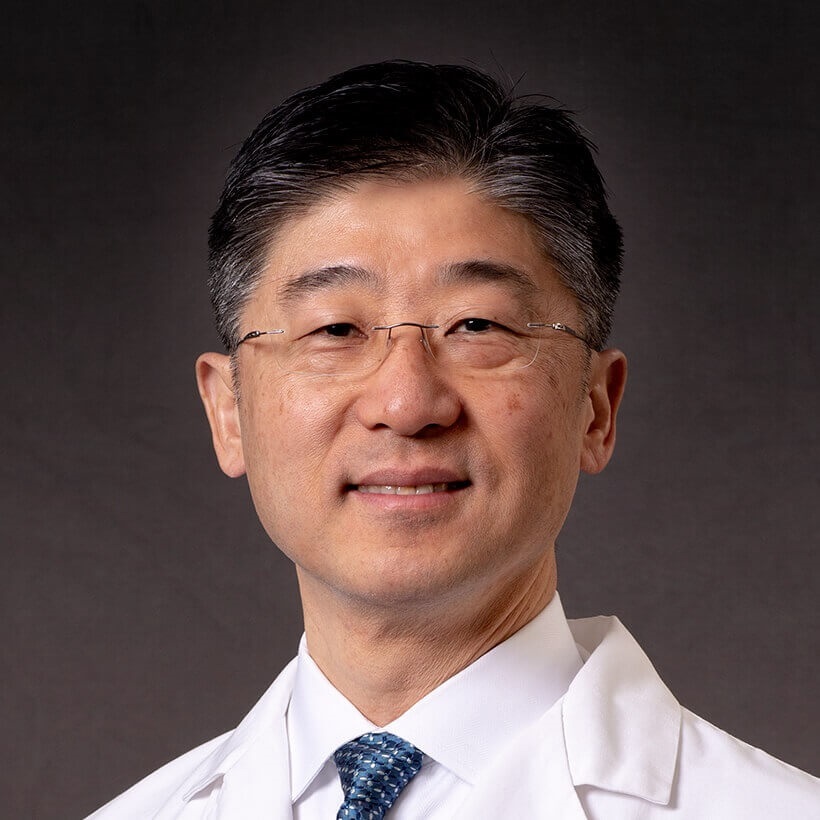
Dr. Choh is an expert in diagnostic and therapeutic radiology for a wide range of cancers, including breast cancer and gastrointestinal cancers.

Dr. Poosarla is the director of medical oncology for the breast program, specializing in treating breast cancer with leading-edge therapies.

Dr. Winchester is a surgical oncologist with nearly three decades of surgical experience, including procedures for breast, skin and thyroid cancers.
Make an Appointment With Our High-Risk Breast Cancer Program
If you believe you are at high risk of developing breast cancer or are seeking an opinion on your individualized risk factors, call our team today. We’re also available to support you if you’ve previously been diagnosed with breast cancer and are seeking a formal ongoing surveillance program.