stem cells

Can Post Transplant Cyclophosphamide Cut GVHD Risk?

A groundbreaking clinical trial at City of Hope may redefine stem cell transplants by reducing GVHD risk and expanding donor access for blood cancer patients.
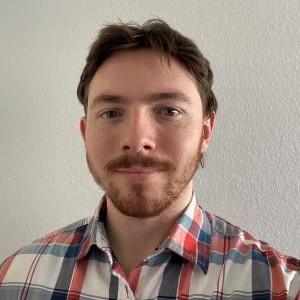
Nick DeGraw
Nick DeGraw

Toward the end of his sophomore year in college, Nick DeGraw, an aspiring mechanical engineer, began to feel strange. He was tired all the time — a simple workout would leave him flat on his back for hours. He had a persistent fever, headaches and night sweats that soaked his bed.

“Not what a healthy 20-year-old should feel,” he recalled.

At the school’s health center, DeGraw underwent blood tests and expected to hear back in a couple of days. But the call came almost immediately, along with an urgent directive to get to a hospital.

“I thought maybe I had some kind of autoimmune disease,” he said.

Further tests, including a bone marrow biopsy, confirmed that DeGraw had acute lymphocytic leukemia, or ALL.

“I was pretty shocked,” he said. “I was very fearful of what my future would be.”

Chemotherapy can help many leukemia patients, but for some, the only real cure is to rid the body of diseased blood cells and replace them through a stem cell transplant. City of Hope® has performed more than 20,000 such transplants, with some patients surviving 50 years or longer.

DeGraw transferred to City of Hope, where chemotherapy began immediately. It helped him achieve remission, but ultimately, a transplant would be necessary. An early search for a donor was discouraging — Nick’s only brother wasn’t a match.

GVHD in Stem Cell Transplant Patients

Even when a suitable donor is found, the transplant process can be difficult. One of its deadliest complications — graft-versus-host disease, or GVHD — is a major reason some transplant patients do not survive.

When GVHD occurs, the newly transplanted stem cells perceive the body as a threat and attack it. This is especially likely when donor and recipient blood proteins do not match exactly. Symptoms can range from a skin rash to organ failure.

Doctors try to prevent GVHD by suppressing the patient’s immune system. A variety of drugs, most notably cyclosporin, have been used for decades. But a recent clinical trial suggests there may be a better way.

Monzr M. Al Malki, M.D.

In 1959, the Food and Drug Administration approved cyclophosphamide as a chemotherapy drug. Scientists later noticed it also affected lymphocytes — the immune cells responsible for GVHD. This led researchers to theorize that cyclophosphamide could reset the immune system to help the body accept donor cells. When Johns Hopkins University tested this approach in transplant patients with related but imperfectly matched donors, they achieved excellent results with remarkably low rejection rates.

Monzr M. Al Malki, M.D., director of City of Hope’s Unrelated Donor BMT and Haploidentical Transplant Programs, has spent 15 years developing strategies to prevent GVHD. His goal is to improve transplant survival rates and open up the transplant process to more people, since exact matches may no longer be necessary.

Building on the Johns Hopkins research, City of Hope launched a study in 2016 to see how well cyclophosphamide would work with unmatched, unrelated donors. The first study enrolled 40 patients and showed promising results. Researchers were encouraged when a multi-center study with 80 patients yielded similar outcomes.

A Game-Changing Clinical Trial

The most recent study — a Phase 2 clinical trial — was detailed in the June 16, 2025, issue of the Journal of Clinical Oncology.

“It proved our 2016 City of Hope study was correct. Everything improved. The survival rate was 80%,” Al Malki said.

This trial was important for several reasons, Al Malki explained. Some 145 patients participated across 30 centers. Nearly six in 10 came from underrepresented groups — racial or ethnic communities that have historically struggled to find appropriate matches among the millions of donors in existing databases.

Another key factor was age. All donors were 35 or younger, with a median age of 25. This matters because younger stem cells are better able to adapt to their new host. As the study noted: “Survival outcomes are optimal with donors younger than 30 years but decline significantly with older donors.”

And that survival outcome was the best news of all. As Al Malki noted, 80% of participants were still alive one year after completing the study. The rate of severe GVHD dropped below 10%. How closely donors and recipients matched made no difference. It’s the strongest evidence yet that cyclophosphamide effectively stops GVHD, helping patients live longer and expanding the pool of potential donors to people of all races and backgrounds.

To be sure, cyclophosphamide is no walk in the park. It’s a highly toxic drug with side effects that include bladder bleeding, low white blood cell count, pulmonary fibrosis and an increased risk of future cancer.

Al Malki said the Phase 3 trial will aim to reduce those side effects by adjusting the dosage. He also said that when choosing any drug, he seeks the “ultimate balance,” addressing four main concerns: rejection, GVHD, future disease and infection.

Study participants knew the risks and most concluded that the potential life-saving benefits outweighed the negatives. That’s how DeGraw felt when he joined the trial, receiving his dose of cyclophosphamide from Al Malki three days after his stem cell transplant at City of Hope — courtesy of a young donor from Germany — in September 2022.

“My mindset was, this is the best, if not the only way to progress, so the details didn’t bother me too much,” he said.

The transplant worked. As for GVHD, DeGraw experienced a minor case that caused dry mouth and dry eyes.

“It didn’t last long,” he said.

Three years post-transplant, DeGraw says he’s doing great. He’s returned to his normal life, hasn’t taken any medications — including immunosuppressants — for years, and his leukemia has not returned.

Al Malki is proud of City of Hope’s role in the research, but what makes him happiest is never again having to tell a patient, “We don’t have a donor for you.” In fact, he hasn’t said those words in five years. Thanks to cyclophosphamide controlling GVHD, a donor — no matter how imperfect the match — can always be found. 

Subscribe to our
CancerCenter Newsletter

Thank you

Keep an eye on your inbox for the latest City of Hope news and research breakthroughs. If you have previously subscribed to receive email communications, your preferences have been updated.