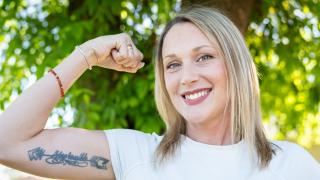
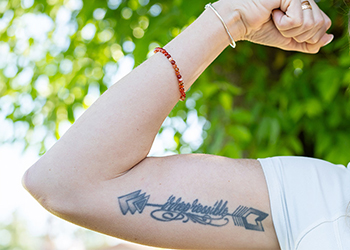
Three arrows etched into Nicole Schulz's right arm quiver as she flexes her bicep. They are bound together by a single word.
Irrepressible.
"In archery, the stronger the force that pulls an arrow back, the stronger force it has shooting forward," says Schulz, 34, who was diagnosed with acute myeloid leukemia in 2005 when she was a high school freshman.
"Everything that I've gone through has taught me, the harder the suffering, the bigger the blessing.”
“Irrepressible” is the mantra Schulz invokes as she copes with the less-talked-about parts of cancer survivorship.
She is one of nearly 19 million cancer survivors dealing with the complicated aftermath of this diagnosis. Those three words — “you’re in remission” — don’t quiet the body and mind the way people expect.
There is no clean break. No moment where life simply resumes.
“It's not over when you beat cancer,” says Schulz. “It’s a lot of ups and downs, and the challenge when you're in the valleys is to remember to keep climbing back up to those peaks.”
Many survivors navigate those years with little support. At City of Hope, care is built around the recognition that survivorship is not a finish line, but a continuum, with services like targeted screening, rehabilitation, pain management, and fertility support built into that care.
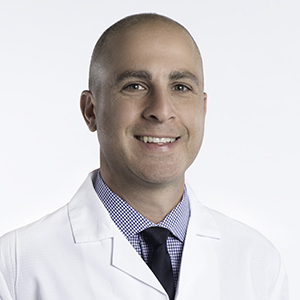
“It surprises some people to learn that cancer survivors need proactive care even after treatment ends,” says Saro H. Armenian, D.O., M.P.H., City of Hope Barron Hilton Chair in Pediatrics. “Unfortunately, cancer survivors face significantly higher risks of chronic conditions such as heart disease, secondary cancers and cognitive decline.
“I believe this is one of the most pressing and preventable challenges in cancer care today; and it’s only becoming more important as people are diagnosed younger and living longer.”
Long-term Effects
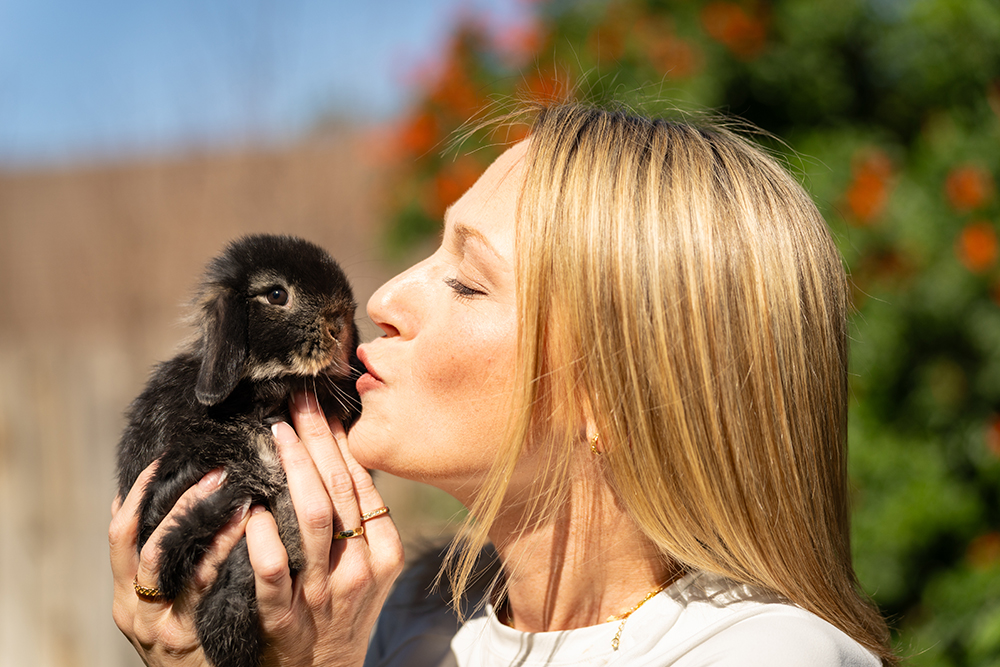
On a sunny day in March, in her backyard surrounded by animals — ducks, chickens, bunnies, and geckos — Schulz ticks through a list of conditions that have shaped her life since treatment ended.
Almost as soon as she began life after cancer, her body started breaking down.
After the first of two bone marrow transplants, she was diagnosed with avascular necrosis, a disease that chews away at the body’s connective tissue.
“I have metal knees,” says Schulz with an ironic laugh. “I love setting off metal detectors now.”
She also lives with chronic graft-versus-host disease, another transplant-related condition in which donor immune cells attack the recipient’s organs, causing ongoing inflammation and damage.
And there are things that are harder to quantify.
“The PTSD and anxiety that comes with long-term survivorship is real,” says Schulz. “Any time I feel a bump or see a mark, I freak out because I think, ‘Oh no, it’s cancer again.’”
Supportive Care for Survivors
Schulz has found solace despite these struggles.
She is clear that her strength — her defiance in the face of innumerable health challenges — comes not just from within, but also from the support she receives at City of Hope.
“It gives me peace of mind, and that allows me to change my entire mindset,” says Schulz. “That’s what sets me up to not only fight, but to truly survive and keep going.”
While she was in treatment, City of Hope’s supportive care medicine program provided social, emotional, mental health, and financial support for her entire family.
Schulz also has a yearly appointment with a unique program at City of Hope called the Childhood, Adolescent and Young Adult Survivorship Clinic. Her cancer treatments have been painstakingly documented, guiding yearly evaluations designed to get ahead of health issues that tend to affect survivors.

“We have a saying, ‘When we take a patient’s hand, we don’t let go,’ which means we are focused on patients thriving even after treatment ends,” says Dr. Armenian. “Our care is also evidence-based and highly personalized, with recommendations based on each survivor’s unique treatment history and risk profile.”
The yearly survivorship appointment for Schulz, and other patients who participate in the program, has become an anchor.
“They know everything, including how much chemo, how much radiation, what medications I’ve taken, everything I’ve gone through,” says Schulz. “They can look ahead to make sure those things aren’t becoming a problem.
“It eliminates so much fear and so much blind navigation and worry about ‘What am I going to do? How is this going to affect me?’ It’s peace of mind.”
Recently Schulz was diagnosed with squamous cell carcinoma, a type of skin cancer that bubbled up on her lip. It was caught early and addressed quickly by her care team at City of Hope.
“I have been through things that people would never experience,” Schulz says. “And it’s given me a different outlook on life.”
A Survivor Becomes a Mother
One thing medicine could not predict happened during the COVID-19 pandemic.
After years of being told that the chemotherapy and radiation required to save her life had likely taken something else from her — the ability to have children — Schulz found out she was pregnant.
For a few moments at least, those three words — “you are pregnant” — erased the years of suffering that came with the words, “you have cancer.”
She and her fiancé named their son, who's now 5, Kaiden, which means “fighter.”
“I knew if I was going to have a kid, they’d need to be tough,” says Schulz. “I want him to have that same mentality, to never give up, no matter what he’s facing.”
Survivorship, she has learned, is not a single moment or a milestone you pass. It is a second chapter that is shaped by everything that came before it.
The arrows on her arm still point forward.
Toward climbing those peaks. Toward remaining irrepressible.