Sidney Raskind article 2

Turning Loss Into Action: Sidney Raskind’s Mission to Raise Stomach Cancer Awareness

Sidney Raskind, an online content creator with millions of followers, is using his platform to share his stomach cancer journey.
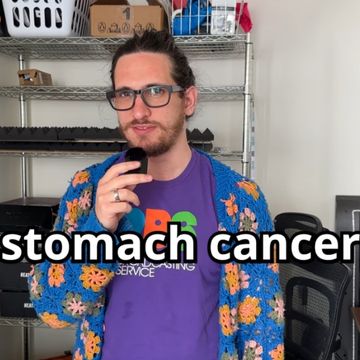
Sidney Raskind
Sidney Raskind using his platform to share his stomach cancer journey.
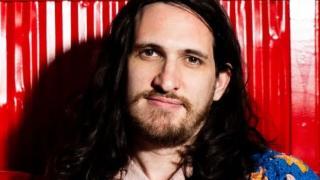
Sidney Raskind, 36, has built a career by being online. Sharing simple and fun life hacks he refers to as “things he didn’t know before his 30s,” Raskind has amassed millions of followers on platforms like TikTok, Instagram, and YouTube. When he found out he had stomach cancer earlier this year, he decided to share that important information to his audience, too.  

“I didn't feel like I really had a choice so much as a responsibility and a divine need to tell people,” explained Raskind. “I also wanted to share it because I had never heard about it before, and I didn't know that it was possible to live without a stomach.”

In the months since his diagnosis and subsequent stomach removal, Raskind has been an open book, vlogging his experience and advocating for stomach cancer awareness on the social media platforms that have made him famous.

“This is a cancer that is underfunded and under-researched and not preventable, but there's a lot of genetic testing that can lead to knowing your risk, and I want people to know about it,” he said.

A Life-Saving Tragedy

Sidney Raskind welcome home sign
Sidney Raskind in front of 'Welcome Home Daddy!' sign.

Raskind’s cancer journey did not begin with symptoms — he had none — or even a diagnosis, but with the tragic loss of his unborn daughter. In fall 2024, he and his wife Kelsie made the painful decision to terminate their pregnancy at 24 weeks when it was revealed the baby wasn’t growing a proper brain due to a congenital birth defect called holoprosencephaly. DNA testing failed to find a reason for the holoprosencephaly, but it did reveal their daughter had a deletion of the gene CTNNA1.

“My wife and I both got a genetic test, and it was found that I had the CTNNA1 gene mutation, too,” remembered Raskind. “The genetic counselor told us we should go to City of Hope and get an endoscopy to see if I had stomach cancer.”

CTNNA1 is a gene that acts as a tumor suppressor. Mutations in the gene are linked to an increased risk for some cancers, including diffuse gastric cancer that grows and spreads within the lining of the stomach, and lobular breast cancer, which Raskind’s mother passed away from when he was 25.  

After receiving an upper endoscopy with Gregory E. Idos, M.D., a board-certified gastroenterologist and trained cancer geneticist at City of Hope’s National Cancer Center in Duarte, California, in March 2025, Raskind was diagnosed with early stage diffuse gastric cancer.  

“It all leads back to losing my daughter,” Raskind said. “Because of the gene deletion found in her DNA, I was able to find out I had cancer and do something about it.”

Only One Option

Yanghee Woo, M.D., director of the Gastroenterology Minimally Invasive Therapy Program at City of Hope® Orange County Lennar Foundation Cancer Center
Yangee Woo, M.D.

Luckily for Raskind, City of Hope has a team of multidisciplinary experts in gastric cancer, including specialists in the genetics of stomach cancer and surgeons who have pioneered robotic surgery for the disease, like Yanghee Woo, M.D., an internationally renowned surgeon and scientist who is director of the Gastroenterology Minimally Invasive Therapy Program at City of Hope.  

“There was a pretty intense two-week period where my wife and I tried to figure out how to deal with the diagnosis, but when the genetic counselor told us you need to remove the stomach, we thought that was insane,” remembered Raskind.  

He said multiple conversations with Drs. Idos and Woo eventually helped convince them that stomach removal was the only option.  

“I tried to bargain with Dr. Idos, seeing if he would just surveil me, but he said I was young, with a family, and there was no point in risking it,” said Raskind, who has a three-year-old daughter. “And Dr. Woo was incredible; she literally spent hours on the phone with us.”

Stomach cancer is insidious and can develop into an advanced stage without many symptoms, particularly in younger patients. A total gastrectomy — the removal of the entire stomach — is the recommended procedure for both prevention of stomach cancer in patients with pathogenic genetic mutations such as CTNNA1 and a curative therapy for very early cancerous cells in the stomach.  

“We had many discussions addressing his concerns about life without a stomach and the timing of surgery versus endoscopic surveillance, which could miss cancer development,” said Dr. Woo. “Sidney and Kelsie and I agreed that surgery to remove his risk of more advanced stage gastric cancer was the correct one for him.”  

Because his cancer was still at an early stage, Raskind took a few months to adjust to the idea of losing his stomach. In July 2025, he had a total gastrectomy using a leading-edge, robotic approach that uses smaller incisions, often resulting in less blood loss, less pain and faster recovery. 

“While I have performed over 500 robotic gastrectomies for cancer, Sidney was my first patient with CTNNA1,” said Dr. Woo. “We made the right decision, as evaluation of his resected stomach demonstrated early cancer development associated with signet ring cells, which are associated with more aggressive cancers.” 

Moving Forward

Sidney Raskind in hospital bed
Sidney Raskind in the hospital for his stomach removal.

When a stomach is removed, the patient’s esophagus is reconnected to the small intestine, which takes over the main functions of digestion. Raskind said the surgery and subsequent recovery has been a lot easier than he expected.  

“I had to learn how to drink water differently and consume food differently — the speed is really the thing,” explained Raskind, who now takes a handful of daily supplements to support his health. “But it’s been incredibly easy compared to what I thought it was going to be.”

He said the emotional support he received at City of Hope along the way also helped him through some tough days.

“I was so thankful and relieved that every single person, from the most important surgeon removing my stomach to the phlebotomist, understood that it's okay to not be okay,” Raskind said. “That was very disarming and relaxing for me.”

Now, five months post-gastrectomy, he is feeling pretty good.  

“As far as we can tell, there’s no lymphatic spread and I’m cancer-free,” revealed Raskind. “I feel timid saying that, but I think that's just because I don't want to be destroyed down the line. But in terms of everyone else that I've talked to that was at this stage has lived a full and healthy life so it's very, very exciting.”

Getting the Word Out

Sidney Raskind and his wife, Kelsey.

To help others who might be experiencing a new diagnosis or who are at risk for stomach cancer, Raskind continues to talk candidly about his experiences online. He vlogged the day of his surgery and in the days immediately after, and often answers both serious questions on his platforms regarding the specifics of his treatment and others that are more curious, like, “Can you still burp without a stomach?” (The answer is yes.)

He has also used his online platform to raise money for gastric cancer research.  

“We recently raised $75,000 and donated a big chunk of that to City of Hope and Dr. Woo, because they crushed it. They saved my life,” said Raskind, who has also made donations to other research organizations around the country.

“I’m very happy to see Sidney recovering from his surgery and entering his new phase in life without a stomach with passion and conviction,” said Dr. Woo. “I believe that his life free of cancer is a gift from the baby he and Kelsie lost.”

Raskind has also participated in some speaking engagements and is a big advocate for genetic testing, especially in young people.  

“Find out the reason your aunts and uncles or grandmother or parents got cancer, because a lot of these things can be tracked to a gene deletion,” said Raskind. He noted that while a lot of young people don't want to approach potential health risks, the earlier you act, the easier it can be to recover.

“Sidney faced his diagnosis with extraordinary courage and openness,” said Dr. Idos. “By sharing his story, he’s inspiring others to pursue genetic testing — steps that can lead to early detection and truly save lives. His strength, optimism and remarkable recovery remind us that awareness and action can turn fear into hope.”

When he’s not busy encouraging others to learn about their family history, or giving useful life tips online, Raskind and his wife are enjoying spending time with their toddler and renovating their home.  

“We just had the worst year of our lives, so we’re really looking forward to the next part where we can have issues that don’t involve dying,” said Raskind. “We have a lot of hope for just being more normal and it’s really exciting.” 

If you or a loved one is concerned about possible signs or symptoms of cancer and would like an initial appointment or a second opinion, call us 24/7 at (833) 902-5220.

Subscribe to our
CancerCenter Newsletter

Thank you

Keep an eye on your inbox for the latest City of Hope news and research breakthroughs. If you have previously subscribed to receive email communications, your preferences have been updated.