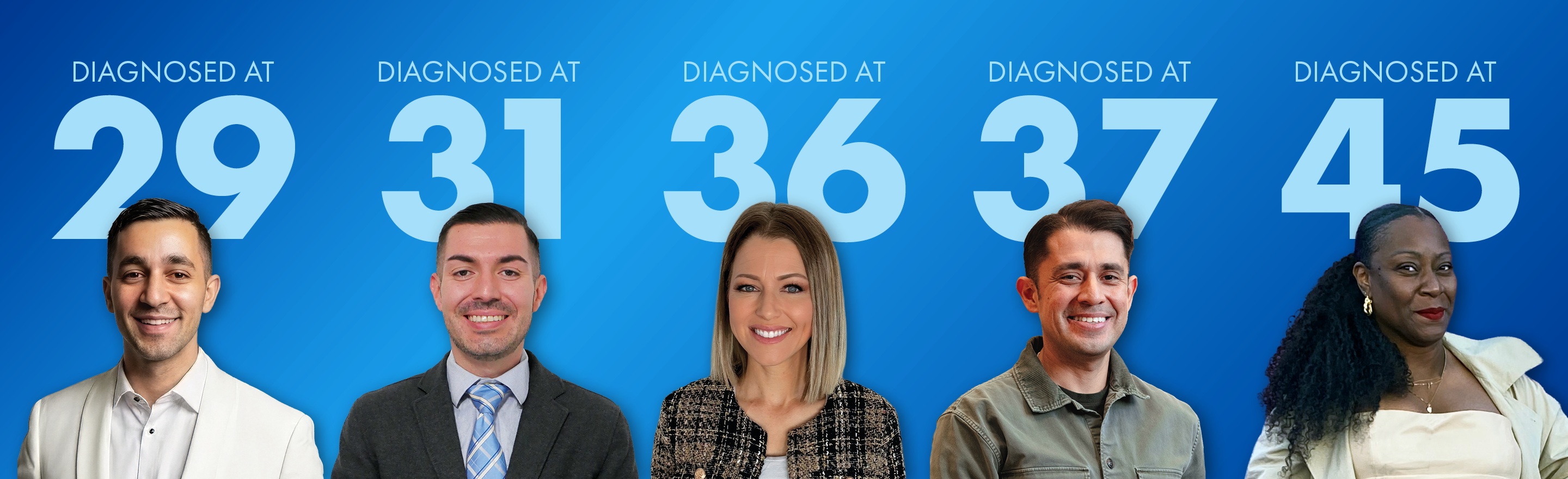
The Younger Face of Colorectal Cancer
Colorectal cancer, long associated with older adults, is being diagnosed with increasing frequency and severity in people under 50. Researchers at City of Hope, one of the nation’s largest and most advanced cancer research and treatment organizations, are shedding new light on this concerning trend.
The Numbers Underscore the Urgency
- Approximately 10 percent of people diagnosed with colorectal cancer are younger than 50.
- Colorectal cancer is now the leading cause of cancer-related deaths in people under 50, jumping from the fifth most common cancer death in the early 1990s to the first in 2023.
- Three-fourths of these younger patients are diagnosed with advanced disease.
- Physicians across City of Hope’s national system are seeing a rise in patients under 50 with colorectal cancer.
Even so, progress is being made. Innovative therapies are offering new hope as researchers race to find the underlying cause; a promising blood test in development at City of Hope could be a paradigm shift in the way colorectal cancer is detected.
What to Know About the Younger Face of Colorectal Cancer
Physicians note that they are treating more newly diagnosed young patients each week, some in their early 20s. Many of these patients experience delays in diagnosis due to symptoms being misattributed to hemorrhoids or pregnancy-related changes, especially since current screening guidelines begin at age 45.
“Just because you’re having some bleeding doesn’t mean it’s cancer — but it’s also not normal and you need to be checked out. Every young patient I’ve ever diagnosed with colon or rectal cancer was told they had hemorrhoids,” said Lance Uradomo, M.D., M.P.H., Interventional Gastroenterologist, City of Hope Orange County.
A majority of early-onset cases occur on the left side of the colon or in the rectum. Experts believe these tumors develop and progress much faster than in older patients.
The reason behind the uptick in early-onset disease is still uncertain. Researchers believe it is multifactorial, including lack of physical activity, the microbiome, microplastics, ultra-processed food, alcohol intake at a young age, among others. Notably, the cause is not obesity alone, as many patients physicians see are fit and otherwise healthy.
Colorectal cancer remains largely preventable if detected early, yet most young adults fall outside current screening protocols. Even among those eligible, only about two-thirds have ever undergone a colonoscopy. New blood and stool-based tests such as Cologuard are helping detect disease earlier, but researchers say more definitive, age-adapted screening tools are urgently needed.
Among the most promising is a blood test developed by City of Hope’s Ajay Goel, Ph.D., which is specifically designed to find colorectal cancer early; it is found to have 90 percent accuracy. The first viable tool for detecting early disease in asymptomatic adults, this single, inexpensive assay could change testing practices. It is possible for people as young as 18 to be tested during an annual exam, long before symptoms appear.
“If you detect colorectal cancer early — at stage 1 or at the advanced polyp stage — it is nearly 100 percent curable. But right now, young people today are being diagnosed late, often with stage 3 or 4 disease,” Goel says.
The Faces of Colorectal Cancer

diagnosed at age 29
"I was 29 years old—and people kept saying, ‘You’re so young, why are you here?"
Faratzis knew something was wrong long before he met the standard profile for colorectal cancer screening. He was well below the recommended age of 45, and he had no family history of the disease, but his persistence saved his life. “Know your body and push for answers,” Faratzis says.

diagnosed at age 31
"Cancer was the last thing on my mind when I was 31."
Ruiz was just 31 when symptoms he initially brushed off led to a life-threatening diagnosis of colorectal cancer linked to Lynch syndrome. I woke up from a colonoscopy and the doctor said, "You have cancer," Ruiz says. “In an instant, my world turned upside down."

diagnosed at age 40
"As I struggled with all the cancer treatments, I regretted not getting checked sooner."
As Laborde navigated colorectal cancer, she faced unexpected challenges like neuropathy and debilitating fatigue — side effects she believes younger patients experience differently. “Being diagnosed in your 40s is very different,” Laborde says.

diagnosed at age 42
“I knew I needed to fight this and win. I had to stay positive and take action.”
Like many otherwise healthy adults, Thompson tried to push through his symptoms by himself until the pain became too much to bear. “When you’re young, cancer just isn’t on your radar,” Thompson says. “Despite my family history of colorectal cancer, I never imagined I could face the same diagnosis in my early 40s.”

diagnosed at age 26
“They told me it was just pregnancy symptoms, but I knew something was wrong.”
Aubuchon was diagnosed with colorectal cancer just five days before her 27th birthday and only four months postpartum. She urges young people — especially pregnant women — to advocate fiercely for their health. “If something doesn’t feel right, speak up and make sure you are heard, because it could save your life.”

diagnosed at age 36
“Colorectal cancer is on the rise in younger adults. If something seems off, keep pushing for answers.”
Now a 37-year-old mother of three, Zappia never imagined her symptoms were signs of colorectal cancer. She successfully completed intensive treatments and multiple surgeries while continuing to raise her children. Her message to others: “Stay focused on the goal. You are stronger than you think.”
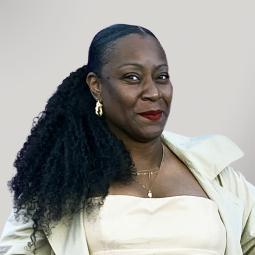
diagnosed at age 45
“I was living a high-octane life. When they told me they found cancer, I barely heard anything else.”
Mike, a 48-year-old creative executive, survived a stage 3 colorectal cancer diagnosis following routine gynecologic surgery. “One thing we're learning about colorectal cancer, in addition to it impacting younger adults, is that the numbers are increasing for Black women,” Mike says. “It's important for communities to see a wide range of people who have experienced the disease.”

diagnosed at age 45
“I went overnight from seemingly healthy to being a stage 3 cancer patient.”
When McCants went for her first screening colonoscopy at the age of 45, she had no symptoms. Blindsided by a diagnosis of colorectal cancer, It took all her strength and hope to successfully navigate treatment. Today, McCants tells everyone she can to get their colonoscopies done on time and know their family history. “A lot of families don’t talk about cancer, but it’s important to know if there is a pattern among your relatives.”
Treatment Advances Offering New Hope
City of Hope researchers and clinicians are pioneering new treatment approaches targeting the biology of colorectal cancer, with promising results.
- A major effort focuses on balancing treatment efficacy and toxicity. A new Phase 2 study is testing a combination of standard chemotherapy with two immunotherapies that help the immune system spot and attack cancer cells. The trial is the first to test this specific combination of novel immune checkpoint inhibitors in people just diagnosed with early-stage rectal cancer. This could allow patients — especially younger adults — to preserve fertility, sexual function and long-term bowel and bladder health.
- A new study shows encouraging early results for a drug called ADG126, used together with pembrolizumab (Keytruda), in treating microsatellite-stable (MSS) colorectal cancer, which usually does not respond to immunotherapy. In the study, about 29 percent of patients saw their tumors shrink and many also experienced fewer side effects. This regimen is now progressing into a randomized phase 1 trial and holds potential to redefine treatment for this kind of colorectal cancer.
Hear some of City of Hope’s leading colorectal cancer experts discuss early onset colorectal cancer.
Meet the Experts
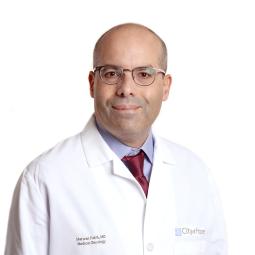
Deputy Director, City of Hope Comprehensive Cancer Center; Division Chief, Gastrointestinal Medical Oncology
“At City of Hope, we have more than a dozen clinical trials — many of them homegrown — that are opening new doors in immunotherapy, identifying biomarkers of response, and even exploring radiation-sparing approaches that can dramatically improve quality of life for people with colorectal cancer. These innovative studies reflect our commitment to tackling unmet needs and giving every patient, no matter their age, more effective and less life altering treatment options.”
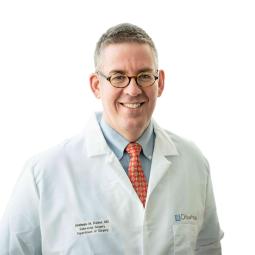
Chief, Division of Colorectal Surgery
“We are in the midst of an era of tremendous breakthroughs in the understanding and treatment of colorectal cancer. Our patients often have consulted with cancer centers throughout the country, but they elect to come to City of Hope for their surgery and treatment because we analyze every individual situation in a multidisciplinary team and push the envelope where others might stop.”
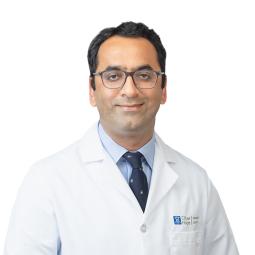
Medical Director of Gastrointestinal Medical Oncology, City of Hope Orange County
“The reasons for this are multifactorial. Genetics explain only a fraction. What we’re seeing is much more nurture than nature. Despite being young and otherwise healthy, these patients have tumors that are more aggressive. These are biologically different tumors. Yet, even in stage IV colorectal cancer, cure is still on the table with the right multidisciplinary approach and next-generation immunotherapies are offering hope to the 85-90 percent of patients who historically didn’t respond.”

Professor and Chair, Department of Molecular Diagnostics and Experimental Therapeutics
“Conventional wisdom is that colon cancer takes 10 to 15 years to grow. But if a 12-year-old is getting that cancer, they have not even lived that long. This is why we think that early-onset colon cancer is a different form of colon cancer, which is more aggressive. The biology is different, the genes involved are different. That's why they're a lot more aggressive.”

Chair, Department of Supportive Medicine
“Our younger patients are in the building stages of life, planning or beginning families and careers, so this is a particularly challenging time to receive a cancer diagnosis. Our responsibility extends far beyond treatment alone. We offer critical support and assist with emotional, physical and practical challenges, strengthen couples to optimally face this crisis, offer fertility preservation guidance, survivorship care, and resources to reclaim their lives after cancer.”

Chief, Division of Surgical Oncology, Department of Surgery
“For younger adults, colorectal cancer is often diagnosed later because symptoms are dismissed or misunderstood. When the disease is caught early, surgery alone can be curative. Our focus is on precision, minimally invasive surgery that removes the cancer while preserving fertility, bowel function and quality of life — so patients can return to their lives as fully as possible.”
Our Southern California Programs
If you are diagnosed with colorectal cancer, we’re here to help.