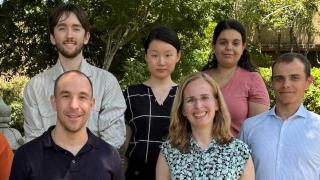
Jovanovic-Talisman Lab
Research Lab Overview
The Jovanovic-Talisman Lab within Beckman Research Institute of City of Hope employs novel, quantitative imaging techniques and nanobiology to investigate biological mechanisms, develop new diagnostic assays, and advance therapeutics.
Quantitative super-resolution fluorescence microscopy method development
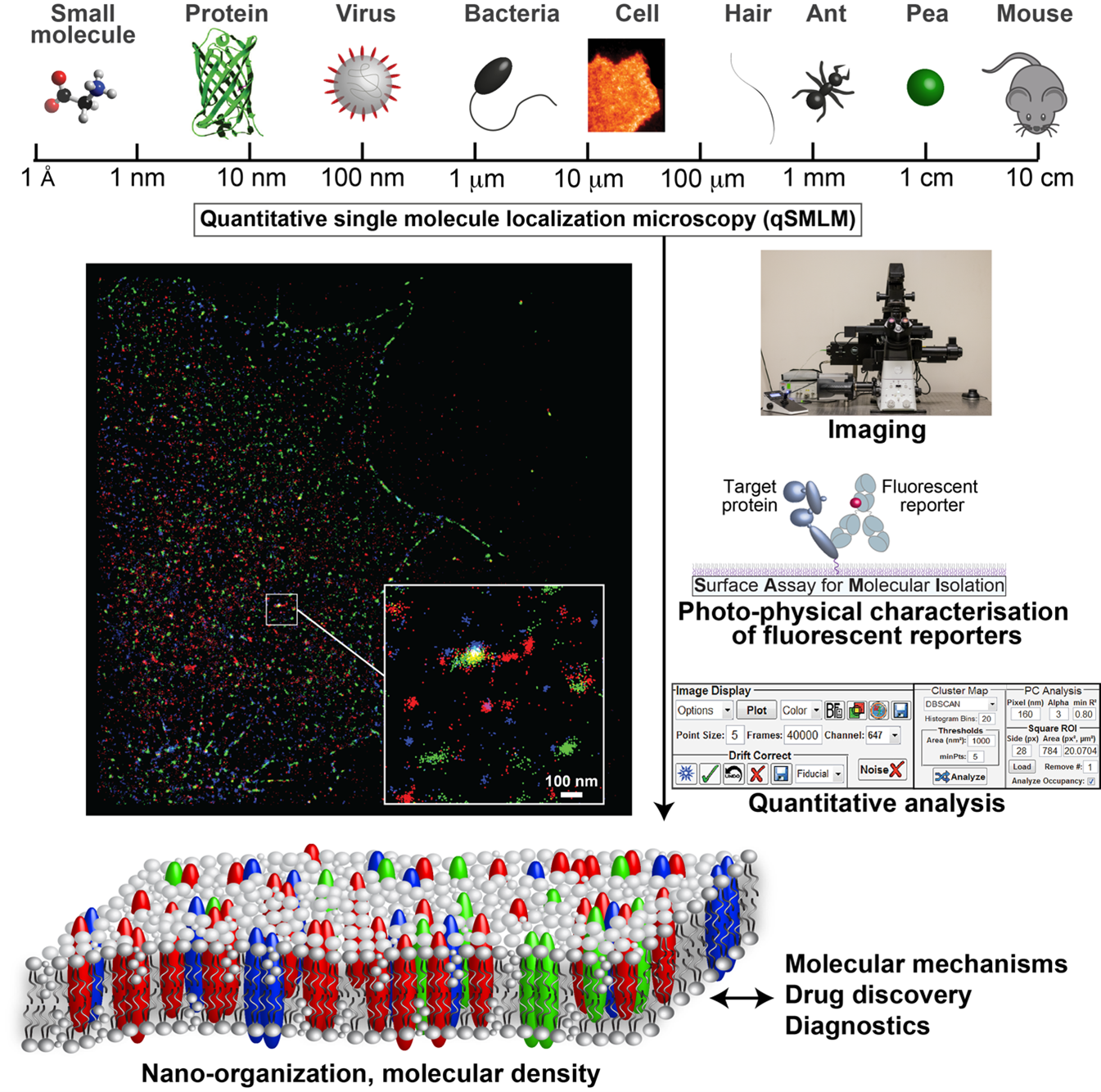
Rogacki, Golfetto et al., Traffic, 2018, 19, 690
To investigate biological processes that drive the progression of cancer and other diseases, we employ super-resolution fluorescence microscopy methods such as quantitative single molecule localization microscopy (qSMLM). This cutting-edge imaging method evaluates single molecules with nanoscale precision. In typical qSMLM experiments, target molecules are detected with fluorescent reporters (e.g., optical highlighter proteins or antibodies labeled with photoswitchable dyes). Because these imaging probes exhibit complex photophysical behaviors (cycling between “on” and “off” states), we developed a Surface Assay for Molecular Isolation (SAMI) to achieve robust molecular counting. We apply SAMI and other methodological innovations to elucidate key biological mechanisms and to support the development of novel diagnostic and therapeutic strategies.
Advancing super-resolution fluorescence microscopy for molecular diagnostics
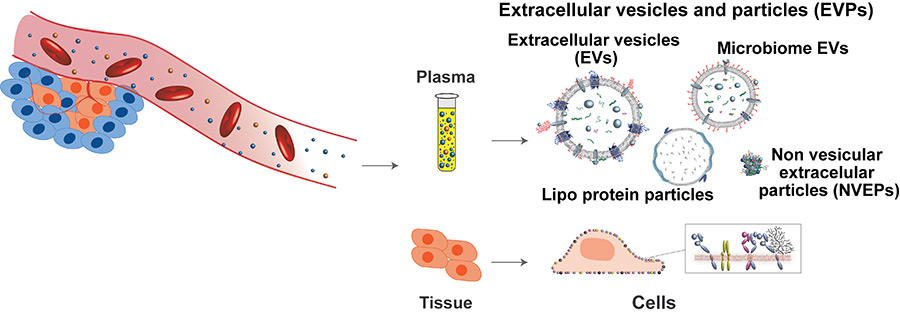
We advance super-resolution microscopy methods to assess patient specimens, including cells from excised tissues and extracellular vesicles and particles from biofluids.
Extracellular vesicles and particles (EVPs) released by cells play critical roles in both normal physiological processes and the pathogenesis of various diseases. Since these nanoscopic structures carry molecular signatures reflective of their cells of origin, respond rapidly to changes in cellular status, and can be readily isolated from accessible biofluids, they represent promising candidates for disease biomarkers. However, EVPs are highly heterogeneous in size, composition, and biogenesis. Further confounding their analysis, biofluids are complex mixtures that contain EVPs derived from multiple cell types.
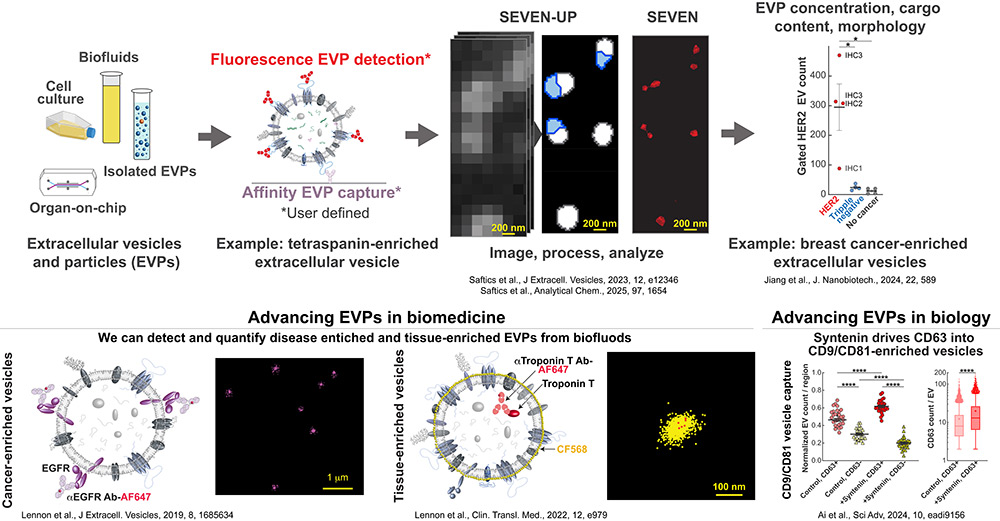
To address key challenges in the EVP field, we are developing advanced imaging platforms. We recently integrated affinity capture and super-resolution microscopy to enable characterization of individual EVPs. The Single Extracellular VEsicle Nanoscopy (SEVEN) and SEVEN-Universal Protocol (SEVEN-UP) platforms can detect both “general” EVP subpopulations and tissue- or disease-enriched EVPs carrying specific molecular markers. SEVEN and SEVEN-UP offer high capture efficiency, a broad linear dynamic range for EVP quantification, and compatibility with crude biofluids. Moreover, these platforms provide molecular sensitivity for EVP cargo detection, resolve EVP morphology across their full biological size spectrum, and reveal population heterogeneity. Collectively, these capabilities advance EVPs in biomarker research and mechanistic studies.
Wakefield, Tobin et al., Methods Mol. Biol., 2022, 2394, 231
Maddox et al., Cancers, 2022, 14, 2795
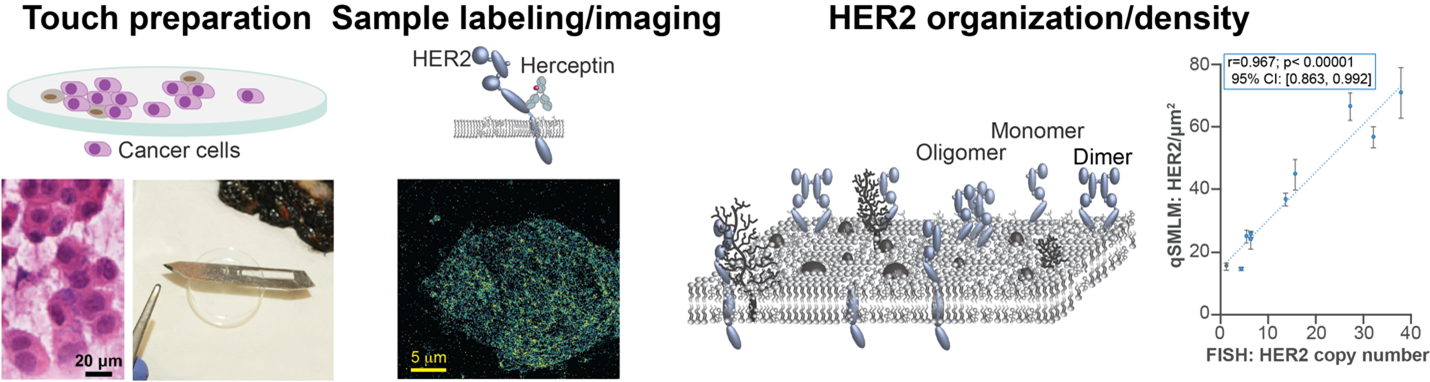
We apply advanced qSMLM methods to quantify both the density and nano-organization of membrane receptors. Our current efforts focus on analyzing transmembrane glycoproteins. Using fluorescently labeled therapeutic antibody, trastuzumab, we recently quantified human epidermal growth factor receptor 2 (HER2) expression in breast cancer cells. By combining qSMLM with tissue touch preparation, we enabled high-resolution analysis of human tumor samples. We also developed a streamlined analytical pipeline and custom algorithms for rapid data analysis, allowing quantitative results to be obtained within a single day. Results from these studies demonstrated a significant correlation between classical HER2 screening method (i.e., fluorescence in situ hybridization, FISH) and qSMLM-based HER2 quantification. Moreover, our findings demonstrated that therapy response was associated with high HER2 density and receptor clustering. In the future, qSMLM could complement existing diagnostic standards by providing molecular-level insights into receptor organization and therapeutic response.
Associate Professor, Department of Molecular Medicine
Research Focus
- Quantitative single-molecule localization microscopy
- Quantitative biology
- Extracellular vesicles
- Nucleocytoplasmic transport
Lab Members
Sarah Abu-Elreich graduated from University of California, Davis
...
Sarah Abu-Elreich graduated from University of California, Davis in 2011 with a bachelor’s degree in genetics. Post-graduation, she worked as a research assistant in the Stem Cell Unit in Riyadh, Saudi Arabia. Her previous interests focus on deciphering implicated pathways in osteogenic, adipogenic, and chondrogenic differentiated human mesenchymal stem cells. After numerous successful publications, Sarah pursued a master’s degree at the Cancer Research Lab of Jason Bush, Ph.D. at California State University, Fresno in 2017. The aim of her thesis research was to better understand the dysfunction of the HER2 signaling pathway in breast cancer. In 2019, she earned a Master of Science in Biology with Honors. As a graduate student of City of Hope’s Irell & Manella Graduate School of Biological Sciences, Sarah is conducting her dissertation research in the laboratory of Tijana Jovanovic-Talisman, Ph.D. developing and utilizing methods to characterize cargo of extracellular vesicles using quantitative single molecule localization microscopy towards diagnostics applications.
Sarah Abu-Elreich
Irell & Manella Graduate School of Biological Sciences PhD Student
626-256-HOPE, ext. 65598
[email protected]
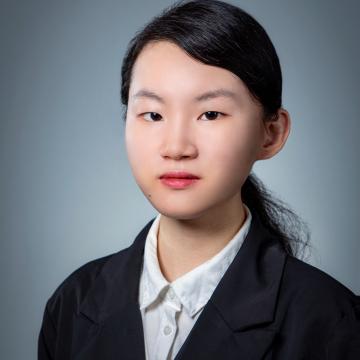
Nan Jiang graduated with a Bachelor of Science in Pharmacy
...Nan Jiang graduated with a Bachelor of Science in Pharmacy (Biochemistry and Pharmacology) from China Pharmaceutical University and with Bachelor of Science in Biochemistry and Pharmacology with first class honors from the University of Strathclyde, UK. She obtained Master of Science in Translational Medicine form a joint program between the Keck Graduate Institute and Irell & Manella Graduate School of Biological Sciences at City of Hope. Currently, she is a Ph.D. graduate student in translational medicine at City of Hope’s Irell & Manella Graduate School of Biological Science. Her PhD thesis in the lab of Dr. Jovanovic-Talisman is focused on characterizing extracellular vesicles from cancer cells for ultimate diagnostic applications.
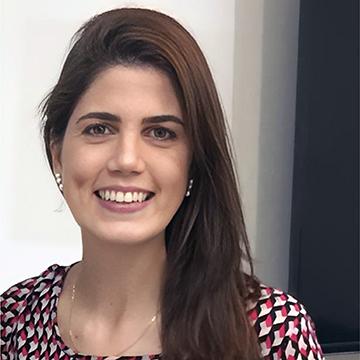
Carinna Lima earned her M.Sc. degree in 2014 and her Ph.D. degree
...
Carinna Lima earned her M.Sc. degree in 2014 and her Ph.D. degree in 2019, both in Cellular and Molecular Biology from the University of Pernambuco, Brazil. During her academic journey, she became a member of the Biophysics-Chemistry group led by Professor Adriana Fontes. Her primary research focus was biophysical immunology, with a special emphasis on developing and applying nanoprobes (Quantum dots) to study proteins and cellular behavior in hemoglobinopathies. In 2019, she extended her research as a postdoctoral fellow at the Biomedical Engineering Group of the Federal University of Pernambuco (UFPE), Brazil. At that time, her research expanded towards employing optical tweezers to study the role of proteins on the innate immune system in biophysical properties of red blood cells. In 2023, Carinna embarked on a new phase in her career as a postdoctoral fellow in the Jovanovic-Talisman Lab. In this role, she is using super-resolution microscopy techniques to investigate protein organization within the plasma membrane. Her research aims to uncover potential therapeutic strategies for addressing alcohol use disorders.
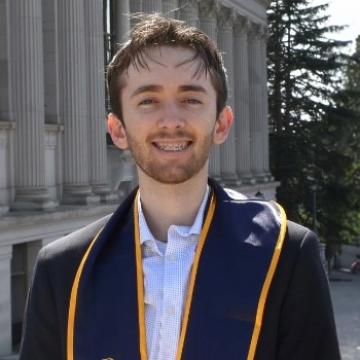
Benjamin's journey in biology began at Pasadena City College,
...
Benjamin's journey in biology began at Pasadena City College, where he enrolled in biotechnology courses. He volunteered in Dr. Ali Khoshnan's lab, studying how the microbiome affects Huntington's disease using Drosophila. Through the CIRM bridges program, he researched inflammatory bowel disease at Children's Hospital Los Angeles under Dr. Mark Frey.
Benjamin completed his bachelor's in Molecular Biology at UC Berkeley, working in the Advanced Bioimaging Center under Dr. Gokul Upadhyayula, sparking his passion for imaging sciences. Now a graduate student in Professor Tijana Jovanovic-Talisman’s lab, Benjamin employs advanced imaging to analyze extracellular vesicles.
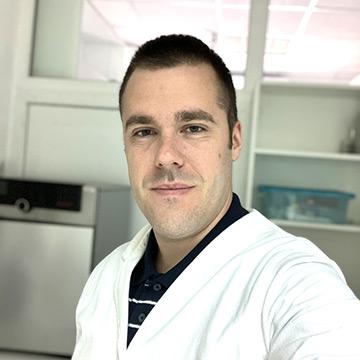
Dr. Mihajlo Radmilović earned his B.Sc. degree in Molecular
...
Dr. Mihajlo Radmilović earned his B.Sc. degree in Molecular Biology and Physiology in 2017 and his M.Sc. degree in Biophysics from University of Belgrade, in 2018. He obtained his Ph.D. in Biophotonics from the University of Belgrade in 2025.
His primary research interests lie at the intersection of optics and biology, with a focus on imaging techniques, two-photon excitation fluorescence (TPEF) microscopy, and flow cytometry.
Dr. Radmilović’s doctoral research explored the interactions between ultrashort laser pulses and hemoglobin, the application of label-free imaging in studying red blood cells, and the optical and biophysical properties of blood cells under various pathological conditions. His work also includes examining the fluorescence, optical, and mechanical properties of in vitro oxidized red blood cells, as well as red blood cells from patients with type 2 diabetes mellitus.
In 2022, Dr. Radmilović was at the Karolinska Institute (Stockholm, Sweden), where he received advanced training in fluorescence correlation spectroscopy (FCS) for biomedical research under the supervision of Prof. Dr. Vladana Vukojević at the Center for Molecular Medicine. In May 2024, he completed a research training program at Hokkaido University (Sapporo, Japan), in the Laboratory of Cellular and Molecular Sciences, School of Advanced Life Science, under the supervision of Dr. Akira Kitamura.
In 2025, Dr. Radmilović joined the Jovanovic-Talisman Lab as a postdoctoral fellow, where his research focuses on the application of super-resolution fluorescence microscopy techniques to investigate the properties of extracellular vesicles. His work aims to develop novel analytical methodologies and identify biomarkers for diagnosis and monitoring of cancer and other life threatening diseases.
Alumni
Our Publications
Contact Information
34.1293487, -117.9726643
Duarte, CA 91010