Leukemia cells grow out of control and hide from the immune system, the body’s natural defense mechanism against cancer. A new City of Hope preclinical study published in Cell Reports Medicine reveals how leukemia weakens the ability of the immune system to detect and fight the disease.
This City of Hope discovery could explain why some children and adults respond to treatment better than others and offers a new way to identify patients at increased risk of relapse so clinicians can treat them more effectively.
Looking Beyond Cancer Cells
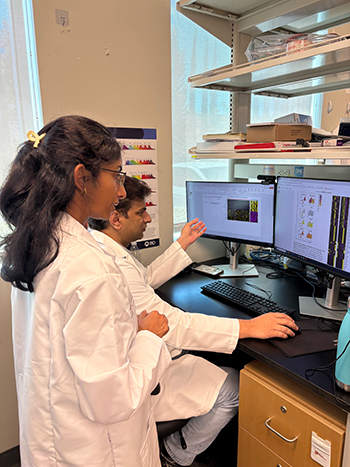
For years, scientists have focused on the leukemia cells driving disease. Our City of Hope team looked elsewhere. We examined healthy immune cells surrounding the cancer and found something striking.
In patients with acute lymphoblastic leukemia (ALL), immune dendritic cells that normally activate the body's cancer-fighting response were stuck in an immature state. Rather than sounding the alarm needed to mount an attack against leukemia, these cells sent weaker signals, leaving the immune system less able to respond.
Leukemia, in other words, grows and actively disarms its opponent. We identified that MYC, a gene expressed at high levels in leukemia cells, contributes to dendritic cells not working properly.
A Clue to Patient Outcomes
Most important was our discovery that the state of blood and bone marrow dendritic cells predicted how well a patient would respond to standard chemotherapy. So, the health of a patient's immune system at diagnosis may help forecast treatment outcomes and eventually guide care.
Our findings suggest that leukemia is not only a disease of cancer cells growing out of control. The disease also affects the immune system around it, weakening the body's ability to recognize and fight back.
Ultimately, this City of Hope research points toward a future where a simple dendritic cell test at diagnosis could flag which patients need more than standard therapy, opening the door to treatments that restore immune function and keep leukemia from coming back.
About the Author

Srividya Swaminathan, Ph.D., is an associate professor in the Departments of Systems Biology, Pediatrics, and Hematologic Malignancies at City of Hope. Her research focuses on understanding how leukemia interacts with the immune system and how those interactions can be leveraged to develop more effective treatments for patients.
Funding
This work was supported by grants from Blood Cancer United, the American Society of Hematology, Norman and Sadie Lee Foundation, PhRMA Foundation, Leukemia Research Foundation, Andrew McDonough B+ Foundation, St. Baldrick's Foundation and Dake Wilson Pediatric Accelerator Fund. The research includes data from NCI-funded clinical trials conducted by the Children's Oncology Group.