
Alberto Pugliese Lab
Research Lab Overview
Type 1 diabetes is a chronic autoimmune disease characterized by the destruction of insulin-producing pancreatic beta cells, resulting in lifelong dependence on insulin therapy. Alberto Pugliese, M.D., and his team aim to understand the mechanisms driving this autoimmune process, focusing on the pancreatic islet microenvironment, immune cell interactions and the factors influencing beta cell vulnerability. Based at the University of Miami for nearly 30 years, his team joined City of Hope® at the end of 2022. His lab has pioneered several advances, including:
- The discovery that insulin gene variants affect thymic insulin expression, immune tolerance and the genetic risk of developing type 1 diabetes.
- The observation that specific human leukocyte antigen (HLA) gene variants, such as HLA-DRB1*15:01-DQA1*01:02-DQB1*06:02, strongly reduce the genetic risk of diabetes. This finding now serves as an exclusion criterion in prevention trials.
- The characterization of HLA associations with disease progression.
- Identifying circulating miRNAs as predictive biomarkers of disease progression before and after diagnosis.
- Evidence that chronic immunosuppression for treating rejection does not always prevent the recurrence of type 1 diabetes in a transplanted pancreas.
- Characterizing mechanisms by which interleukin-2 at a low dosage can selectively promote regulation of the immune system, which could aid in controlling autoimmunity in type 1 diabetes.
- Through our contributions to the activities of the Network for Pancreatic Organ Donors with Diabetes (nPOD), we provide key observations about disease pathology in the pancreas with type 1 diabetes, including extensive assessment of signs of viral infection.
- Through nPOD, our group pioneered the use of organ donor pancreas tissue slices as a novel platform to functionally examine the human pancreas with type 1 diabetes, study islet cell and immune responses, and screen therapeutic agents. Today, we combine advanced human models — such as pancreatic tissue slices — with live imaging and functional assays to investigate how immune responses, viral infections and local signals impact islet function and survival.
- City of Hope established a second nPOD laboratory that enhances our ability to process and distribute organ donor pancreas tissues to researchers around the country as part of the nPOD collaborative network supporting research focused on human type 1 diabetes.
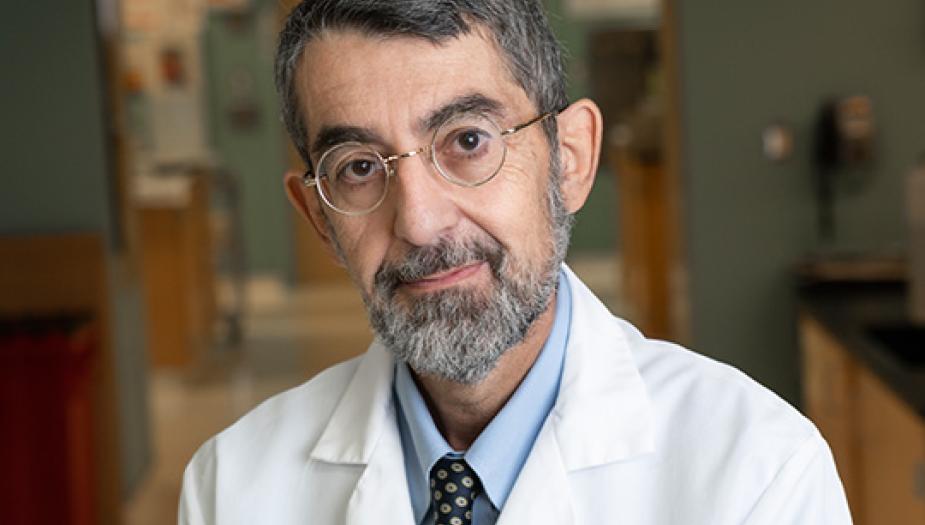
Alberto Pugliese, M.D., is the Samuel Rahbar Chair in Diabetes & Drug Discovery, chair of the Department of Diabetes Immunology and director of The Wanek Family Project for Type 1 Diabetes within the Arthur Riggs Diabetes & Metabolism Research Institute.
Lab Members


Join one of our labs and help us on our mission to save lives.
Research Highlights
The Pugliese Lab has been contributing to the study of human type 1 diabetes for 35 years.
Select Ongoing Studies
Project 1: Diabetes Recurrence in Pancreas Transplantation
This long-term study originated at the University of Miami and continues at City of Hope through the Pugliese Lab in collaboration with George Burke, M.D., a pancreas transplant surgeon at University of Miami who has performed over 400 transplants (1-2). Together, our teams investigate immunological phenotypes associated with the recurrence of type 1 diabetes. Helena Reijonen, Ph.D., City of Hope, is also a close collaborator.
Project 2: Immune Regulation and Beta Cell Regeneration
This is a new study in collaboration with Adolfo Garcia-Ocaña, Ph.D., City of Hope, and Thomas Malek, Ph.D., University of Miami. The goal of this preclinical study in rodent models is to test the efficacy of combined therapies that promote immune regulation (4) and induce the formation (regeneration) of new beta cells (5), to determine whether such a regimen can reverse diabetes and prevent the recurrence of the disease.
Project 3: miRNA Biomarkers in Type 1 Diabetes
Studying well-defined clinical cohorts from major consortia, we have reported that circulating levels of several miRNAs assist in predicting the risk of progressing to clinical type 1 diabetes (3) and the decline of insulin secretion after diagnosis (4). We are conducting studies to identify miRNAs that help predict diabetes risk in early life, which could support primary or early prevention efforts.
Project 4: Network for Pancreatic Organ Donors with Diabetes (nPOD)
Dr. Pugliese serves as executive co-director of nPOD (5). He oversees many collaborative efforts within nPOD aimed at advancing type 1 diabetes research at an expedited pace and with increased scientific coordination by applying Team Science principles (6-8). City of Hope recently established an active nPOD laboratory core site — nPOD West — for donor tissues processing and functional assessments directed by Julia Panzer, Ph.D. Specifically, we process and distribute organ donor pancreatic tissue samples to support nPOD investigators nationwide. We perform hormone secretion and live-cell calcium imaging to compare islet function in healthy type 1 diabetes and autoantibody-positive donors and directly compare the two experimental models: isolated islets and pancreatic tissue slices.
Project 5: Modeling Human Type 1 Diabetes in Pancreas Slices
We use an in vitro model of human type 1 diabetes based on the pancreas tissue slice platform we helped develop for the nPOD community. This project involves collaboration with multiple external investigators, contributing expertise and key reagents, including disease-specific antigen-specific T cells. In modeling the disease, we also set up the stage for studying the impact of selected therapies in the target tissue, which is impossible in patients. For example, we anticipate testing novel RNA aptamers designed to control autoimmunity and promote beta cell regeneration, developed by Paolo Serafini, Ph.D., at the University of Miami. We also collaborate on this study with Juan Dominguez-Bendala, Ph.D., University of Miami, Maki Nakayama, M.D., University of Denver, and Roberto Mallone, M.D., Ph.D., the Cochin Institute in Paris, France.
Project 6: Functional Alpha Cell Heterogeneity
Julia Panzer, Ph.D., investigates how human alpha cells are regulated under physiological conditions and how their function is altered in type 1 diabetes. She combines live-cell imaging and hormone secretion assays using pancreatic tissue slices to monitor response to metabolic and paracrine signals. This approach preserves the native islet microenvironment, allowing detailed analysis of how neighboring beta and delta cells influence alpha cell function (9-11). In parallel, she compares isolated islets, and tissue slices to understand how removal from the native context affects alpha cell behavior. Her studies also examine how islet size impacts function and stress responses, offering new insights into islet heterogeneity and disease vulnerability. In collaboration with Adolfo Garcia-Ocaña, Ph.D., at City of Hope, she integrates functional readouts with gene expression profiles using single-nucleus RNA sequencing to identify distinct alpha cell subtypes. The goal is to uncover how intra-islet communication and transcriptional programs drive alpha cell behavior in health and disease.
Our Publications
- Vendrame F, Hopfner YY, Diamantopoulos S, Virdi SK, Allende G, Snowhite IV, Reijonen HK, Chen L, Ruiz P, Ciancio G, Hutton JC, Messinger S, Burke GW, 3rd, Pugliese A. Risk Factors for Type 1 Diabetes Recurrence in Immunosuppressed Recipients of Simultaneous Pancreas-Kidney Transplants. American journal of transplantation : official journal of the American Society of Transplantation and the American Society of Transplant Surgeons 2016;16:235-245
- Vendrame F, Pileggi A, Laughlin E, Allende G, Martin-Pagola A, Molano RD, Diamantopoulos S, Standifer N, Geubtner K, Falk BA, Ichii H, Takahashi H, Snowhite I, Chen Z, Mendez A, Chen L, Sageshima J, Ruiz P, Ciancio G, Ricordi C, Reijonen H, Nepom GT, Burke GW, III, Pugliese A. Recurrence of type 1 diabetes after simultaneous pancreas-kidney transplantation, despite immunosuppression, is associated with autoantibodies and pathogenic autoreactive CD4 T-cells. Diabetes 2010;59:947-957
- Snowhite IV, Allende G, Sosenko J, Pastori RL, Messinger Cayetano S, Pugliese A. Association of serum microRNAs with islet autoimmunity, disease progression and metabolic impairment in relatives at risk of type 1 diabetes. Diabetologia 2017;60:1409-1422
- Snowhite I, Pastori R, Sosenko J, Messinger Cayetano S, Pugliese A. Baseline Assessment of Circulating MicroRNAs Near Diagnosis of Type 1 Diabetes Predicts Future Stimulated Insulin Secretion. Diabetes 2021;70:638-651
- Pugliese A, Vendrame F, Reijonen H, Atkinson MA, Campbell-Thompson M, Burke GW. New insight on human type 1 diabetes biology: nPOD and nPOD-transplantation. Current diabetes reports 2014;14:530
- Laiho JE, Oikarinen S, Morfopoulou S, Oikarinen M, Renner A, Depledge D, Ross MC, Gerling IC, Breuer J, Petrosino JF, Plagnol V, Pugliese A, Toniolo A, Lloyd RE, Hyöty H. Detection of enterovirus RNA in pancreas and lymphoid tissues of organ donors with type 1 diabetes. Diabetologia 2025;
- T Rodriguez-Calvo, JE Laiho, M Oikarinen, P Akhbari, C Flaxman, T Worthington, P Apaolaza, J Kaddis, I Kusmartseva, S Tauriainen, M Campbell-Thompson, K Coppieters, MA Atkinson, M von Herrath, H Hyoty, NG Morgan, A Pugliese, SJ Richardson and the JDRF nPOD-Virus Group. Enterovirus VP1 protein and HLA class I hyperexpression in pancreatic islet cells of organ donors with type 1 diabetes. Diabetologia 2025 Jun;68(6):1197-1210. doi: 10.1007/s00125-025-06384-9. Epub 2025 Mar 17. PMID: 40090995.
- SJ Richardson, T Rodriguez-Calvo, JE Laiho, J Kaddis, JO Nyalwidhe, I Kusmartseva, S Morfopoulou, J Petrosino, V Plagnol, JL Nadler, MA Atkinson, M von Herrath, RE Lloyd, H Hyoty, NG Morgan, A Pugliese and the JDRF nPOD-Virus Group. Evidence for Low-grade Enterovirus Infections in Pancreata of Organ Donors with Type 1 Diabetes: the nPOD-Virus Group Combined Study. Diabetologia 2025 Jun;68(6):1226-1241. doi: 10.1007/s00125-025-06401-x. Epub 2025 Mar 17. PMID: 40090994.
- Panzer JK, Hiller H, Cohrs CM, Almaca J, Enos SJ, Beery M, Cechin S, Drotar DM, Weitz JR, Santini J, Huber MK, Muhammad Fahd Qadir M, Pastori RL, Dominguez-Bendala J, Phelps EA, Atkinson MA, Pugliese A, Caicedo A, Kusmartseva I, Speier S. Pancreas tissue slices from organ donors enable in situ analysis of type 1 diabetes pathogenesis. JCI Insight 2020;5
- Panzer JK, Caicedo A. A bright future for glucagon and alpha cell biology. J Endocrinol 2024;260
- Panzer JK, Garcia PA, Pugliese A. Generating Human Pancreatic Tissue Slices to Study Endocrine and Exocrine Pancreas Physiology. J Vis Exp 2024;
- Quesada-Masachs E, Zilberman S, Rajendran S, Chu T, McArdle S, Kiosses WB, Lee JM, Yesildag B, Benkahla MA, Pawlowska A, Graef M, Pfeiffer S, Mikulski Z, von Herrath M. Upregulation of HLA class II in pancreatic beta cells from organ donors with type 1 diabetes. Diabetologia 2022;65:387-401
- Benkahla MA, Sabouri S, Kiosses WB, Rajendran S, Quesada-Masachs E, von Herrath MG. HLA class I hyper-expression unmasks beta cells but not alpha cells to the immune system in pre-diabetes. Journal of autoimmunity 2021;119:102628
Contact Information
34.1310787, -117.9720032
Duarte, CA 91010