After a year of headaches, night sweats, fatigue and other symptoms, Shannon Ames received a troubling diagnosis.
"I was diagnosed with large B cell non-Hodgkin's lymphoma with central nervous system (CNS) involvement. Not what you want to hear when you have four young children at home and you are only 48 years old," says Shannon.
Non-Hodgkin's lymphoma is a type of blood cancer that occurs when white blood cells called lymphocytes multiply and grow out of control. CNS involvement means tumors have developed on the brain, eyes or spinal cord. The condition is an extremely rare form of lymphoma and many people with the disease do not survive beyond the first year of care.
"I knew I needed the best. I knew I needed City of Hope," says Shannon. Shannon’s sister had a connection with City of Hope and she recommended Shannon contact Dr. Stephen Forman. Following that advice was life-changing.
“Dr. Forman called me on Thanksgiving almost immediately after I reached out to him and suggested I come in the following day. My husband and I were excited that some solid help was on the way. In my naive mind, I thought I'd get a little chemo and then return to my normal routine of taking my kids to school and sports. I had no idea the journey I was about to begin."
Treatment for non-Hodgkin's lymphoma with CNS involvement typically consists of surgery, chemotherapy, radiation therapy or a combination of one or more options. For Shannon, several doses of chemotherapy were the first step.
"The next six months were kind of a blur," says Shannon. "City of Hope ended up being my second home. The many chemo treatments hit me hard. Nothing was working — the cancer kept coming back with a vengeance. I lost my ability to walk and my sight in one eye. My hair was gone, and my immune system was shot. I was not looking good or feeling good."
Everything changed in April 2019 when Shannon enrolled in a clinical trial testing an approach called chimeric antigen receptor (CAR) T cell therapy.
“Dr. Forman and I sat down one day in March of 2018 and talked about my options,” says Shannon about starting the innovative care regimen. “He said he believed that CAR T cell immunotherapy would have a good shot at trying to overcome my cancer. I believed in Dr. Forman and I entered the trial."
CAR T cell therapy is a relatively new type of immunotherapy for cancer care. During treatment, white blood cells called T cells are removed, modified and reinserted into the patient, where they identify and destroy cancer cells.
As with many City of Hope patients, Shannon was the beneficiary of a new treatment regimen that was developed through research at City of Hope; that research was in part funded by donors.
“In many cases the life-changing care we offer to our patients has come from research conducted at City of Hope, which our donors help to accelerate,” says Dr. Forman.
“Donations from others have helped so many people like me survive this terrible disease by getting new therapies out there to the bedside quickly,” says Shannon. “It’s just amazing. I’m forever grateful.”
"Originally, I thought I would be in the hospital for three to four weeks. I was out in like 10 days," she says. "Some people experience neurotoxicity, where the treatment affects their brain. But I didn't get any of that and had a pretty easy time in the hospital. I felt a little flu-sick where I didn't really want to eat for about two days but other than that, my recovery wasn't bad."
Less than two weeks after entering the hospital, Shannon returned home for a very special Mother's Day celebration. "We didn't know for sure if the treatment had worked. But I felt good about it. And my doctor felt positive about it," she says.
Now four years later, Shannon is in full remission. The clinical trial she participated in was one of the studies that helped CAR T cell therapy earn approval from the U.S. Food and Drug Administration (FDA), making it available to people everywhere.
“The generous gifts we receive from others help us develop new therapies for people now and in the future,” says Dr. Forman. “Our donors are our partners. I tell them whatever we develop, they’ve developed. Whatever person we’ve cured, they’ve cured.”
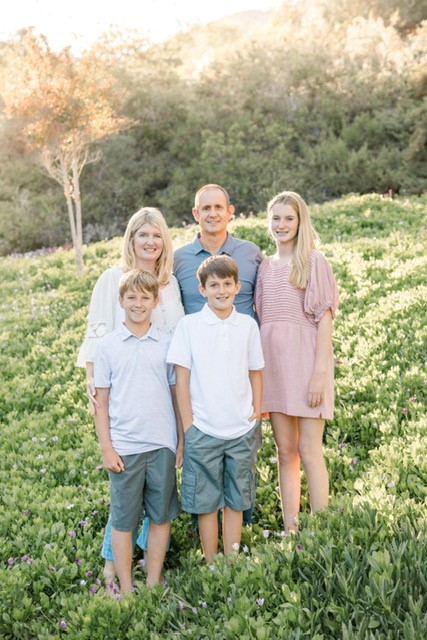
"I am a miracle child of that clinical trial," says Shannon. "Every day is special for sure. And I am so excited to be here with my husband and kids."
"When I had cancer, I was opting out of almost everything — sports games, parties, gatherings with family and friends — I couldn't go because I was so sick. But within a month of my T cell therapy, I started resuming regular activities," she says. “Football and basketball games, surf with them at six in the morning — all the things that, as a mom, you want to do. I worked my whole life to be in those moments. I just want to say ‘thank you’ to all the donors who helped make it possible.”