Speakers at the 2027 RNA Science and Therapeutic Innovation Symposium
Keynote Speakers
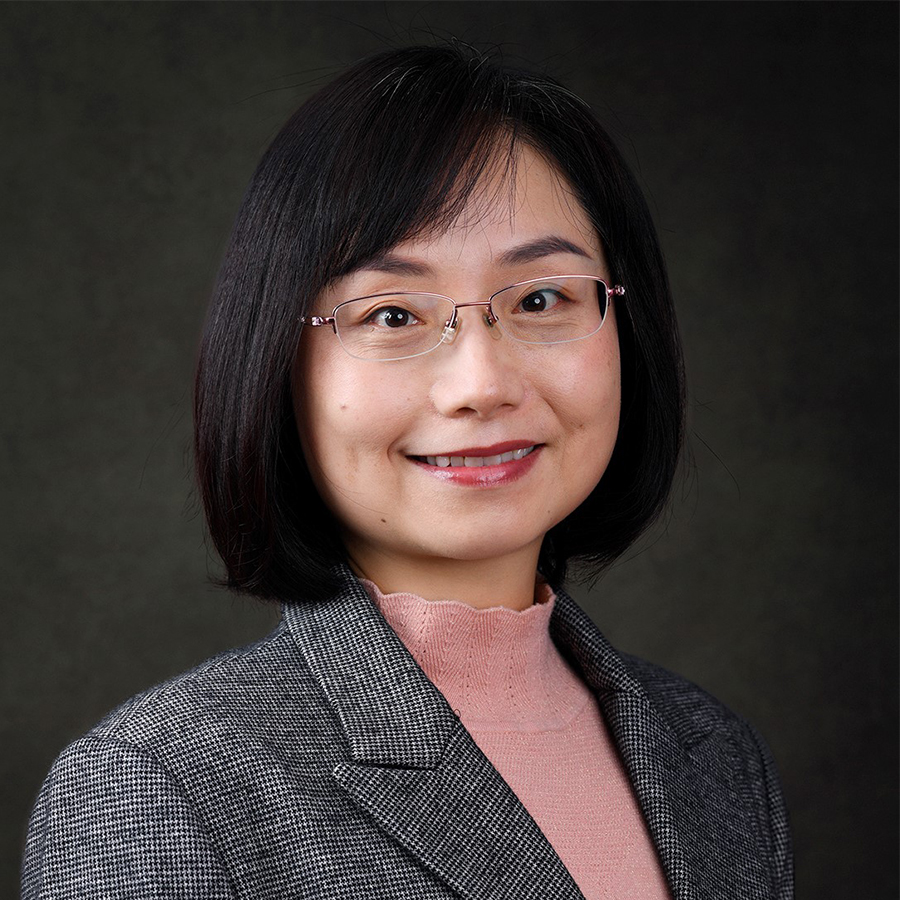
Ling-Ling Chen, Ph.D.: Developing circular RNA aptamers to target pathogenic proteins
Dr. Ling-Ling Chen, Principal Investigator at the Chinese Academy of Sciences (CAS) Center for Excellence in Molecular Cell Science, Founding Director of the State Key Laboratory of RNA Innovation
Dr. Chen's research focuses on long noncoding RNAs (lncRNAs) and RNA-centered nuclear bodies. She has made pioneering contributions to elucidating the diversity, biogenesis, localization, and functions of lncRNAs—particularly circular RNAs—and has advanced their biomedical engineering applications. Her work has also deepened the understanding of nuclear body assembly and function, including the nucleolus and nuclear stress bodies. She is the recipient of the XPLORER Prize (2020), the RNA Society Mid-Career Research Award (2021), and the FAOBMB Award for Research Excellence (2024), and was selected as a HHMI International Research Scholar (2017) and an inaugural New Cornerstone Investigator (2022).
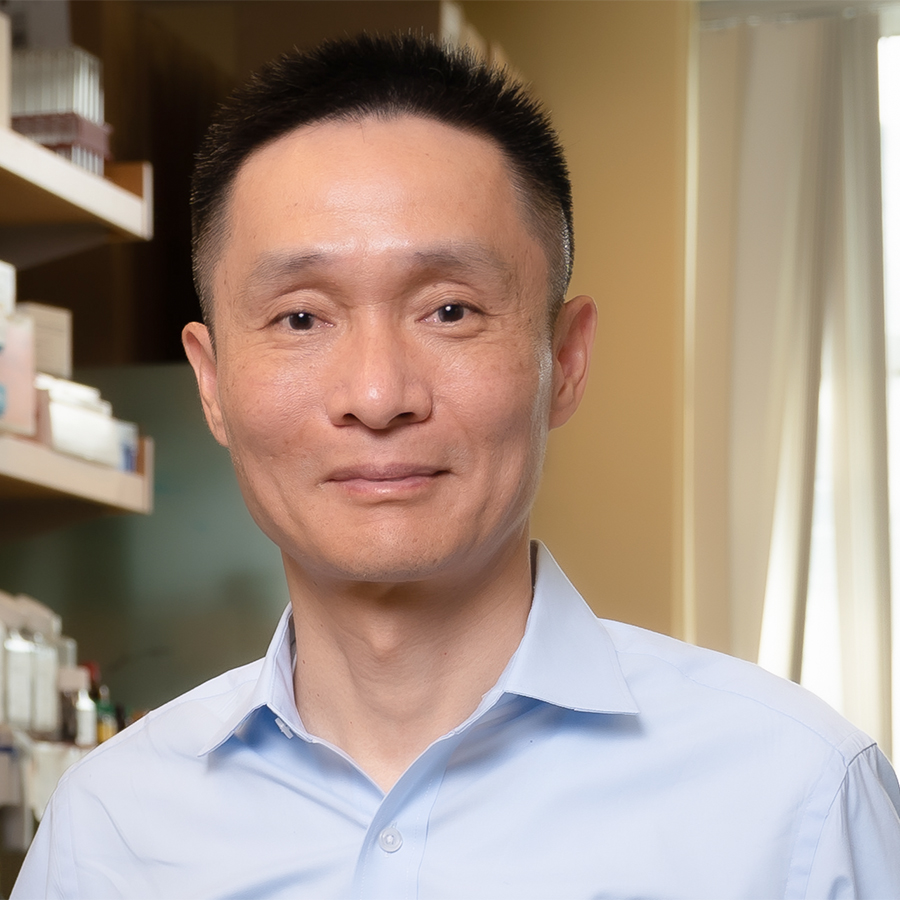
Chuan He, Ph.D.: Transcriptional activation by RNA methylation
Dr. Chuan He, John T. Wilson Distinguished Service Professor in the Department of Chemistry and Department of Biochemistry and Molecular Biology at the University of Chicago
Dr. He received his bachelor of science degree in 1994 from the University of Science and Technology of China and his Ph.D. in chemistry from the Massachusetts Institute of Technology in 2000. After training as a Damon-Runyon postdoctoral fellow at Harvard University, he joined the University of Chicago as an assistant professor, rising to associate professor in 2008 and full professor in 2010. He was selected as an investigator of the Howard Hughes Medical Institute in 2013. Dr. He’s research spans a broad range of fields including chemical biology, RNA biology, epigenetics, biochemistry, and genomics. His recent research concerns reversible RNA and DNA methylation in biological regulation. In 2011, his group discovered reversible RNA methylation as a new mechanism of gene expression regulation. His laboratory characterized several key reader proteins that bind preferentially to m6A-modified RNA and regulate their stability and translation. In 2020, Dr. He’s laboratory reported prevalent m6A methylation on chromatin-associated regulatory RNAs (carRNAs), which regulates chromatin state and global transcription. He is the winner of the 2017 Paul Marks Prize in Cancer Research, 2023 Wolf Prize in Chemistry and, 2023 Falling Walls Science Breakthrough of the Year, Life Sciences. Dr. He is a member of the National Academy of Sciences, a member of the American Academy of Arts and Sciences, and a Fellow of the American Association for the Advancement of Science.
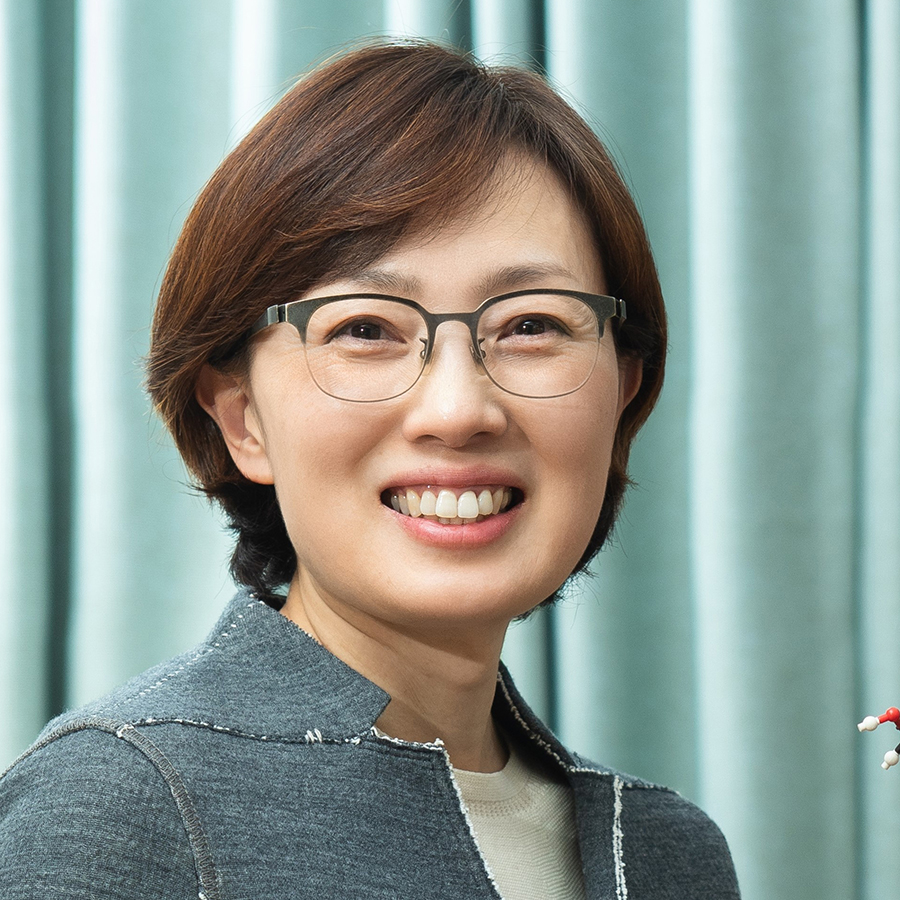
V. Narry Kim, Ph.D.: Regulation of mRNA stability through RNA tailing
Dr. V. Narry Kim, Professor at Seoul National University and founding Director of the RNA Research Center at the Institute for Basic Science (IBS)
Dr. Kim received her B.S. from Seoul National University and her Ph.D. from the University of Oxford, and trained as a postdoctoral fellow with Gideon Dreyfuss at the University of Pennsylvania. She joined the faculty at Seoul National University in 2001. Her research focuses on RNA biology. Her laboratory proposed the first model for microRNA biogenesis, identified key components of the pathway, and characterized their mechanisms of action. Her group has also studied noncanonical RNA tailing, including uridylation and mixed tailing, in the regulation of microRNAs, mRNAs, and viral RNAs. Her current work addresses the molecular machinery that regulates mRNA stability and translation, with direct relevance to RNA therapeutics. Kim is a member of KAST, the U.S. National Academy of Sciences, EMBO, and the Royal Society.
Featured Speakers
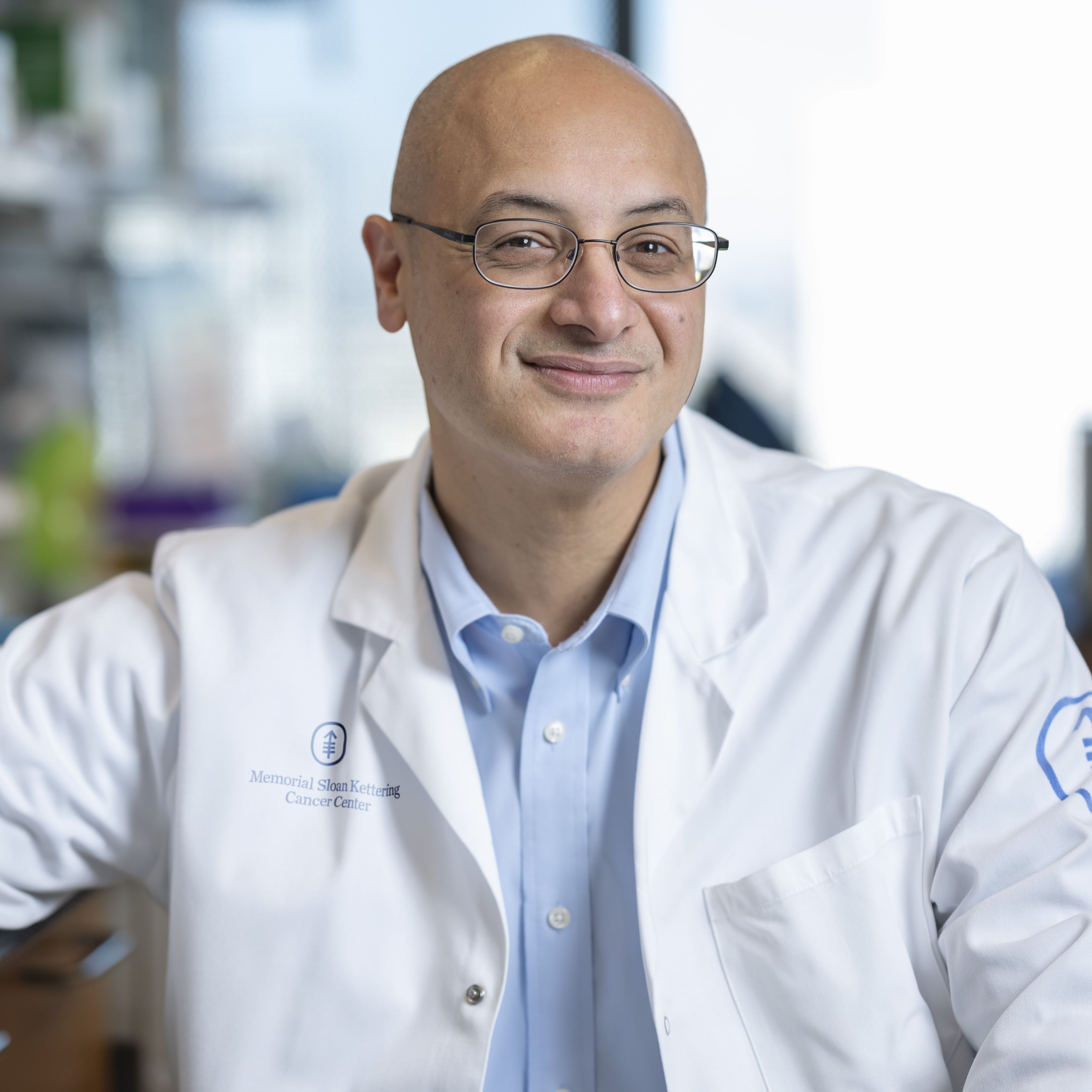
Omar Abdel-Wahab, M.D.: Understanding and Targeting Altered RNA Splicing in Cancer
Dr. Omar Abdel-Wahab, Evnin Family Chair of Molecular Pharmacology at Memorial Sloan Kettering Cancer Center (MSK), Chair of the Molecular Pharmacology Program in the Sloan Kettering Institute, Attending Physician on the Leukemia Service, Professor of Medicine at Weill Cornell College of Medicine
Over the last ten years, the Abdel-Wahab laboratory has been focused on understanding alterations in the process of RNA splicing which are common in patients with myelodysplastic syndromes (MDS). Abdel-Wahab's work has been recognized by an NIH Outstanding Investigator R35 Award, the Seldin-Smith Award for Pioneering Research from the American Society of Clinical Investigation, the Dameshek Award from the American Society of Hematology, the Paul Marks Prize from MSK, the Pershing Square Sohn Prize for Young Investigators in Cancer Research, and induction into the National Academy of Medicine.
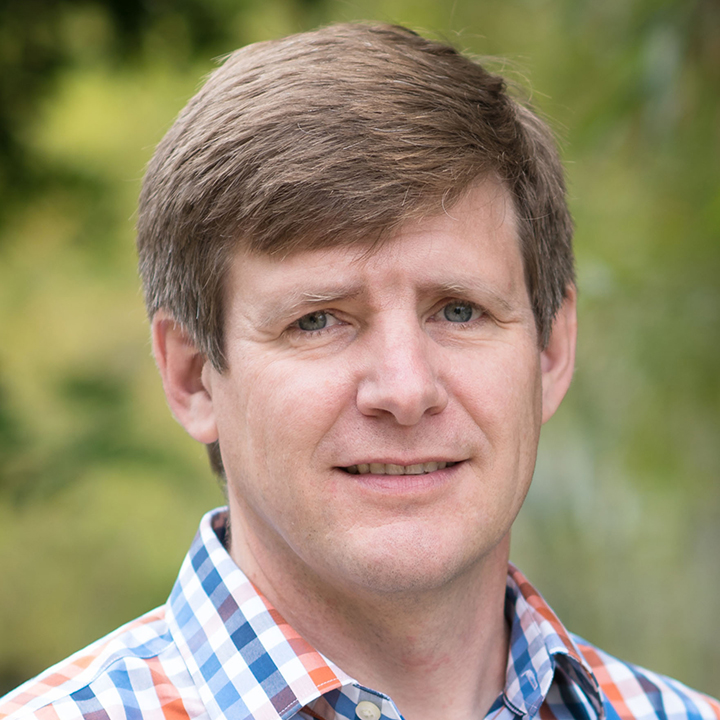
Mark Boldin, Ph.D.: MicroRNA Circuits Controlling Inflammation and Tissue Homeostasis
Dr. Mark Boldin, Associate Professor in the Department of Systems Biology at the Beckman Research Institute of City of Hope
Dr. Boldin's research investigates regulatory RNA function in mammalian hematopoiesis, immunity, and cancer, with a particular focus on microRNA-mediated control of inflammatory responses. Trained as a molecular immunologist at the Weizmann Institute of Science and Caltech, he co-discovered caspase-8, the initiating protease of the death receptor cascade, and later established miR-146a as a critical brake on inflammation, autoimmunity, and malignant transformation. More recently, his laboratory identified the C15ORF48/miR-147–NDUFA4 axis as an essential regulator of intestinal homeostasis. Dr. Boldin has authored over 50 publications cited more than 28,650 times.
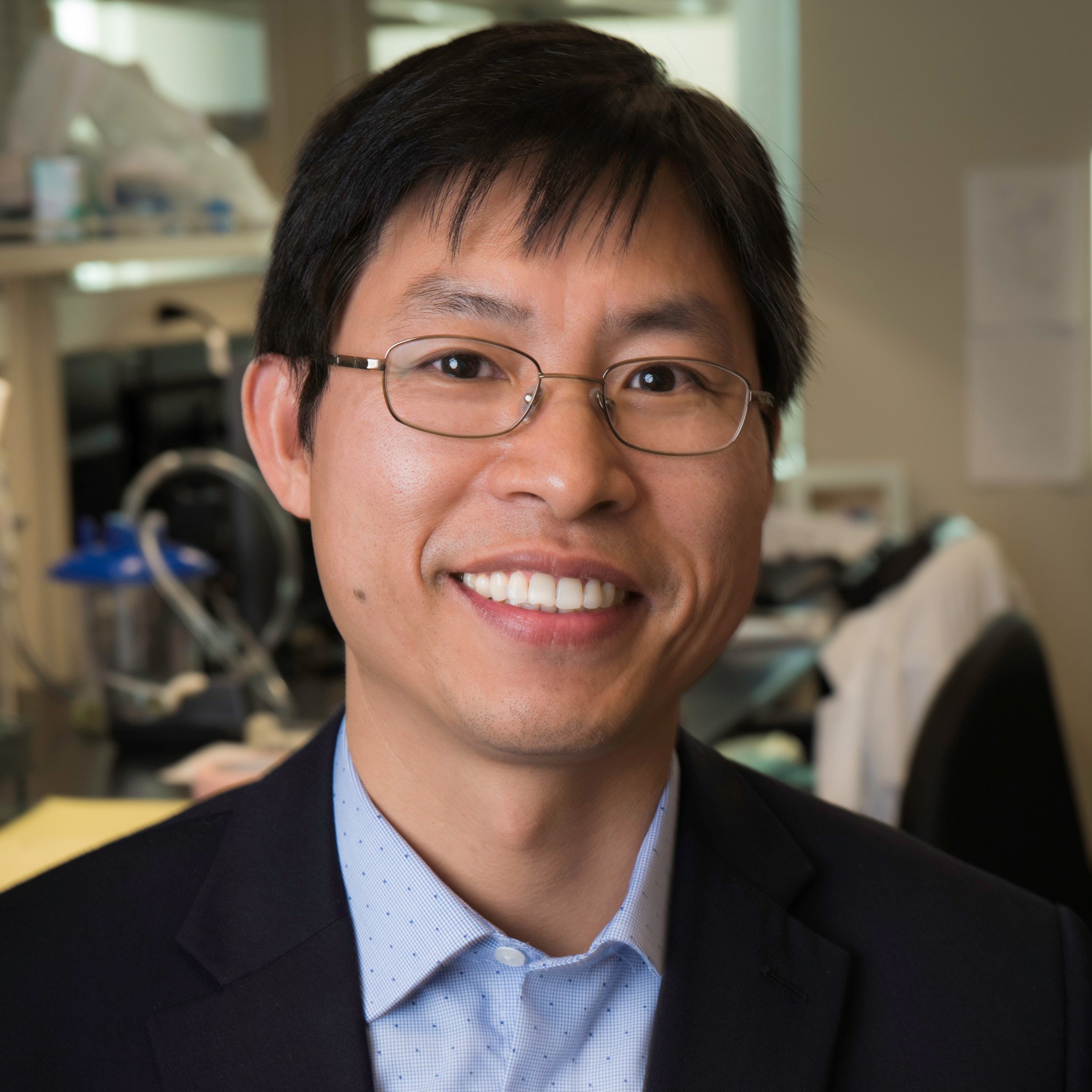
Jianjun Chen, Ph.D.: Decoding RNA Epitranscriptomics in Cancer: From Mechanisms to RNA Therapeutics
Dr. Jianjun Chen, Professor and Chair of the Department of Systems Biology and Director of the Center for RNA Biology and Therapeutics at City of Hope
Dr. Chen’s research focuses on RNA cancer epigenetics (epitranscriptomics). His laboratory has made a series of important discoveries defining the roles of RNA modifications and their regulators in cancer initiation, progression, stem cell maintenance, metabolism, immune evasion, and therapeutic resistance, particularly in leukemia. Chen has published over 200 papers in leading journals, including Nature, Cell, Cancer Cell, Cell Stem Cell, and Cancer Discovery. Chen is the Simms/Mann Family Foundation Endowed Professor in Systems Biology, an American Cancer Society Research Scholar, a Leukemia & Lymphoma Society Scholar, recipient of the 2022 LLS Scholar CDP Achievement Award, and a 2024 Fellow of the American Association for the Advancement of Science (AAAS).
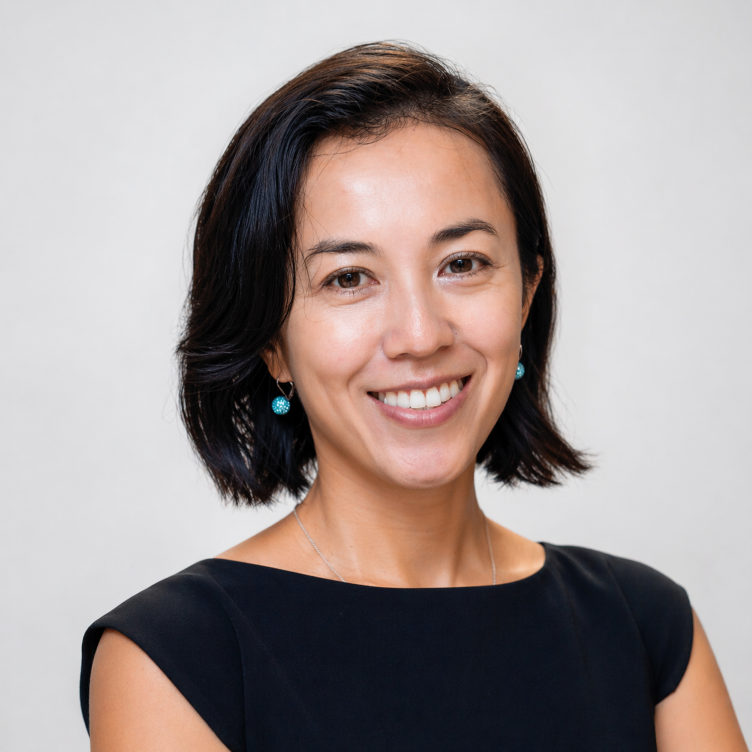
Dr. Zhen Bouman Chen: Endothelial Stress in Diabetes: From Molecular Insights to Therapeutic Innovations
Dr. Zhen Bouman Chen, Professor in the Department of Diabetes Complications and Metabolism and the Irell & Manella Graduate School of Biological Sciences at City of Hope, Founder and Co-Director of the Cardiovascular Research Center at the Arthur Riggs Diabetes & Metabolism Research Institute of City of Hope
Dr. Chen’s research focuses on RNA biology and epigenetic regulation in vascular biology, with an emphasis on endothelial mechanisms underlying diabetes, its complications, and cancer. Her work leverages innovative technologies and multi-scale models and has identified novel theranostic targets for peripheral artery disease, atherosclerotic vascular disease, and broader cardiometabolic diseases. Her research has been published in leading journals including Science Translational Medicine, Circulation, Journal of Clinical Investigations, and Nature Communications. She is the recipient of multiple NIH awards, including an NHLBI R35 Emerging Investigator Award, and has received honors from the American Heart Association and other scientific organizations.
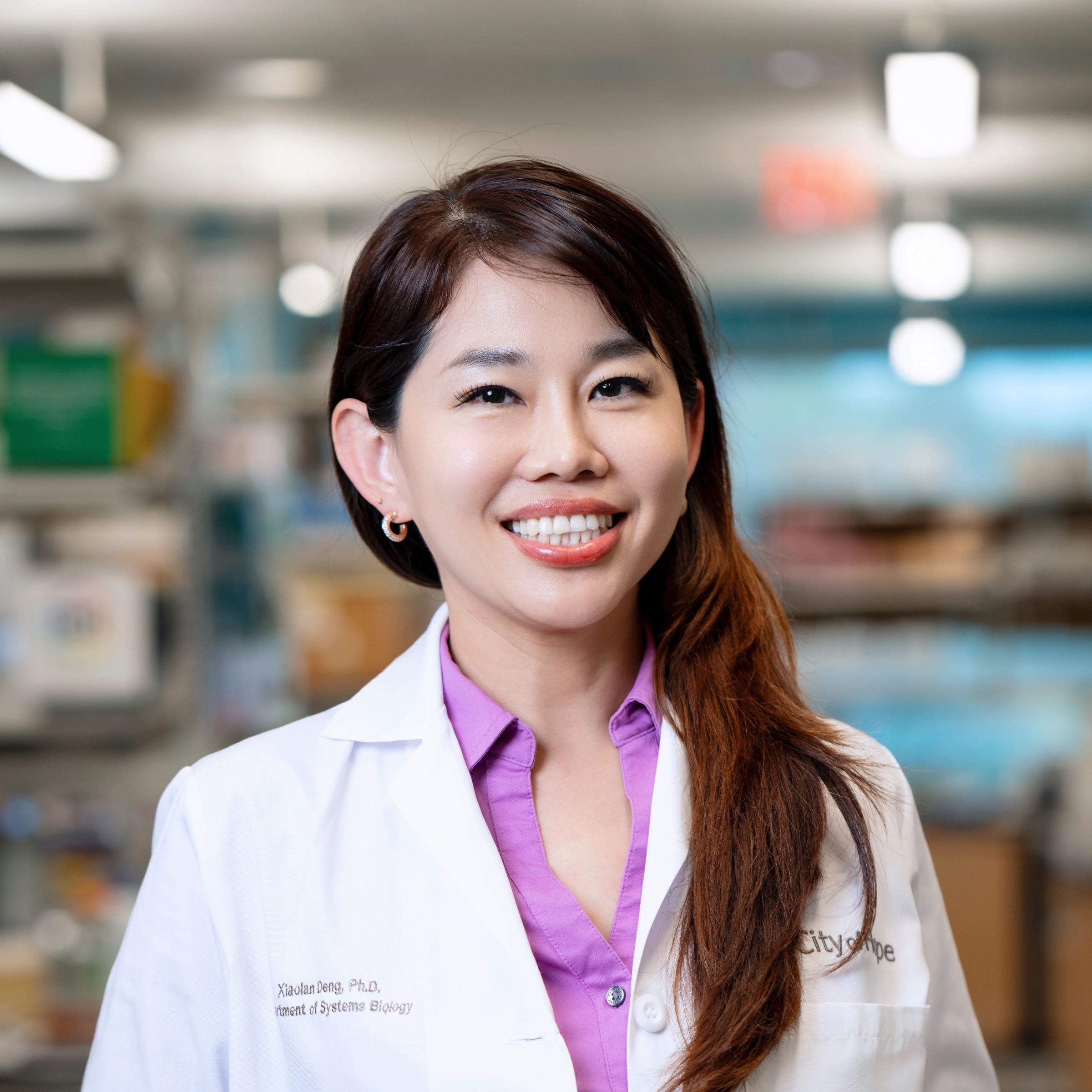
Dr. Xiaolan Deng: Identification of Pseudouridine Readers and Their Applications in mRNA Therapeutics
Dr. Xiaolan Deng, Associate Professor in the Department of Systems Biology and Associate Director of the Center for RNA Biology and Therapeutics at the Beckman Research Institute of City of Hope
Dr. Deng's research focuses on RNA epigenetics (epitranscriptomics), particularly how RNA modifications regulate leukemia stem cell function, tumor metabolism, immune evasion, and therapeutic resistance. Dr. Deng has made key contributions to defining the roles and mechanisms of RNA modification regulators, including METTL16, TET1/2, YTHDF2, and ALKBH1, in cancer biology. Her work has been published in leading journals such as Cell, Cancer Cell, and Cell Stem Cell, and has helped uncover novel therapeutic targets and strategies for leukemia.
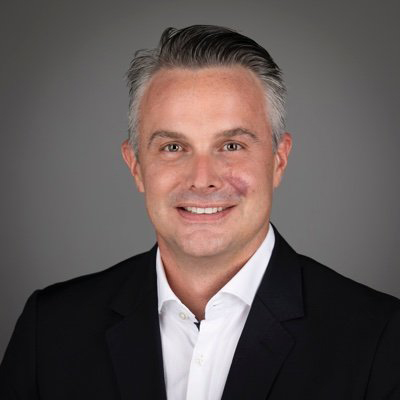
Matthew Disney, Ph.D.: Sequence-based design of Small Molecules targeting RNA
Dr. Matthew Disney, Institute Professor and Chair of the Department of Chemistry at the UF Scripps Institute for Biomedical Innovation & Technology, Founding Director of the Center for RNA Genomic Medicine
The Disney laboratory develops small molecules that target RNA to treat human disease, with a focus on genetically encoded disorders, cancer, and neurodegeneration. His group pioneered sequence-based approaches for RNA-targeted small molecule discovery, including the development of Inforna and RiboTAC technologies. Dr. Disney has authored more than 250 scientific publications and has received numerous honors, including the NIH Director’s Pioneer Award, the ACS Eli Lilly Award in Biological Chemistry, and the David W. Robertson Award for Excellence in Medicinal Chemistry.
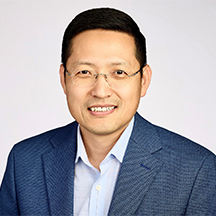
Yizhou Dong, Ph.D.: Lipid nanoparticles enabled mRNA therapy.
Dr. Yizhou Dong, Mount Sinai Endowed Professor in Nanomedicine at the Icahn School of Medicine at Mount Sinai
Dr. Dong's research focuses on the design and development of biotechnology platforms for the treatment of genetic disorders, infectious diseases, and cancer. Dr. Dong has authored over two hundred papers and patents. Over seventy of his patents have been licensed by pharmaceutical and biotech companies and are currently under development as drug candidates for clinical trials. Dr. Dong is an elected fellow of the American Institute for Medical and Biological Engineering (AIMBE) and also an elected fellow of the National Academy of Inventors.
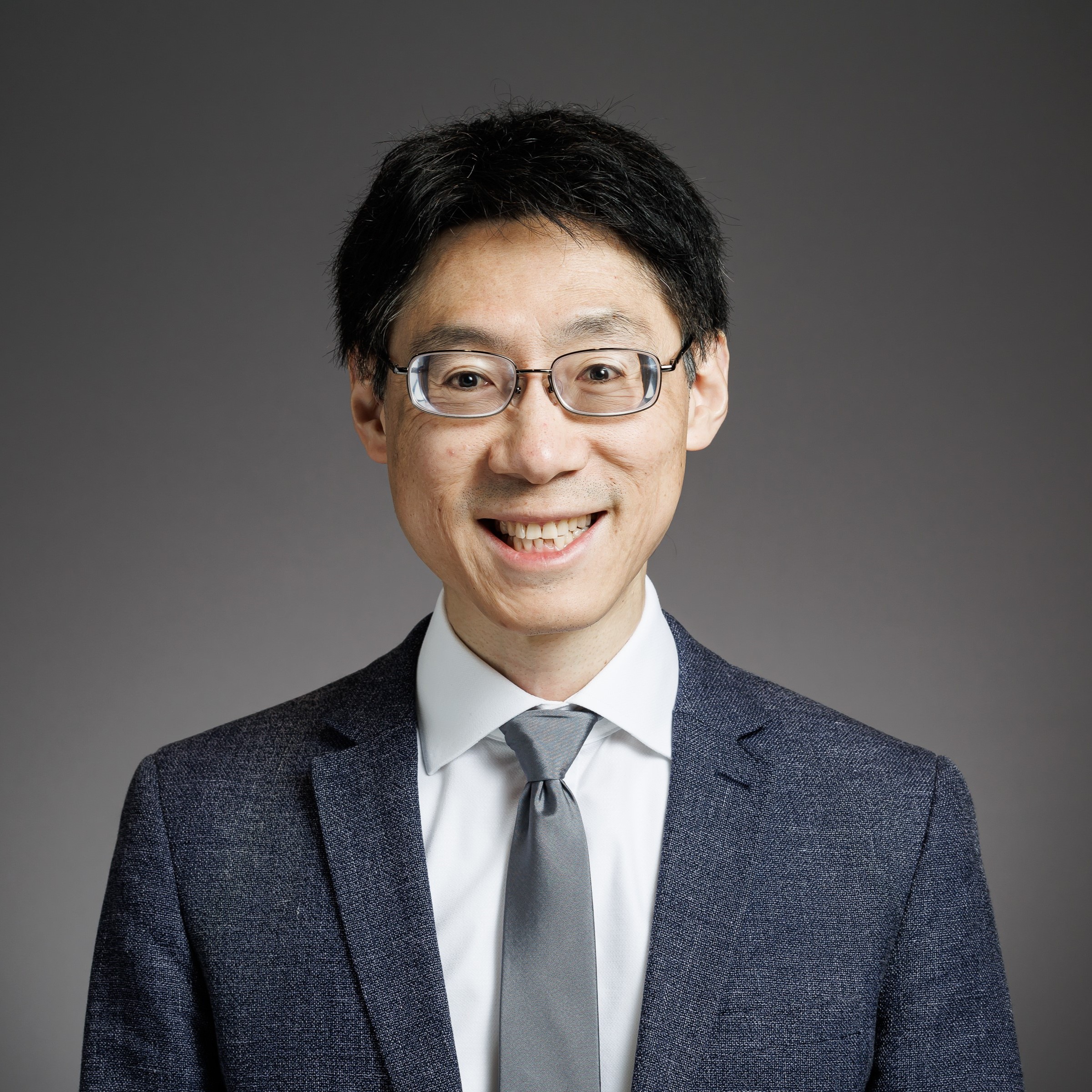
Rong Fan, Ph.D.: Seeing RNA biology in action in the spatial tissue context
Dr. Rong Fan, Harold Hodgkinson Professor of Biomedical Engineering and of Pathology at Yale University
Dr. Fan received a Ph.D. in Chemistry from the University of California at Berkeley and completed the postdoctoral training at California Institute of Technology before joining the faculty at Yale University in 2010. His current interest is focused on developing single-cell and spatial omics technologies to interrogate functional cellular heterogeneity and inter-cellular signaling network in human health and disease. He co-founded IsoPlexis, Singleron Biotechnologies, and AtlasXomics. He served on the Scientific Advisory Board of Bio-Techne. He is the recipient of a number of awards including the National Cancer Institute’s Howard Temin Career Transition Award, the NSF CAREER Award, and the Packard Fellowship for Science and Engineering. He has been elected to the American Institute for Medical and Biological Engineering (AIMBE), the Connecticut Academy of Science and Engineering (CASE), and the National Academy of Inventors (NAI).
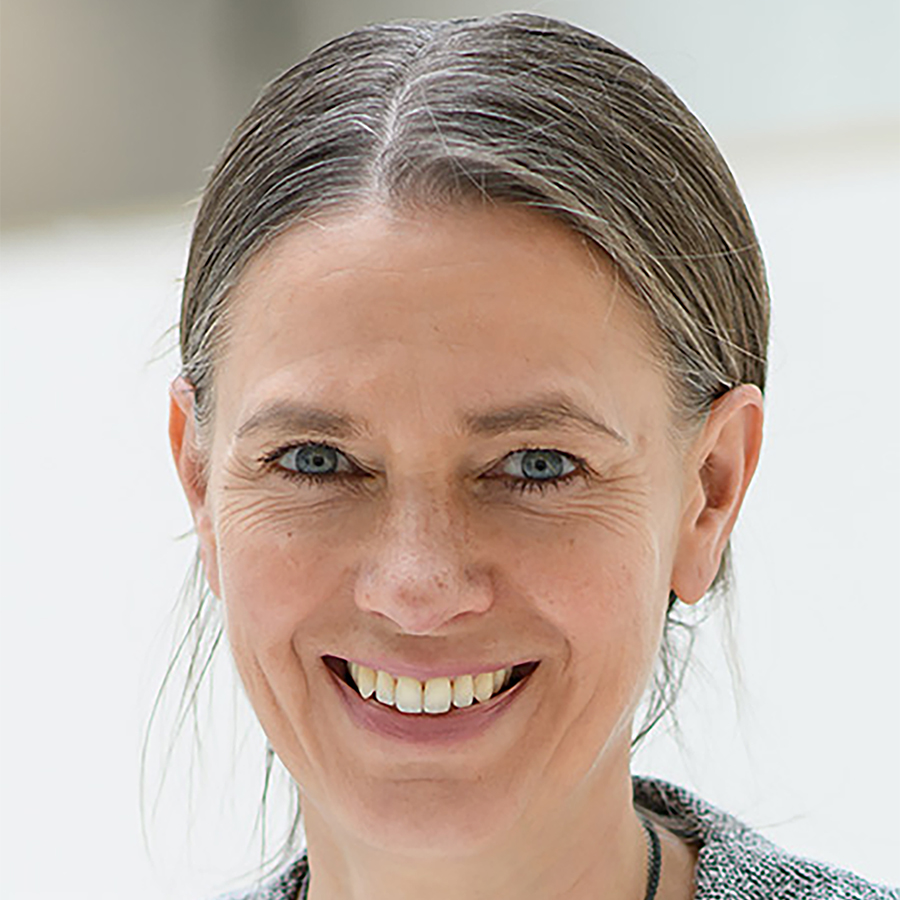
Michaela Frye, Ph.D.: Targeting RNA modifications in cancer
Dr. Michaela Frye, German Cancer Research Centre (DKFZ)
Dr. Frye completed her Ph.D. in Frankfurt/Main in Germany in 2000 studying the role of epithelial defensins in cystic fibrosis. In 2001, she joined Cancer Research UK (CR-UK) in London as a Postdoctoral Fellow, where she studied how stem cells form and maintain adult skin. In 2007, Michaela started her independent research group at the Wellcome Trust – Medical Research Council Cambridge Stem Cell Institute. She received a CR-UK Career Development Fellowship in 2007 and a CR-UK Senior Fellowship and an ERC Consolidator Grant in 2013 to study how RNA modifications regulate stem cell functions and contribute to human diseases and cancer. She was elected as an EMBO member in 2018. In 2019, she accepted a full Professorship at the DKFZ in Heidelberg Germany where her group studies mechanisms regulating gene expression regulate stem cell fate in normal tissues and cancer.
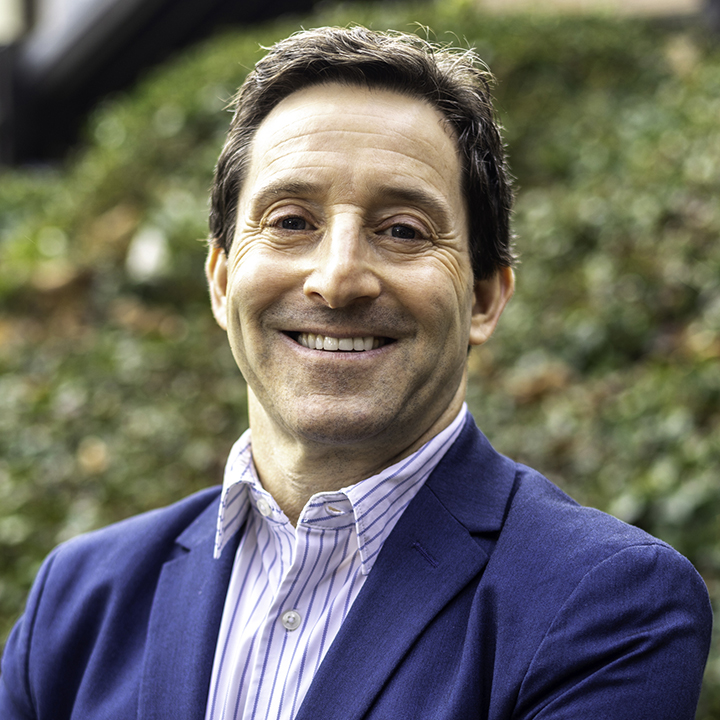
François Fuks, Ph.D.: RNA Modifications in Health and Disease
Dr. François Fuks, Director of the Laboratory of Cancer Epigenetics, Full Professor at the Faculty of Medicine of the Université libre de Bruxelles (ULB)
Dr. Fuks' research focuses on uncovering the fundamental mechanisms of epigenetics and epitranscriptomics, with the goal of understanding how these regulatory layers shape cell identity and how their disruption contributes to cancer. His laboratory has made major contributions to DNA methylation and chromatin biology, and more recently to RNA modifications in health and disease. These include identification of a new RNA modification (Science, 2016), demonstrating how m6A dynamics promote tumor progression (Nature Cancer, 2021), revealing an unexpected RNA-reading function of a splicing factor in leukemic cells (Molecular Cell, 2023), and uncovering a mechanistic coupling between RNA and DNA regulatory systems (Cell, 2025). He is also the co-founder of EPICS Therapeutics (Gosselies, Belgium), a biotech company developing inhibitors targeting RNA-modifying enzymes to treat cancer. Overall, Prof. Fuks’ work aims to decode the mechanisms of epigenetics and epitranscriptomics and to translate these discoveries into new therapeutic strategies for cancer.
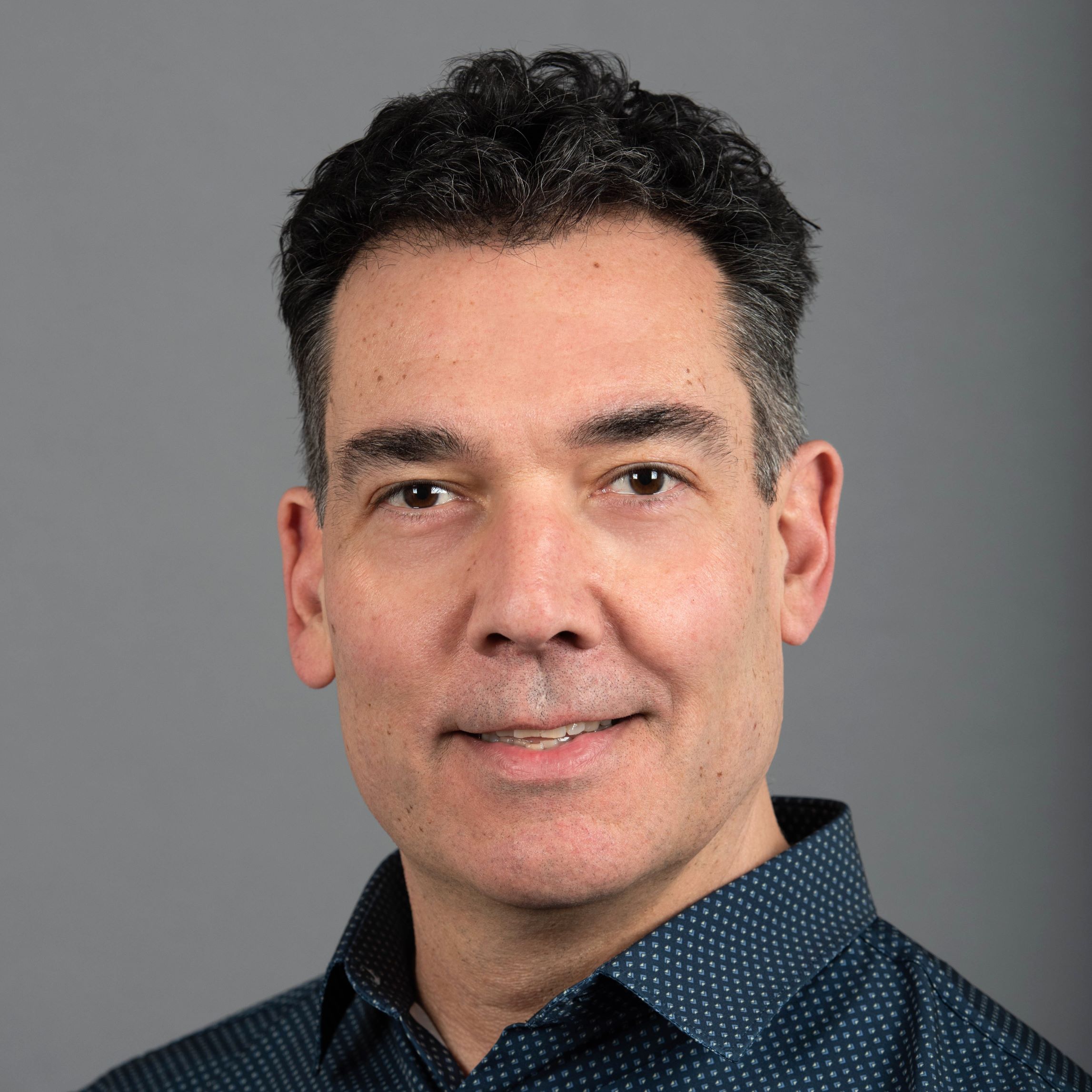
Richard I. Gregory, Ph.D.: Oncogenic tRNAs – mechanisms and potential therapeutic targets
Dr. Richard I. Gregory, Professor and Chair of the Department of Molecular, Cell, and Cancer Biology, Eleanor Eustis Farrington Chair in Cancer Research at UMass Chan Medical School
Dr. Gregory's research focuses on understanding molecular and cellular mechanisms of RNA regulation and the relevance of these pathways in cancer. Most recently, his work has been focused on the role of RNA modifications – the epitranscriptome, in cancer biology. Notably, he identified the RNA methyltransferases METTL1 and METTL3 as new oncogenes, linking changes to the epitranscriptome with translational reprogramming and oncogene expression in numerous cancer types. These studies helped identify important new targets for the development of novel cancer therapies.
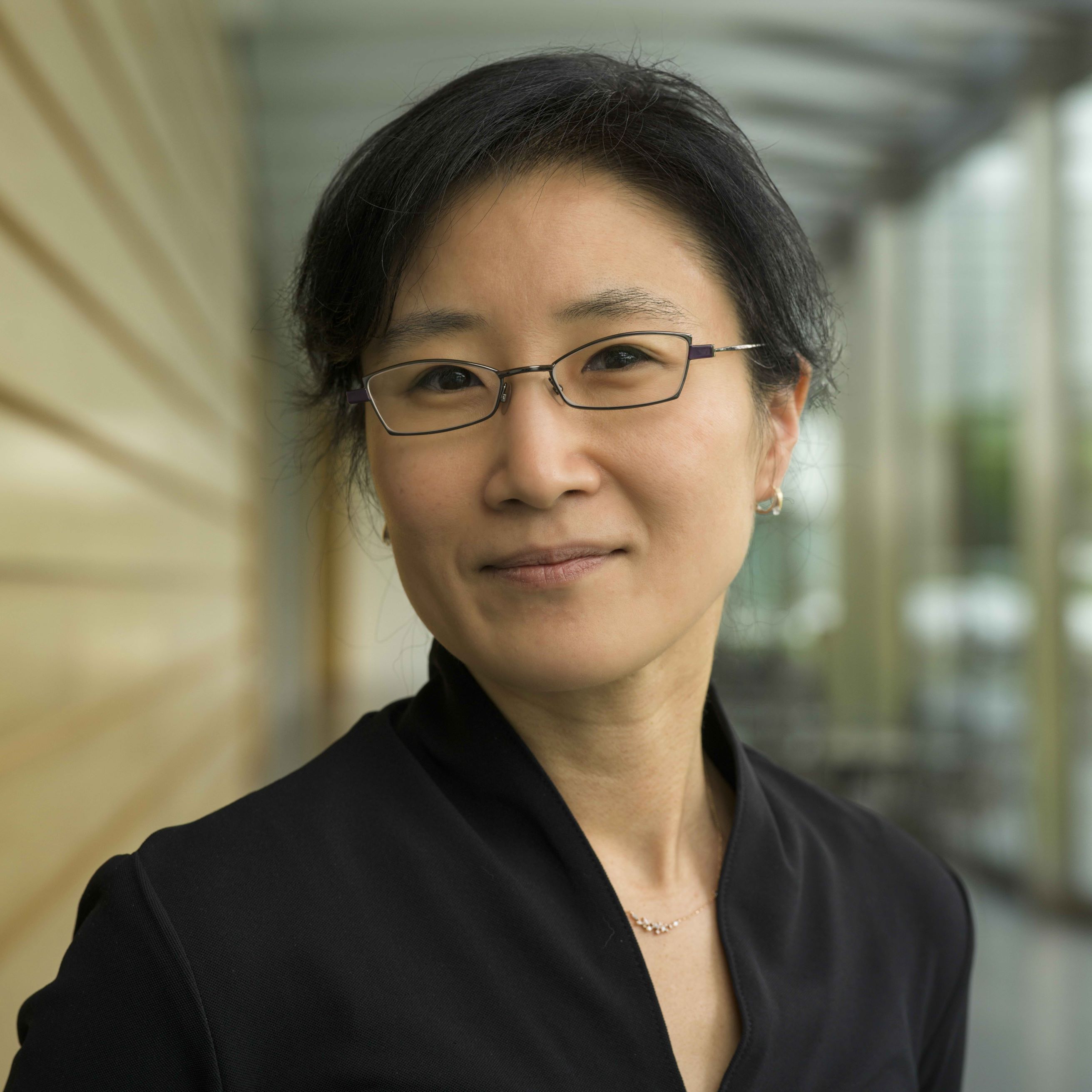
Sun Hur, Ph.D.: Innate immune mechanism for self vs. non-self RNA discrimination
Dr. Sun Hur, Professor in the Department of Biological Chemistry and Molecular Pharmacology and the Oscar M. Schloss Professor of Pediatrics at Harvard Medical School, Senior Investigator in the Program in Cellular & Molecular Medicine at Boston Children's Hospital, Howard Hughes Medical Institute (HHMI) investigator
The Hur lab investigates immune mechanisms for self vs non-self discrimination and transcriptional regulation of T cell development. Her research on a family of viral RNA receptors, RIG-I-like receptors, has led to the discovery of key mechanistic principles in foreign nucleic acid sensing, particularly the role of nucleic acid-scaffolded protein multimerization and hierarchical signalosome assembly. More recently, her work on transcription factors governing T cell self-tolerance has revealed distinct multimeric assembly mechanisms that underlie cognate DNA recognition and transcriptional regulation. Hur has received numerous distinctions in her career, including selection as a Pew Scholar, receipt of the Vilcek Prize for Creative Promise in Biomedical Science, and receipt of the NIH Director’s Pioneer Award. She was recently elected to American Academy of Arts and Sciences and National Academy of Medicine.
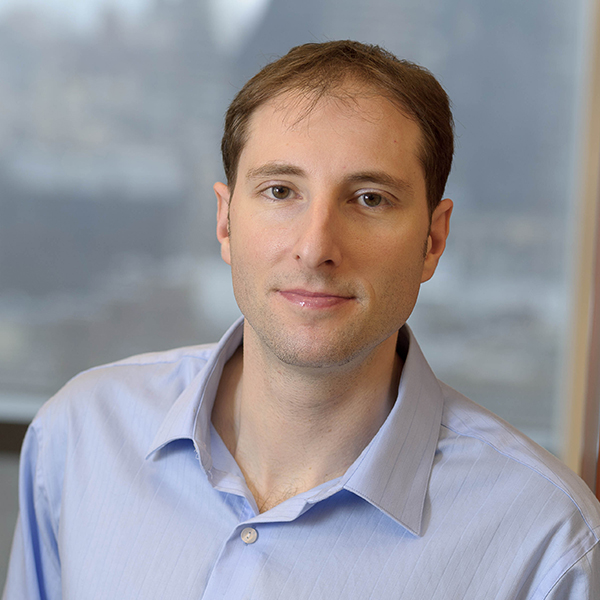
Michael G. Kharas, Ph.D.: RNA regulators from mechanisms to therapeutic opportunities
Dr. Michael G. Kharas, Member in the Molecular Pharmacology Program at Memorial Sloan Kettering Cancer Center, Professor in the Weill Cornell Graduate School of Medical Sciences
The Kharas laboratory studies how RNA-binding proteins, RNA modifications, and translational control regulate hematopoietic stem cells and drive leukemia and other cancers. Kharas' work has identified critical roles for the RNA-binding protein MUSASHI-2 (MSI2) in stem cell maintenance and leukemic transformation, helping establish RNA regulatory pathways as therapeutic targets in cancer. More recently, his group has uncovered how RNA methylation programs maintain cell fate and drive cancer, while developing therapeutic strategies targeting oncogenic RNA translation programs. Dr. Kharas has received several honors, including the Leukemia &Lymphoma Society Scholar Award, the American Society of Hematology Scholar Award, and the Alex’s Lemonade Stand Foundation “A” Award.
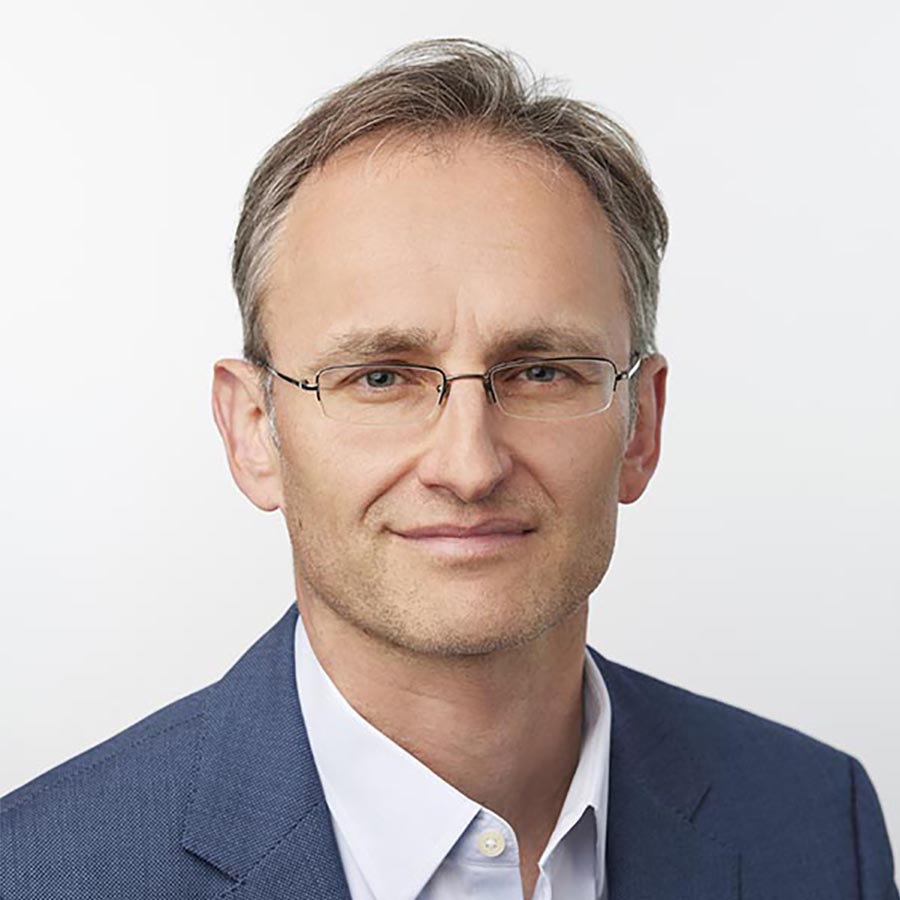
Marcin Kortylewski, Ph.D.: Bi-Functional Oligonucleotide Therapeutics for Cancer Immunotherapy
Dr. Marcin Kortylewski, Professor of Immuno-Oncology at the Beckman Research Institute of City of Hope
Dr. Kortylewski received his Ph.D. in molecular biology from Poznan University of Medical Sciences and completed postdoctoral training in cancer biology and tumor immunology in Germany and the United States. Dr. Kortylewski’s research centers on development of immune cell-selective RNA and oligonucleotide therapeutics, including siRNA, miRNA, antisense oligonucleotides, and DNA decoys targeting master regulators of inflammation and cancer immune evasion. His laboratory research led to two INDs and an ongoing Phase I clinical trial. He has received major funding from the NIH/NCI, Department of Defense, and Prostate Cancer Foundation, serves on scientific advisory boards of ASGCT and private biotech companies, is a section editor at Molecular Therapy Nucleic Acids journal, and an inventor on more than 20 patents and patent applications.
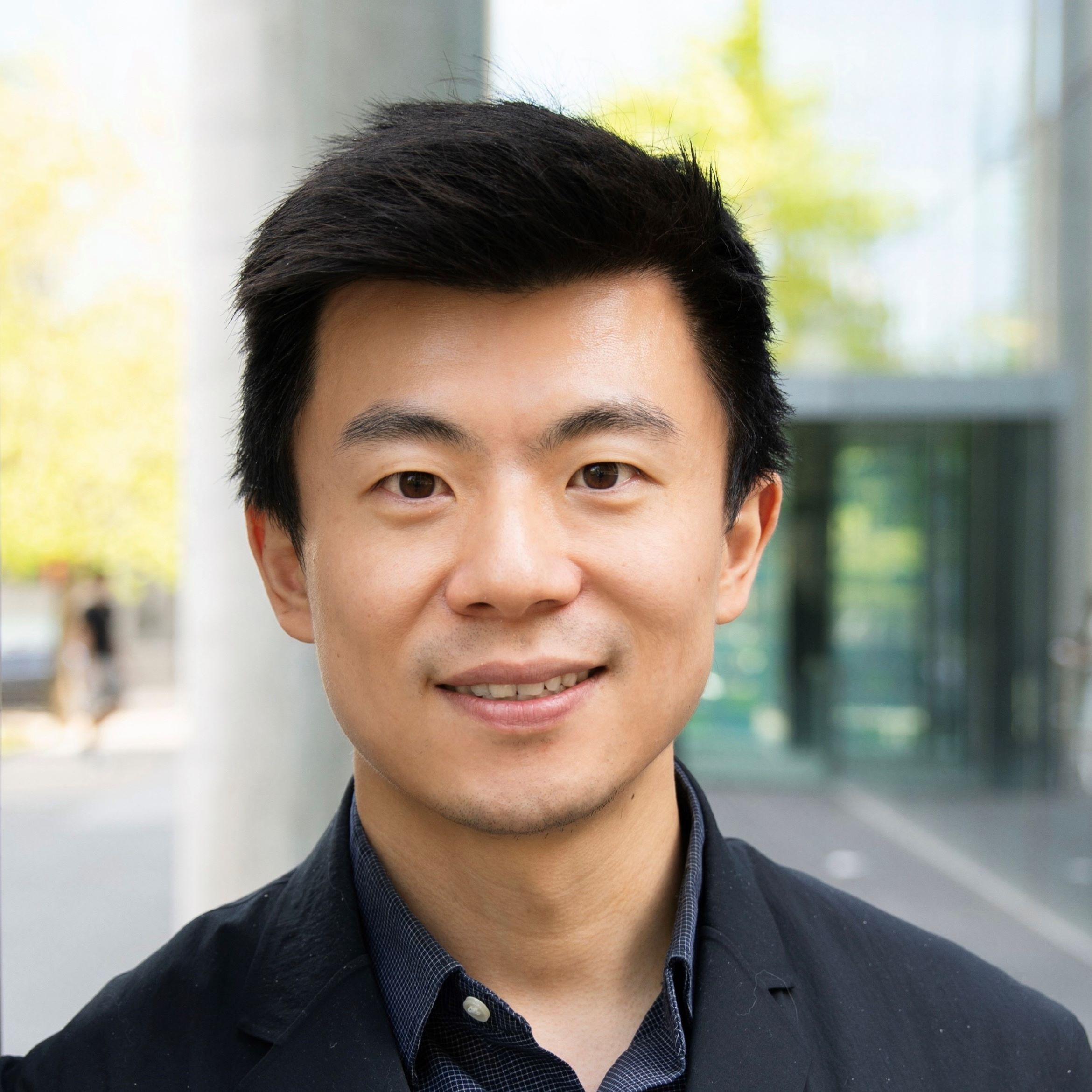
Bowen Li, Ph.D.: Nonviral Delivery of Chemically Modified Suppressor tRNA for Gene Therapy
Dr. Bowen Li, GSK Chair Professor in Pharmaceutics and Drug Delivery, Tenured Associate Professor at the Leslie Dan Faculty of Pharmacy, University of Toronto, Senior Scientist at the Princess Margaret Cancer Centre, Tier 2 Canada Research Chair in RNA Vaccines and Therapeutics
Dr. Li's research pioneers the integration of artificial intelligence, molecular bioengineering, and biomaterials to develop nucleic acid therapeutics and nonviral delivery systems with predictive control across molecular, cellular, and in vivo scales. Dr. Li has authored more than 70 publications in leading journals, including Cell, Nature Biotechnology, Nature Materials, and Nature Biomedical Engineering, and has received numerous honors, including the Terry Fox New Investigator Award and the Ontario Early Researcher Award.
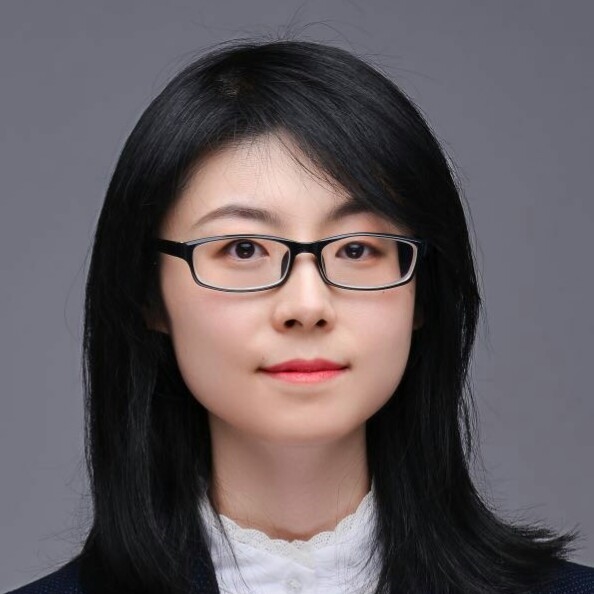
Jun Liu, Ph.D.: The coordinate functional roles of caRNA and mRNA modification
Dr. Jun Liu, Assistant Professor at the School of Life Sciences, Peking University
Dr. Liu received her bachelor’s and doctoral degrees from Peking University, followed by postdoctoral training at the University of Chicago. Her research focuses on the molecular mechanisms and biological functions of epitranscriptomic regulation, with particular interest in how RNA modifications regulate chromatin function and contribute to cell fate decisions. Her major contributions include revealing the mechanisms by which chromatin-associated RNA modifications on regulate gene transcription and centromere stability, defining their key biological roles in embryonic stem cell fate decisions, and developing methodological frameworks to interrogate the functions of individual RNA modification sites and their roles in cancer. These studies have provided new perspectives for understanding complex RNA modification regulatory networks in biological systems. Her work has been published in journals including Cell, Science, and Nature, and has been supported by the Asia Young Scientist Fund.
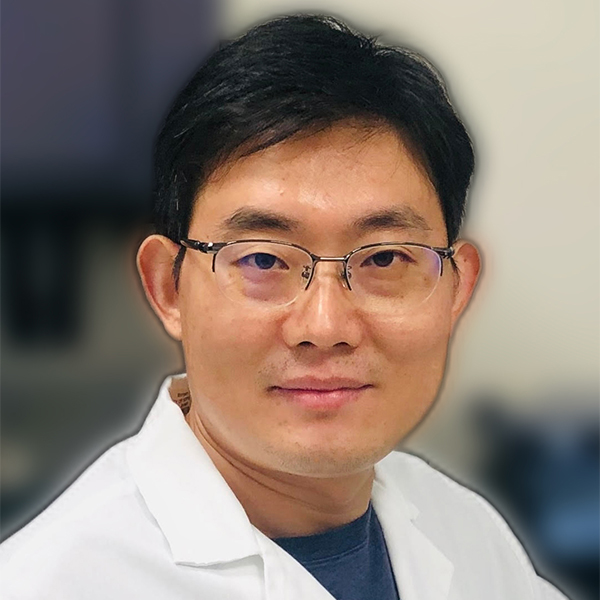
Shoubao Ma, Ph.D.: Regulation of immune cell development, differentiation, and function by RNA m6A reader protein YTHDF2
Dr. Shoubao Ma, Assistant Professor in the Department of Hematology & Hematopoietic Cell Transplantation at City of Hope National Medical Center
The Ma laboratory is dedicated to elucidating the mechanisms that govern innate immune cell function and antitumor immunity, as well as uncovering how tumors evade immune surveillance. The research team leverages these insights to develop innovative cell-based immunotherapies for the treatment of cancer and immune-related disorders. Ma’s pioneering research has significantly advanced the understanding of how N6-methyladenosine (m⁶A) RNA modification regulates immune cell fate and function. His work has demonstrated that the m⁶A reader protein YTHDF2 plays a critical role in controlling NK cell–mediated immunity. In addition, his studies have revealed how m⁶A signaling reprograms tumor-associated macrophages, modulates tumor-intrinsic immune evasion pathways, and regulates T cell differentiation and CAR T cell–mediated antitumor responses.
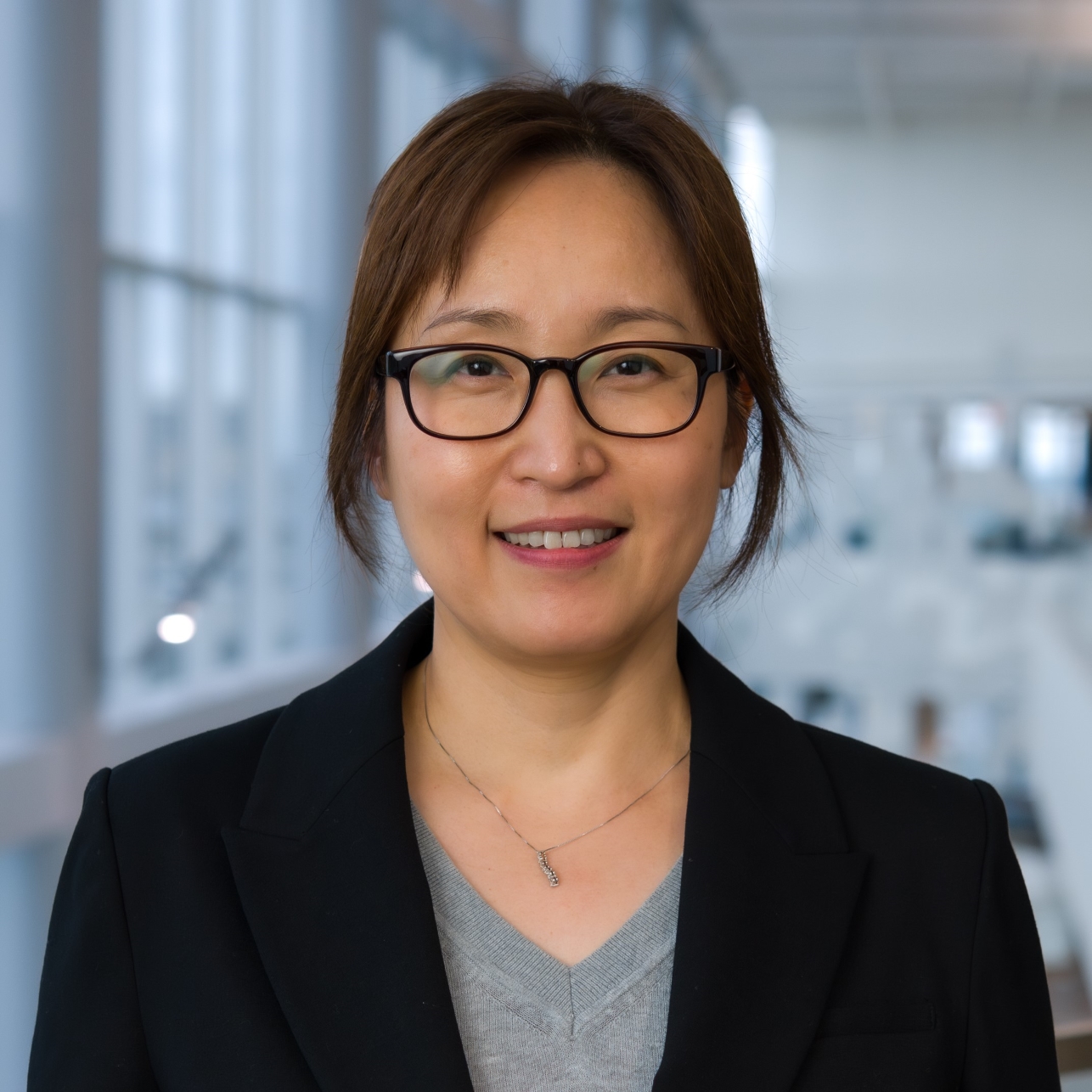
Yunsun Nam, Ph.D.: Deciphering the Code in Protein-RNA Interactions: Molecular Mechanisms of Processing and Modification
Dr. Yunsun Nam, Professor in the Departments of Biochemistry and Biophysics, Doris and Bryan Wildenthal Distinguished Chair in Medical Science at the University of Texas Southwestern Medical Center
Dr. Nam's primary research focuses on biochemical and biophysical dissection of RNA-protein complexes. Nam’s work investigates the precise molecular mechanisms of substrate recognition, catalysis, and the regulation of enzymes acting on RNAs, including RNA modification, processing, and remodeling enzymes. Her contributions have elucidated how the dysregulated specificity and efficiency of RNA modifications and processing are linked to disease, providing vital insights into gene regulation, cancer biology, and the development of RNA-based therapeutics. In recognition of her scientific impact, Nam has received numerous prestigious honors, including the 2026 Edith and Peter O'Donnell Award in Biological Sciences from TAMEST, a Packard Fellowship for Science and Engineering, and selection as a Pew Biomedical Scholar.
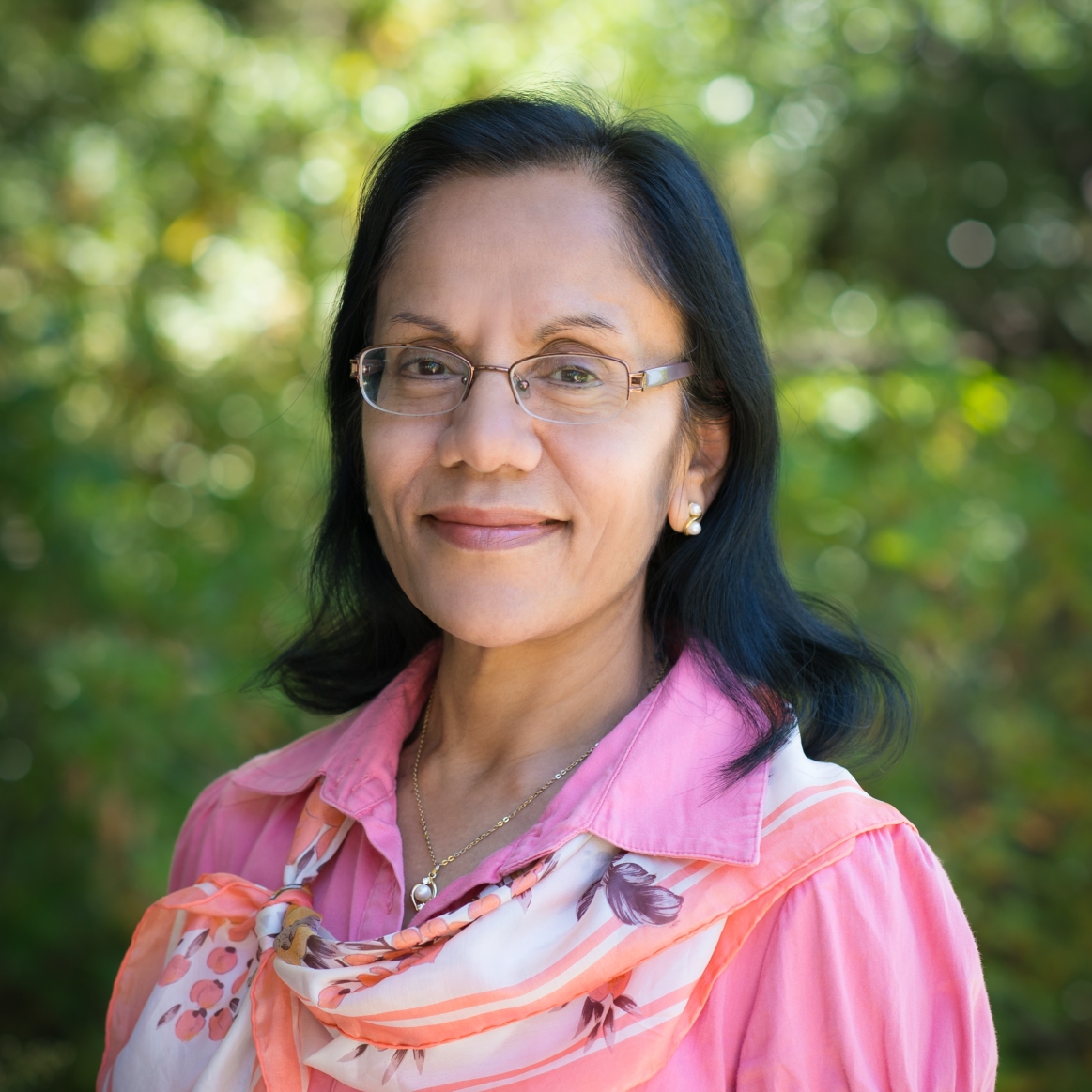
Rama Natarajan, Ph.D.: Linking LncRNAs with Inflammation and Complications of Obesity and Diabetes
Dr. Rama Natarajan, Professor and Chair of the Department of Diabetes Complications and Metabolism, Deputy Director of the Arthur Riggs Diabetes and Metabolism Research Institute at the Beckman Research Institute of City of Hope
Dr. Natarajan is an internationally recognized leader in diabetes-related complications, with primary research interests in epigenetic mechanisms, non-coding RNAs, and inflammatory and fibrotic pathways linking hyperglycemia to vascular disease. She has published over 220 peer-reviewed articles and is regarded as a pioneer in diabetes epigenetics. Her seminal work was among the first to demonstrate disease-relevant regulatory non-coding RNAs (microRNAs, lncRNAs), histone modifications, and DNA methylation changes in diabetic vasculopathy. Importantly, her mechanistic studies provided evidence that persistent epigenetic changes are associated with the phenomenon of “metabolic memory,” in which periods of prior hyperglycemia predispose diabetic patients to long-term complications despite subsequent good glycemic control.
Her research has been continuously funded by the NIH for over 30 years. Selected honors include the Edwin Bierman Award (American Diabetes Association), Distinguished Scientist and Mentor of Women Awards (AHA ATVB Council), and election as a 2020 AAAS Fellow.
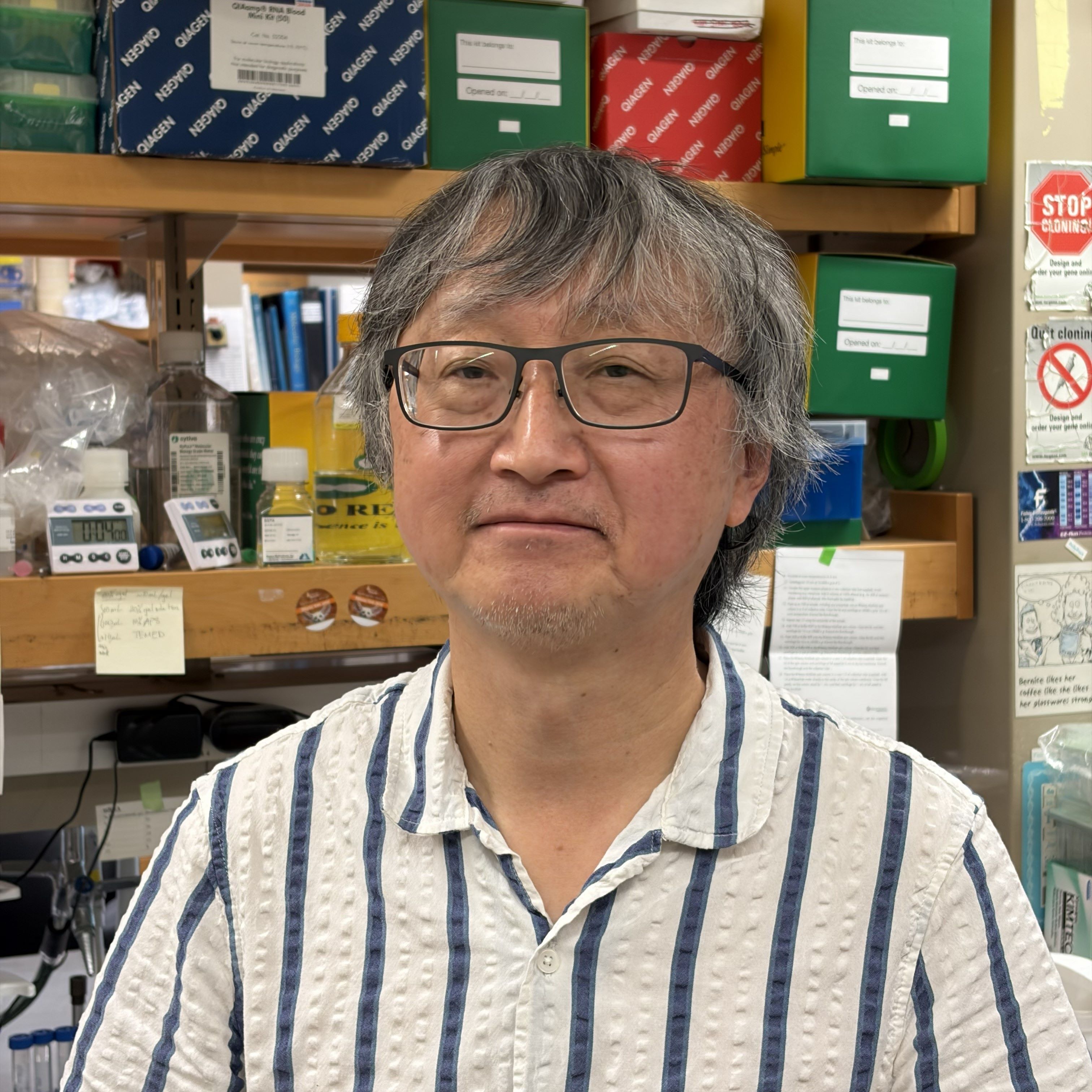
Tao Pan, Ph.D.: New roles of tRNA and snoRNA in translation
Dr. Tao Pan, Professor of Biochemistry and Molecular Biology at the University of Chicago
Throughout Pan's career he has made many contributions to several areas of RNA science and RNA technology. His current interests focus on the functional genomics and biology of tRNA, the dynamic epitranscriptome of RNA modifications, and tRNA-based diagnostics. He has developed multiple technologies to study tRNA and tRNA/mRNA modifications transcriptome-wide and applied those to biological investigations in basic and clinical science. He also co-discovered TAG-snoRNA guided protein secretion. He was the recipient of NIH director’s pioneer award on adaptive mistranslation and is a fellow of the American Association for the Advancement of Science (AAAS). He received his Ph.D. in Biophysics and Biochemistry from Yale University and did postdoctoral research at the University of Colorado at Boulder.
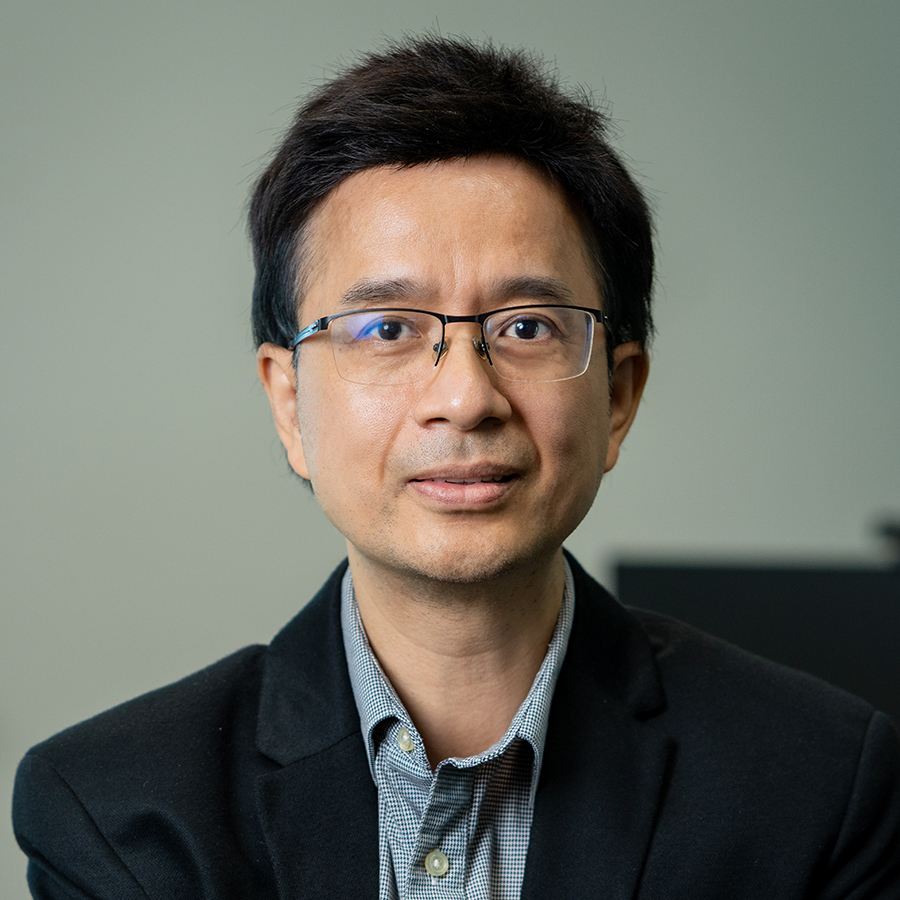
Zhijian Qian, Ph.D.: m6A-Dependent Regulation of Cancer Progression: Mechanisms and Therapeutic Opportunities
Dr. Zhijian Qian, Professor and Vice Chair in the Department of Systems Biology, Co-Leader of Molecular and Cellular Biology of Cancer (MCBC) program at City of Hope
Dr. Qian is a molecular oncologist whose research centers on RNA biology, with particular emphasis on how chemical modifications of RNA regulate gene expression and drive cancer development. The laboratory investigates RNA‑mediated genetic and epigenetic pathways that control the proliferation, survival, and self‑renewal of normal and leukemic hematopoietic stem cells, with the goal of identifying RNA‑based therapeutic vulnerabilities in myeloid malignancies. Qian’s recent work uncovered a previously unrecognized role for a key regulator of mRNA demethylation, revealing new therapeutic opportunities in cancer.
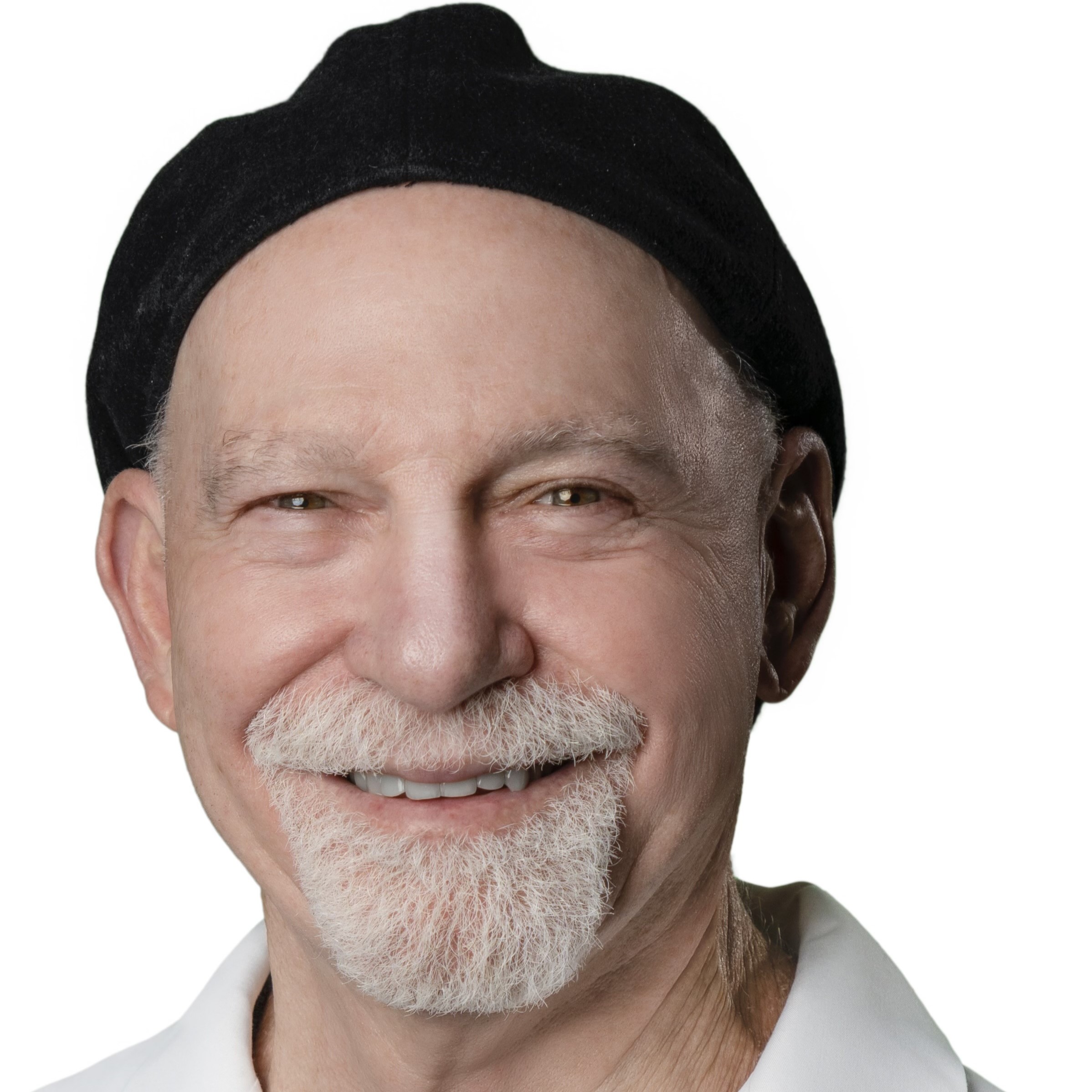
Steven T. Rosen, M.D., F.A.C.P, FASCO, FAIMBE, FRAP
Executive Vice President
Dr. Steven T. Rosen, Director Emeritus of Beckman Research Institute & City of Hope
Professor, Hematology and Hematopoietic Cell Transplantation, Schwartz Endowed Professorship City of Hope
Steven T. Rosen, M.D., F.A.C.P., FASCO, FAIMBE, FRAP, is the Executive Vice President, Director Emeritus of Beckman Research Institute & City of Hope, Professor, Hematology and Hematopoietic Cell Transplantation, Schwartz Endowed Professorship in Duarte, California. Following his graduation with distinction from Northwestern University Medical School’s Six-Year Honors Program in Chicago, Illinois, Dr. Rosen completed his residency in internal medicine at Northwestern and a fellowship in medical oncology at the National Cancer Institute in Maryland. He served as the Director of the Robert H. Lurie Comprehensive Cancer Center at Northwestern University Feinberg School of Medicine from 1989-2014.
Rosen’s laboratory research focuses on experimental therapeutics and hematologic malignancies. He has received funding from the National Cancer Institute (NCI), American Cancer Society, Leukemia and Lymphoma Society (LLS), Multiple Myeloma Research Foundation, Department of Defense and Rising Tide Foundation. Rosen has received numerous grant awards and contracts and has published more than 500 scientific papers. He is editor-in-chief of Cancer Treatment and Research. Rosen was the chair of the Medical Science Committee of the LLS and served on its Board. He also serves on the Board of American Society of Clinical Oncology’s Conquer Cancer Foundation. Rosen has been an advisor to more than two dozen NCI-designated Comprehensive Cancer Centers.
He was the recipient of Northwestern University Medical School’s Alumni Achievement Award (1994), the Martin Luther King Humanitarian Award from Northwestern Memorial Hospital (1995), the Marv Samuel Award from the Chicago Baseball Cancer Charities (1996), recognition from the Woman’s Board of Northwestern Memorial Hospital for Compassionate Care (1996), and Israel Cancer Research Fund, Man of Distinction Award (2011), and Lifetime Achievement Award (2015). Best Doctors in Chicago and Los Angeles. American Institute for Medical and Biological Engineering (AIMBE’s) College of Fellows (2017). Association of American Physicians (AAP) (2019). The Giants of Cancer Care award for 2021. America’s Best Doctors – Top Hematologist & Oncologist – Findatopdoc.com. The Excellence in Scientific Service Award -The Leukemia Lymphoma Society, Blood Cancer Community (2023). Fellow, Royal College of Physicians (2023). City of Hope Scientific Research Portrait Gallery of Honor (2024). Convalescent Aid Society. Community Impact Award (2024). Top Doctors in Los Angeles (2025). AVBCC – Lifetime Cancer Maverick 2026 Award.
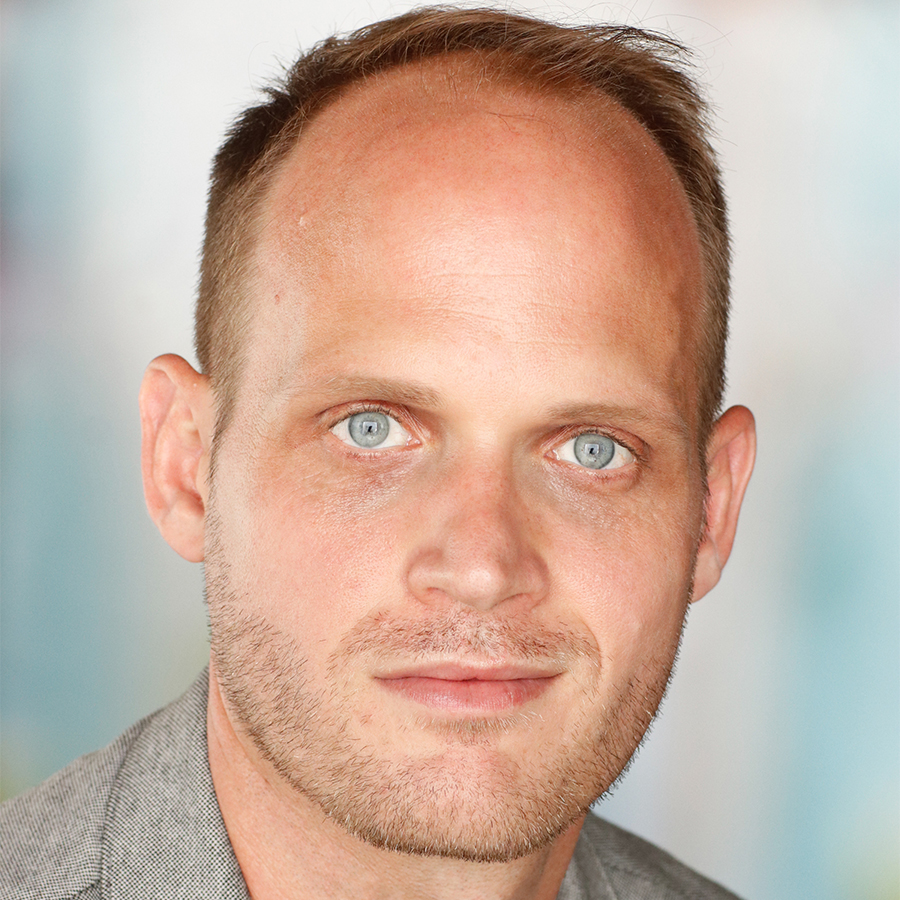
Tristan Scott Ph.D.: A novel Viral-Derived Epigenetic Gene Therapy Delivered via mRNA-Lipid Nanoparticles to Inhibit HPV-Associated Malignancies
Dr. Tristan Scott, Group Leader and Assistant Research Professor at City of Hope
Dr. Scott's work bridges discovery and translation, focusing on precision RNA and epigenetic repressors delivered through advanced non-viral systems, including lipid nanoparticles (LNPs) and extracellular vesicles (EVs). His research has naturally evolved from targeting viruses to addressing virus-driven cancers, with a particular focus on HPV-associated malignancies. His team is advancing LNP- and EV-based delivery platforms as innovative approaches for RNA interference, immunomodulation, and epigenetic repression in advanced preclinical, patient-derived models. Guided by a mission to translate creative ideas into real-world impact, Scott is committed to developing novel biotechnologies that enable new gene therapies for patients. Scott is an Elsa U. Pardee Foundation Awardee, ASGCT Innovation Awardee, and Termeer Scholar.
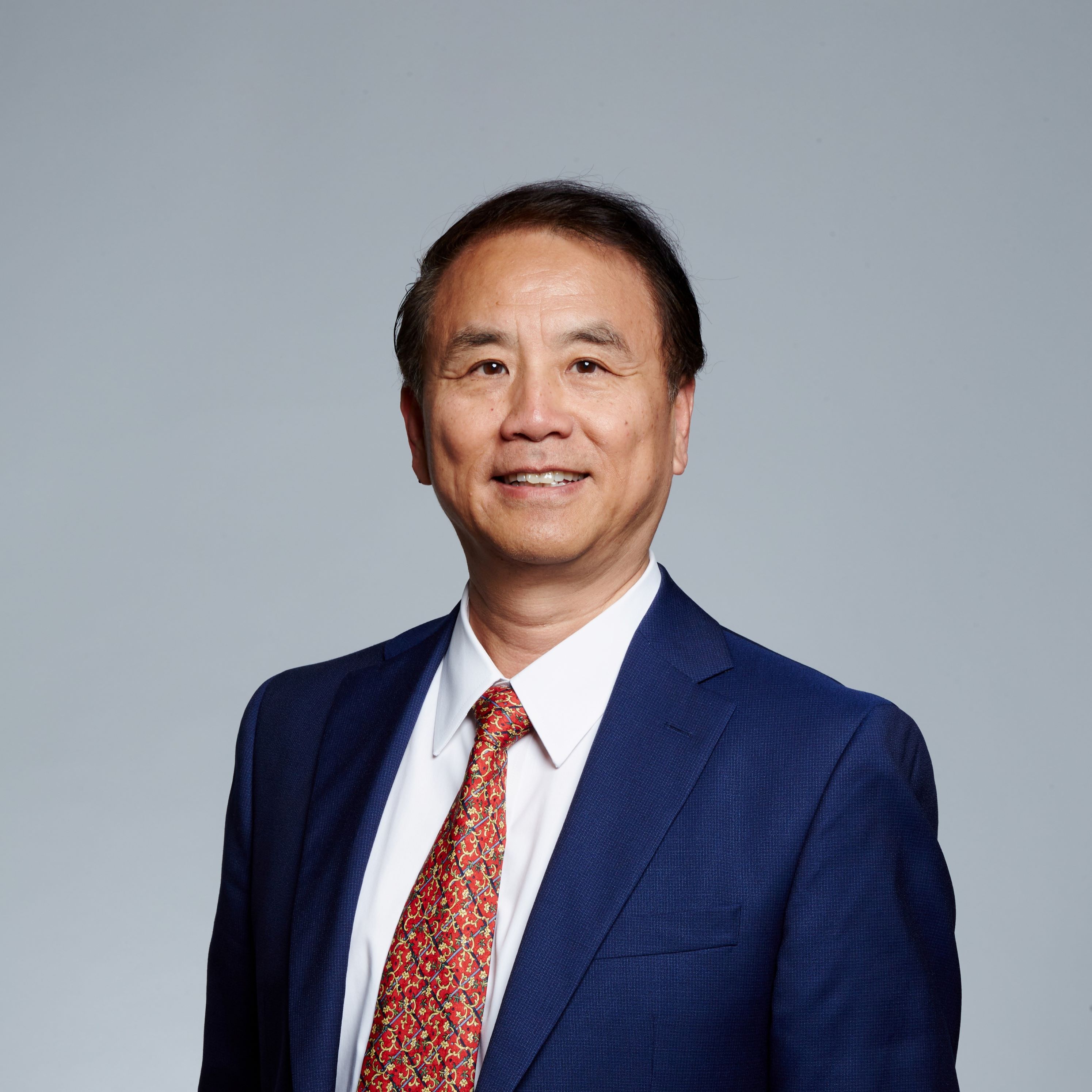
Dr. Yang Shi: PCIF1 and regulation of anti-tumor immunity
Dr. Yang Shi, Professor of Epigenetics, Oxford University
Dr. Shi received his Ph.D. and postdoctoral training from NYU and Princeton University, respectively. He began his independent research career at Harvard Medical School as a tenure track assistant professor in 1991 and received tenure and full professorship in the Department of Pathology at Harvard Medical School in 2004. In 2009 he joined Boston Children’s Hospital as a Merton Bernfield Professor in the Newborn Medicine Division. He became the inaugural C. H. Waddington Professor of Pediatrics of Harvard Medical School in 2018. In 2020, Yang joined Oxford University where he is currently Professor of Epigenetics and a member of the Ludwig Institute for Cancer Research. His was a recipient of the Ray Wu Award, the American Cancer Society Research Professorship and the National Cancer Institute Outstanding Investigator Award. He is also an elected member of the American Academy of Arts and Sciences, the AACR (American Association for Cancer Research) Academy, EMBO, National Academy of Medicine, UK Academy of Medical Sciences, National Academy of Sciences, and the Royal Society.
Yanhong Shi, Ph.D.: RNA modifications in brain cancer and beyond
Dr. Yanhong Shi, Professor and Chair of Department of Neurodegenerative Diseases and Director of Division of Stem Cell Biology Research at Beckman Research Institute of City of Hope, Herbert Horvitz Endowed Professor in Neuroscience, Beneficiary of the Christopher Family Endowed Innovation Fund for Alzheimer’s Disease Research, Elected Fellow of the American Institute for Medical and Biological Engineering (AIMBE)
The Shi laboratory at Beckman Research Institute of City of Hope is focused on human induced pluripotent stem cell (iPSC)-based disease modeling and cell therapy development, and RNA modifications in glioblastoma (GBM) and neurological diseases. The Shi laboratory is among the first to define the role of RNA modifications, including RNA m6A modification and pseudouridylation, in GBM tumorigenesis, and demonstrate preclinical efficacy of chemical inhibitors of the m6A eraser FTO and the pseudouridine synthase 7 (PUS7) in targeting GBM.
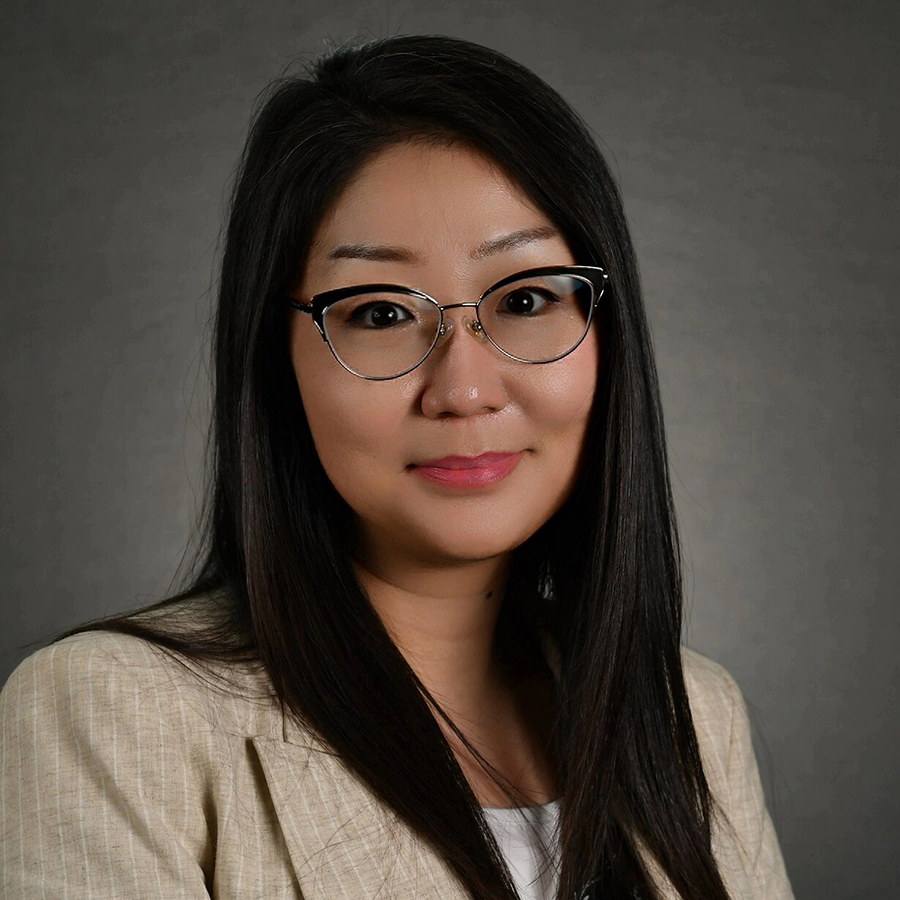
Minsun Song, Ph.D.: Inhaled RNA Aptamer Blocks SARS-CoV-2 Neuroinvasion and Prevents Neuropathology Across Variants
Dr. Minsun Song, Assistant Research Professor at the Beckman Research Institute of City of Hope
Dr. Song's research focuses on RNA-based therapeutics, targeted RNA delivery systems, and translational approaches for cancer, infectious diseases, neurodegenerative disorders, and rare diseases. Her work spans a broad range of RNA therapeutic platforms, including aptamers, siRNA, miRNA, saRNA, antisense oligonucleotides (ASOs), CRISPR-based systems, and ribozymes. Song has contributed to the development of transferrin receptor-targeted RNA aptamer delivery platforms and RNA therapeutics for brain-targeted delivery, immune modulation, and genetic disease applications. Her research integrates molecular biology, RNA engineering, and preclinical animal models to advance innovative RNA therapeutics toward clinical translation.
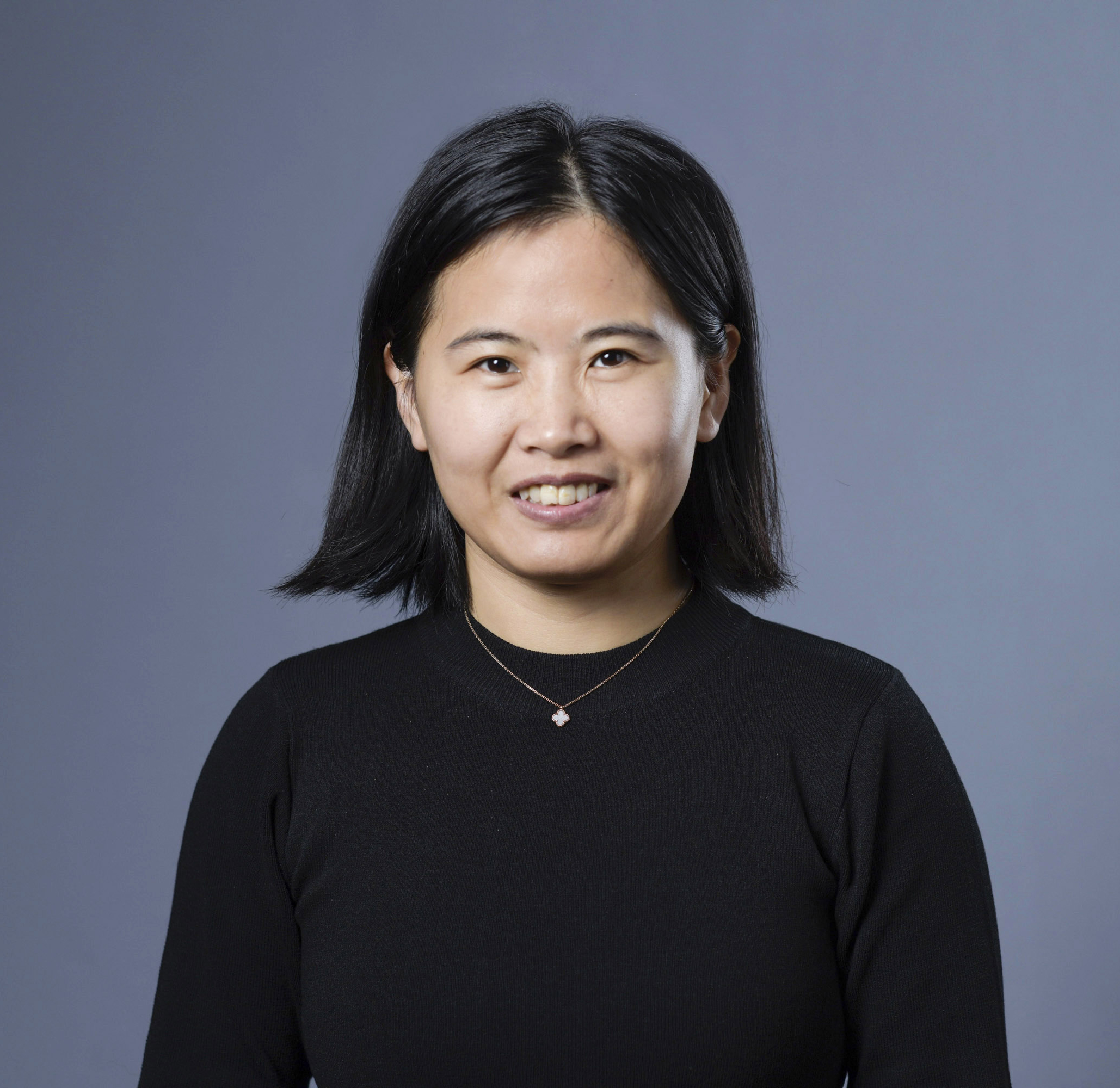
Rui Su, Ph.D.: Mitochondrial RNA modifications in leukemia metabolism
Dr. Rui Su, Assistant Professor in the Department of Systems Biology at City of Hope
Dr. Su's research focuses on RNA modifications and RNA-binding proteins in post-transcriptional regulation, biomolecular phase transitions, and leukemogenesis. She has made significant contributions to the field by uncovering critical functions of RNA modifications, including m6A, m5C, and m7G, in leukemia development, cancer stem cell maintenance, and metabolic reprogramming, thereby identifying promising therapeutic vulnerabilities for leukemia treatment. Her work has been recognized with multiple prestigious honors, including the NIH/NCI MERIT Award, NIH/NCI R01 Award, the AASLD Pinnacle Research Award, and the St. Baldrick’s Foundation Scholar Award.
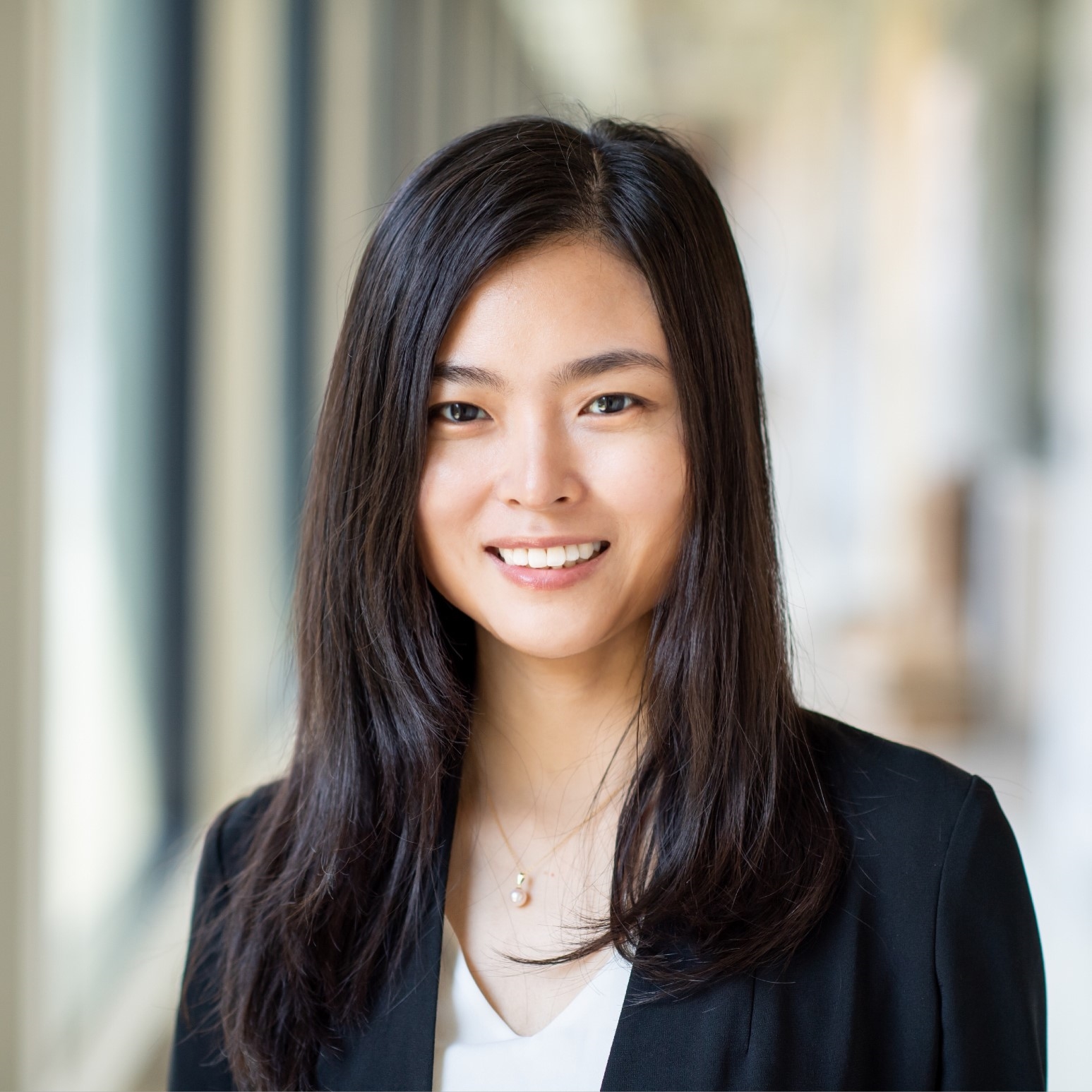
Xiao Wang, Ph.D.: Deconstruct and reprogram RNA life cycle
Associate Professor, Department of Chemistry , Massachusetts Institute of Technology (MIT), and member, Broad Institute of MIT and Harvard
Dr. Wang started her lab in 2019 to develop and apply new chemical, biophysical, and genomic tools to better understand tissue function and dysfunction at the molecular level. Wang joined the MIT and Broad after conducting postdoctoral research at Stanford University Bioengineering with Professor Karl Deisseroth, where she was a fellow of the Life Sciences Research Foundation. Wang received her B.S. in Chemistry and Molecular Engineering from Peking University and her Ph.D. in Chemistry from the University of Chicago with Professor Chuan He.
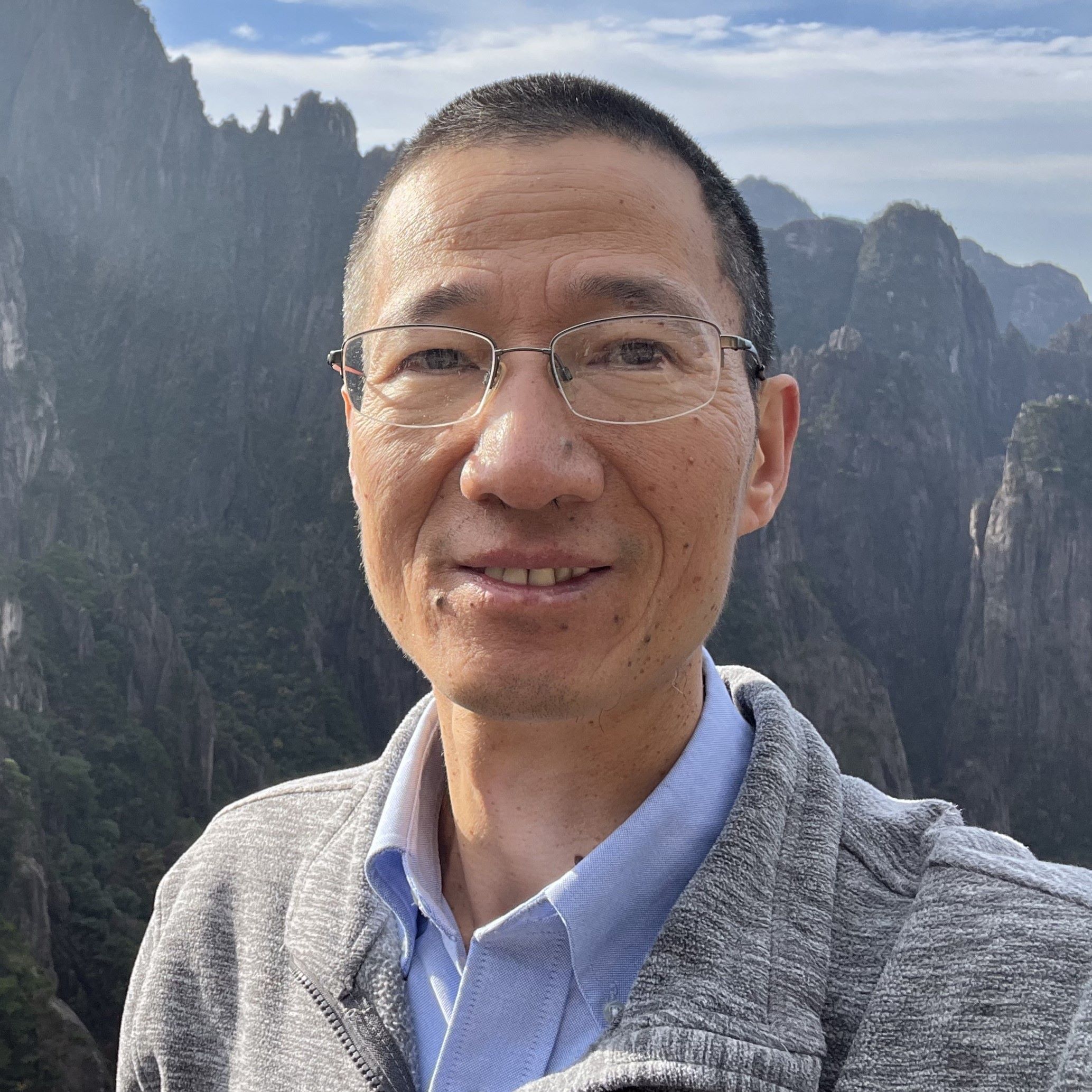
Yinsheng Wang, Ph.D.: RNA Modifications and CAG Repeat Expansion Diseases
Dr. Yinsheng Wang, Distinguished Professor and Donald T. Sawyer Endowed Founder's Chair in Chemistry
Dr. Wang's current research involves the use of mass spectrometry, synthetic organic chemistry, molecular biology, genetic and genomic tools for assessing the occurrence, repair and biological consequences of DNA damage. His ongoing research also includes functional characterizations of modified nucleosides in RNA and their implications in human diseases. Over 100 Ph. D. students and post-doctoral fellows have been trained or are currently being trained with Wang. He was elected as a Fellow for the American Association for the Advancement of Sciences in 2012, and he was the inaugural recipient for the Chemical Research in Toxicology Young Investigator Award in 2012. He also received the ASMS Biemann Medal in 2013, the NIEHS RIVER award in 2020, and the Founders Award from the ACS Division of Chemical Toxicology in 2023.
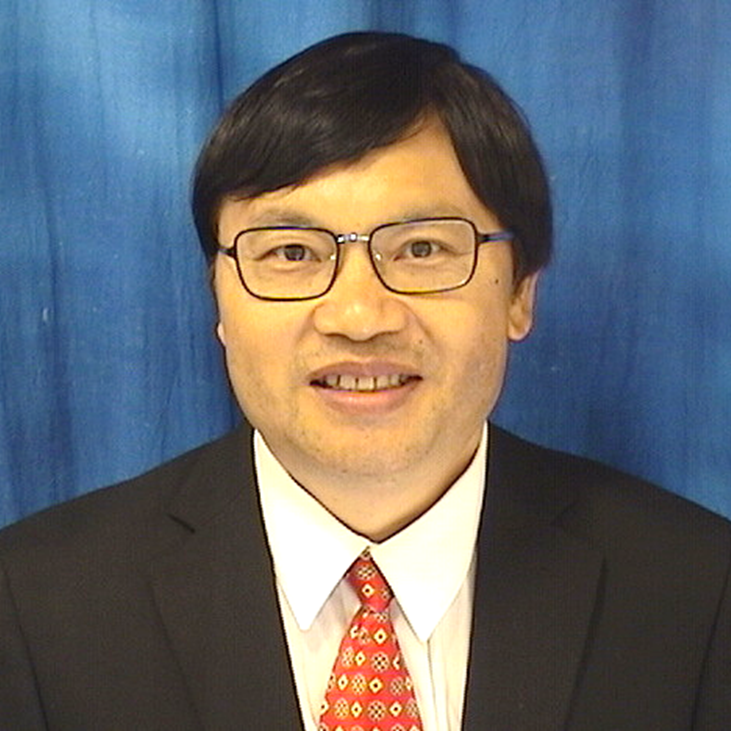
Jianhua Yu, Ph.D.: YTHDF2 Reads m6A RNA Methylation in Immune Cells
Dr. Jianhua Yu, Tenured Full Professor in the Department of Medicine at the School of Medicine, University of California, Director of the Clemons Family Center for Transformative Cancer Research
Dr. Yu is internationally recognized for his fundamental contributions to understanding how innate immune cells defend against tumor cells, including at the genetic and epigenetic (e.g., RNA methylation) levels. He is a pioneer in developing chimeric antigen receptor (CAR) cell therapies and has also made significant contributions to oncolytic virotherapy. Several discoveries from his laboratory have advanced to clinical trials. To date, Dr. Yu has published 280 peer-reviewed papers with ~28,000 citations and an H-index of 92. He has published senior-author original studies in leading journals, including Cell, Nature Biotechnology, Nature Immunology, Science Immunology, Nature Cancer, Cancer Discovery, Immunity, and Cell Stem Cell. Dr. Yu also holds over 50 patents and was elected as a Fellow of the National Academy of Inventors, the American Academy of Microbiology, and the American Institute for Medical and Biological Engineering.
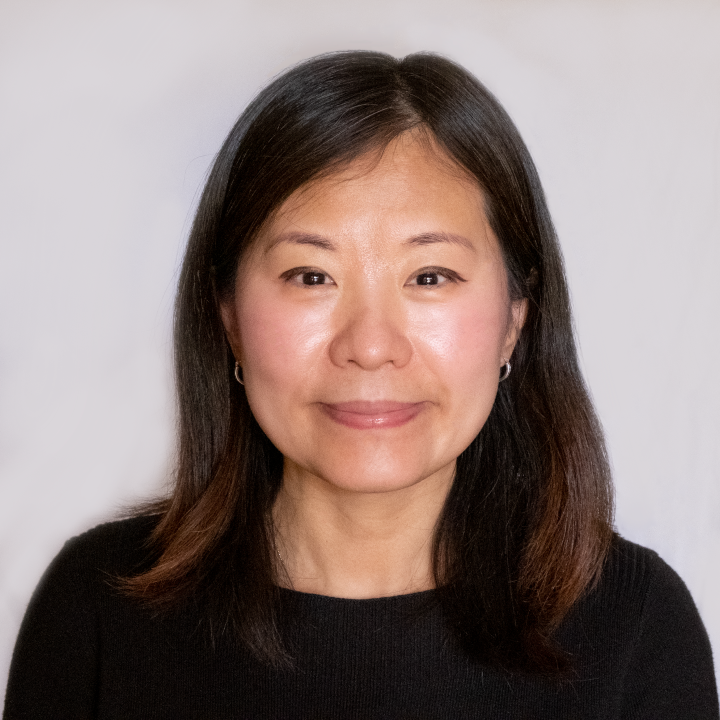
Dr. Bin (Amber) Zhang: Targeting immunosuppressive tumor microenvironment in B-ALL
Dr. Bin (Amber) Zhang, Associate Professor in the Department of Hematological Malignancies Translational Science at the Beckman Research Institute of City of Hope
Dr. Zhang's research focuses on leukemia biology, particularly leukemia stem cells, tumor microenvironment interactions, and mechanisms of treatment resistance in AML, ALL, and CML. She integrates basic and translational approaches to develop novel targeted therapies, including microRNA-based therapeutics and CAR T cell immunotherapy. Dr. Zhang has authored over 80 peer-reviewed publications in high-impact journals and has secured multiple NIH R01 grants as Principal Investigator. Notably, she co-invented CpG-oligonucleotide therapeutics, including miRisten, currently in clinical trials for AML, and contributed to the development of IL1RAP-targeted CAR T therapy, advancing toward clinical application.
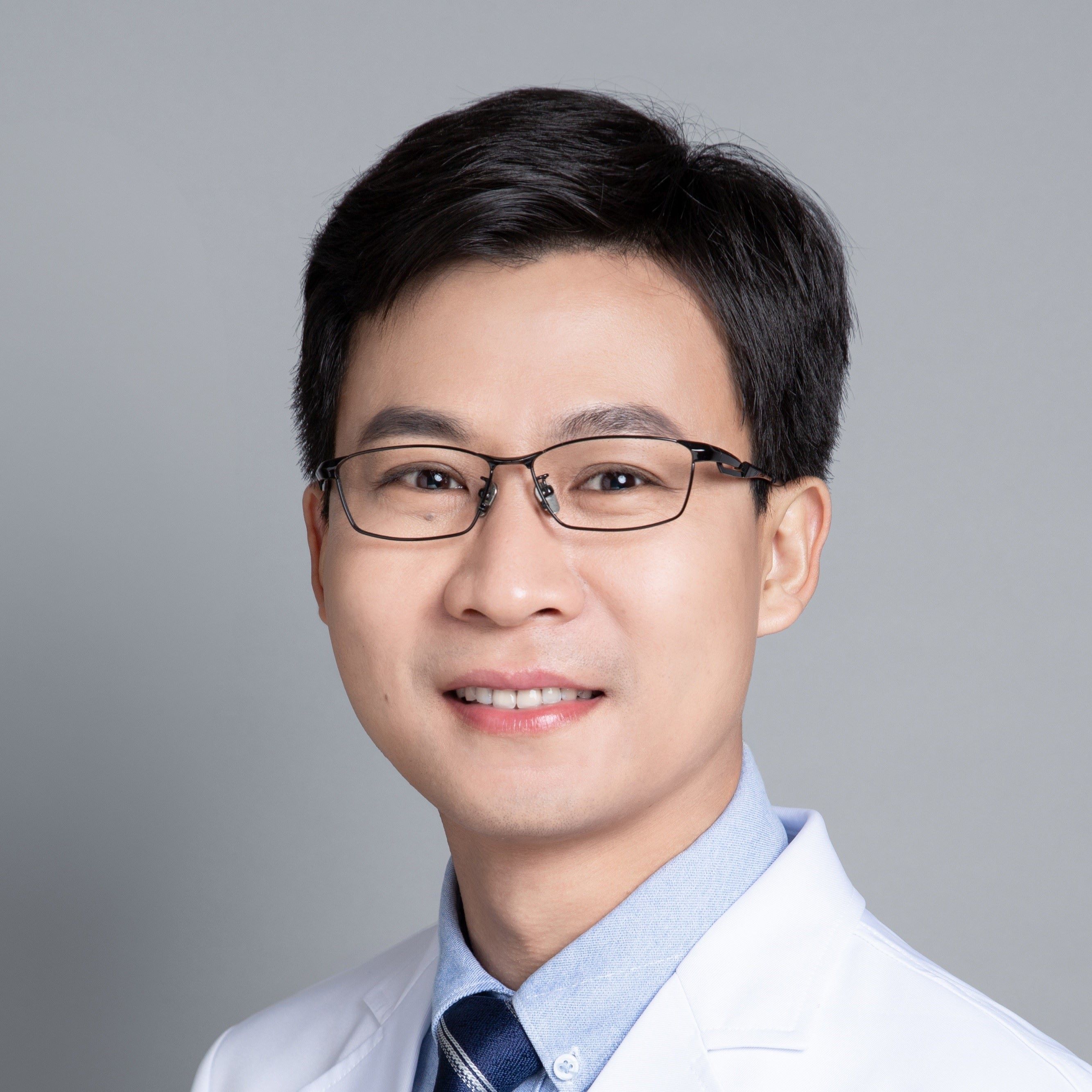
Jian Zheng, Ph.D.: Epigenetic Rewiring in Pancreatic Cancer: Tumor-Microenvironment Crosstalk and Novel Therapeutic Targets
Vice Dean of the Institute of Scientific Research, Sun Yat-sen University Cancer Center (SYSUCC); Research Fellow, Doctoral Supervisor, and Principal Investigator at the State Key Laboratory of Oncology in South China, Sun Yat-sen University Cancer Center
Dr. Zheng’s research centers on epigenetic regulatory mechanisms governing pancreatic cancer progression. His lab systematically deciphers the molecular networks governing tumor-microenvironment crosstalk and delineates the functional roles of core epigenetic regulators in cancer cell chromatin remodeling, with the ultimate goal of identifying diagnostic biomarkers and therapeutic targets to advance precision oncology. As senior corresponding author, he has published 19 research articles in high-impact journals such as Cell Metabolism, Nature Genetics and Nature Cell Biology. He has secured five granted patents in both China and the United States, and multiple translational outcomes from his research have been transferred for clinical and industrial development.