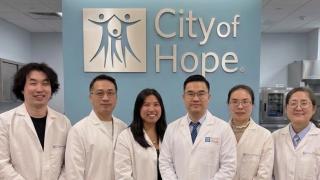
Le Xuan (Truong) Nguyen Lab
Research Overview
A central focus of our work is defining the mitochondrial, nucleolar and transcriptional vulnerabilities that sustain leukemic stem cells and solid tumor cancer stem cells. By integrating mechanistic biology with translational models, we aim to transform fundamental discoveries into first in class therapies capable of delivering durable clinical responses.
We lead multiple drug development programs spanning small molecules, plant-derived natural products and immunotherapies. Our small molecule efforts target cancer associated PCNA to induce transcription–replication conflicts, disrupt metabolic fitness, and eliminate cancer stem cells. In parallel, our natural product program identifies bioactive plant compounds that trigger ferroptosis and apoptosis while suppressing ribogenesis in therapy resistant stem cells. Complementing these approaches, we develop immune-based strategies — including bispecific antibodies and CAR T platforms — to redirect T cells toward leukemic stem cell-enriched antigens and eradicate residual disease. Across all programs, we emphasize pharmacokinetic or pharmacodynamic integration, biomarker discovery and rational combination strategies to accelerate clinical translation.
Additionally, our laboratory investigates microRNA-based regulation of cancer metabolism and immune function, leveraging miRNA targeting platforms to simultaneously suppress malignant stemness and enhance anti tumor immunity. Collectively, our research unites systems level mechanism with therapeutic innovation, propelling small molecules, natural products, and immunotherapies from bench to bedside. Our long-term goal is to establish broadly applicable, mechanism-guided treatments that overcome therapeutic resistance and improve outcomes for patients with high-risk and refractory cancers.
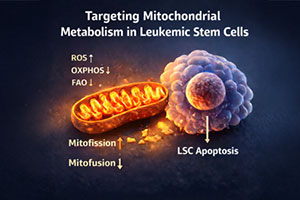
Targeting Mitochondrial Metabolism in Leukemic Stem Cells
This project aims to define and therapeutically exploit mitochondrial vulnerabilities in leukemic stem cells (LSCs), the key drivers of relapse and treatment resistance in leukemia. We investigate how disrupting oxidative phosphorylation (OXPHOS), fatty acid oxidation (FAO), and mitochondrial dynamics (fission–fusion balance) elevates oxidative stress and selectively triggers LSC apoptosis while sparing normal hematopoietic cells. By integrating mechanistic studies with drug development and translational models, this work seeks to establish mitochondrial metabolism as an actionable therapeutic axis and advance metabolism‑targeted strategies toward clinical application for high‑risk and therapy‑resistant leukemia.
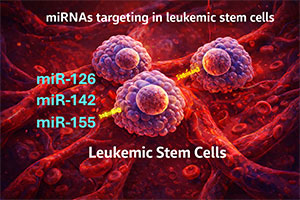
miRNA Targeting in Leukemic Stem Cells
This project examines how microRNAs regulate LSC survival and interactions with the vascular niche. We focus on key miRNAs that modulate stemness, mitochondrial metabolism, and therapy resistance while shaping the leukemic microenvironment. Through the development of miRNA‑based therapeutic approaches, our goal is to selectively eliminate LSCs and disrupt their protective niche, offering a novel strategy to prevent relapse and enhance treatment responses in leukemia.
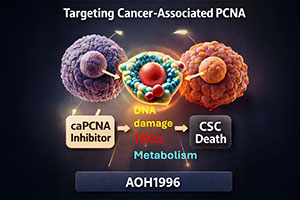
Targeting Cancer‑Associated PCNA to Eliminate Cancer Stem Cells
This project centers on therapeutically targeting cancer‑associated PCNA (caPCNA) to disrupt core survival pathways in both leukemic and solid‑tumor stem cells. Using the first‑in‑class caPCNA inhibitor AOH1996, we investigate how caPCNA inhibition induces transcription–replication conflicts (TRCs), DNA damage, and metabolic reprogramming, ultimately driving cancer stem cell death. By coupling mechanistic studies with translational models, this work aims to establish caPCNA as a critical vulnerability in therapy‑resistant cancers and support the advancement of AOH1996 toward clinical application for durable disease control.
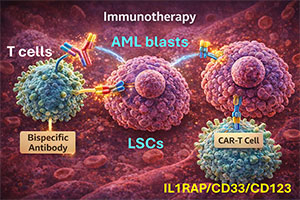
Immunotherapy Targeting Leukemic Stem Cells
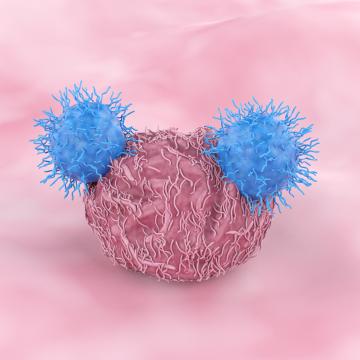
This project develops immune‑based strategies to eradicate leukemic stem cells (LSCs) and AML blasts using bispecific antibodies and CAR‑T cell platforms. By targeting LSC‑enriched surface antigens—including IL1RAP, CD33, and CD123—we aim to redirect T cells toward therapy‑resistant leukemic populations and eliminate residual disease. Our work integrates antibody engineering, CAR design, and functional immune assays to optimize specificity and potency, with the goal of translating next‑generation immunotherapies into the clinic for durable leukemia control.
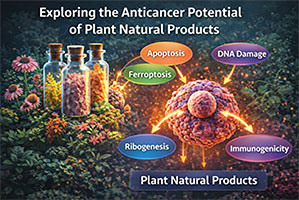
Plant Natural Products Targeting Cancer Stem Cells
This project focuses on discovering and developing plant‑derived natural products that selectively eliminate leukemic and solid‑tumor stem cells. We investigate how these bioactive compounds induce ferroptosis and apoptosis while disrupting ribogenesis and tumor immunogenicity, thereby targeting core survival pathways in therapy‑resistant cancer stem cells. By integrating mechanism‑of‑action studies with translational models, formulation optimization, and pharmacokinetic/pharmacodynamic analyses, this work aims to advance first‑in‑class natural‑product‑based therapeutics toward clinical application for durable cancer control.
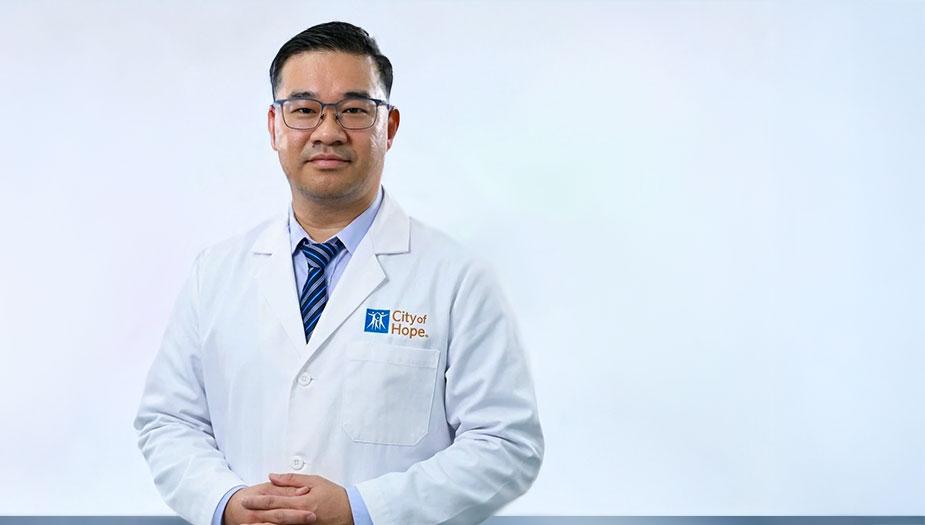
Le Xuan (Truong) Nguyen is an assistant professor in Hematologic Malignancies Translational Science at City of Hope and an adjunct assistant professor at the Translational Genomics Research Institute (TGen). His laboratory focuses on understanding and therapeutically targeting cancer stem cell–driven programs that promote treatment resistance and disease relapse across both hematologic malignancies and solid tumors. His research integrates mechanistic cancer biology with drug development to advance first‑in‑class therapies toward clinical translation.
Lab Members

HyunJun Kang received his doctorate in Cellular and Molecular
...
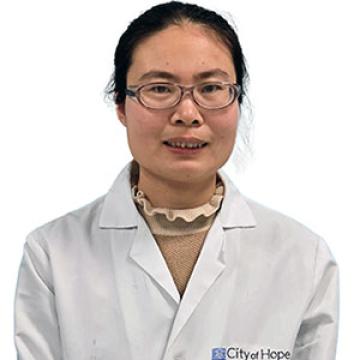
HyunJun Kang received his doctorate in Cellular and Molecular Pathology from the University of Wisconsin-Madison. He joined Dr. Nguyen’s laboratory in 2022 and has been conducting research there since. His work focuses on developing therapeutic molecules and innovative approaches for cancer treatment by exploring natural products, drug combinations, therapeutic antibodies, CAR T cells and genetically targeted cancer specific molecules.
Email
[email protected]
Research FocusTranslational development of targeted
...
Research Focus
Translational development of targeted small-molecule therapeutics for leukemia, myelodysplastic syndromes, and other malignancies.
Education
- 2007-2011
B.S., Shandong Agricultural University, China - 2011-2014
M.S., Institute of Microbiology, Chinese Academy of Sciences - 2014-2017
Ph.D., Institute of Oceanology, Chinese Academy of Sciences
Professional Experience
- 2018-2020
Postdoctoral Fellow, Shanghai University of Traditional Chinese Medicine - 2020-2021
Assistant Researcher, Shanghai University of Traditional Chinese Medicine - 2022-2025
Associate Researcher, Shanghai University of Traditional Chinese Medicine - 2024-2025
Visiting Scholar, City of Hope National Medical Center - 2025-present
Staff Scientist, City of Hope National Medical Center
Publications
- Zhu YY*, Yang LQ*, Xu JZ*, Yang XY, Luan PW, Cui QF, Zhang P, Wang FY, Li RY, Ding XY, Jiang LX, Lin GQ, Zhang JG#. Discovery of the anti-angiogenesis effect of eltrombopag in breast cancer through targeting of HuR protein. Acta Pharm Sin B. 2020 Aug;10(8):1414-1425.
- Yang LQ*, Yu SP*, Yang YT, Zhao YS, Wang FY, Chen Y, Li QH, Tian P#, Zhu YY#, Zhang JG#, Lin GQ. Muscone derivative ZM-32 inhibits breast tumor angiogenesis by suppressing HuR-mediated VEGF and MMP9 expression. Biomed Pharmacother. 2021 Apr;136:111265.
- Chen Y*, Zhang R*, Yang LQ, Zhang P, Wang FY, Lin GQ, Zhang JG#, Zhu YY#. Eltrombopag Inhibits Metastasis in Breast Carcinoma by Targeting HuR Protein. Int. J. Mol. Sci. 2023;24:3164.
- Luo CY*, Chen GZ*, Li RX, Peng SJ, Zhang P, Wang FY, Yu SP, Zhu YY#, Zhang JG#. Juglone suppresses vasculogenic mimicry in glioma through inhibition of HuR-mediated VEGF-A expression. Biochem Pharmacol. 2024 Sep;227:116458.
- Zhu YY*, Huang P, Yang N, Liu R, Liu X, Dai H, Zhang L, Song FH#, Sun CM#. Establishment and Application of a High Throughput Screening System Targeting the Interaction between HCV Internal Ribosome Entry Site and Human Eukaryotic Translation Initiation Factor 3. Front Microbiol. 2017 May 29;8:977.
- Yu SP*, Zhu YY*, Xu J, Yao G, Zhang P, Wang M, Zhao Y, Lin GQ, Chen HZ, Chen LL#, Zhang JG#. Glycyrrhizic acid exerts inhibitory activity against the spike protein of SARS-CoV-2. Phytomedicine. 2021 May;85:153364.
- Yu SP*, Chen Y*, Xiang Y, Lin H, Wang M, Ye W, Zhang P, Chen HZ, Lin GQ, Zhu YY#, Chen LL#, Zhang JG#. Pseudoephedrine and its derivatives antagonize wild and mutated severe acute respiratory syndrome-CoV-2 viruses through blocking virus invasion and antiinflammatory effect. Phytother Res. 2021 Oct;35(10):5847-5860.
- Xu JZ*, Zhang P*, Chen Y*, Xu Y, Luan PW, Zhu YY#, Zhang JG#. Sodium tanshinone IIA sulfonate ameliorates cerebral ischemic injury through regulation of angiogenesis. Exp Ther Med. 2021 Oct;22(4):1122.
- Zhang P*, You SX*, Ding XY*, Luan PW, Xu JZ, Cui QF, Wang FY, Li RY, Zhu YY#, Zhang JG#. Protective effect and underlying mechanism of muscone on acute cerebral ischemia-reperfusion injury in rats. J Ethnopharmacol. 2023 May 23;308:116287.
- Xu JZ*, Shen Y*, Luan PW*, Wang H, Xu YL, Jiang LX, Li RX, Wang FY, Zhu YY#, Zhang JG#. Pro angiogenic activity of salvianolate and its potential therapeutic effect against acute cerebral ischemia. Exp Ther Med. 2023 Jul 10;26(2):409.
- Liu F*, Zhu YY*, Yi Y, Lu N, Zhu BL, Hu YF#. Comparative genomic analysis of Acinetobacter baumannii clinical isolates reveals extensive genomic variation and diverse antibiotic resistance determinants. BMC Genomics. 2014 Dec 22;15(1):1163.
- Zhu YY*, Yi Y, Liu F, Lv N, Yang X, Li J, Hu YF#, Zhu BL#. Distribution and molecular profiling of class 1 integrons in MDR Acinetobacter baumannii isolates and whole genome-based analysis of antibiotic resistance mechanisms in a representative strain. Microbiol Res. 2014 Nov;169(11):811-816.
- Zhu YY*, Ma N*, Jin W, Wu SM, Sun CM#. Genomic and Transcriptomic Insights into Calcium Carbonate Biomineralization by Marine Actinobacterium Brevibacterium linens BS258. Front Microbiol. 2017 Apr 6;8:602.
- Jiang LX*, Zhu YY*, Luan PW, Xu JZ, Ru G, Fu JG, Sang NN, Xiong Y, He Y, Lin GQ, Wang JX, Zhang JG#, Li RY#. Bacteria-Anchoring Hybrid Liposome Capable of Absorbing Multiple Toxins for Antivirulence Therapy of Escherichia coli Infection. ACS Nano. 2021 Mar 23;15(3):4173-4185.
Email
[email protected]
Melissa Valerio received her Bachelor of Science in biochemistry
...
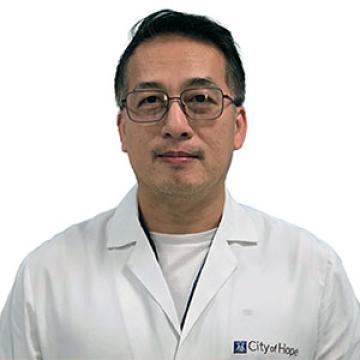
Melissa Valerio received her Bachelor of Science in biochemistry from the University of California, Riverside, and her master’s and Ph.D. in translational medicine from City of Hope’s Irell & Manella Graduate School of Biological Sciences. She has been a member of Dr. Nguyen’s laboratory for six years, earning her doctorate under Dr. Nguyen’s guidance, and has continued her research as a postdoctoral fellow in the lab. Her work focuses on developing and evaluating potential therapeutic molecules for the treatment of hematologic malignancies and solid tumors. Her studies include investigating the efficacy and mechanisms of various natural products, small molecules, T cell–engaging antibodies and chimeric antigen receptor (CAR) T cells.
Email
[email protected]
[email protected]
Seong (Seongsik) Won earned her master’s degree in molecular
...
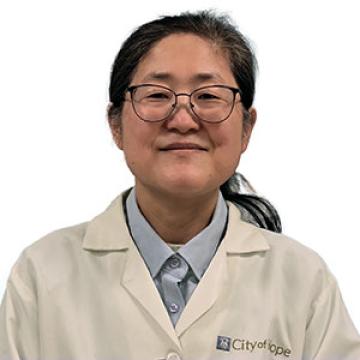
Seong (Seongsik) Won earned her master’s degree in molecular immunology from Konkuk University in South Korea. She joined Dr. Nguyen’s laboratory in 2025, where she focuses on testing therapeutic small molecules and drug candidates, primarily through in vitro studies, with additional in vivo work involving B-cell acute lymphoblastic leukemia and solid tumors. Seong is dedicated to advancing the lab’s efforts in developing and applying metabolomics approaches to various cancer models, including innovative natural extracts, to make meaningful contributions to the fight against cancer.
Email
[email protected]
Our Publications
Latest Research News
Contact Information
34.1291661, -117.9725847
Duarte, CA 91010