Center for Cancer and Aging
Introduction
The Center for Cancer and Aging at City of Hope is dedicated to improving cancer care for older adults through innovative research, multidisciplinary collaboration, and evidence-based clinical approaches. The Center brings together experts in geriatric oncology, aging science, behavioral research, analytics, supportive care, and clinical translation to better understand how aging influences cancer outcomes and care delivery, ultimately advancing more personalized, evidence-informed care across City of Hope and beyond.
As the U.S. population ages, the number of older adults diagnosed with and surviving cancer continues to rise, with individuals aged 65 and older representing a growing majority of cancer diagnoses and mortality. Despite this, older adults have historically been underrepresented in clinical trials that guide oncology care, and their unique needs, including age-related physiological changes, comorbidities, and treatment tolerance, remain insufficiently studied.
Inspired by the pioneering work of Dr. Arti Hurria, who passed away in November 2018, City of Hope’s Center for Cancer and Aging brings together investigators across disciplines to study the biology, treatment, and survivorship challenges facing older adults with cancer. Through this work, the Center aims to generate insights and solutions that improve outcomes for older adults while informing care for the broader cancer population.
Our Mission
To join investigators across disciplines to study the biology, treatment, and survivorship issues that affect older adults with cancer.
Our Objectives
- Eliminating toxicities from cancer and its treatments
- Maximizing function across the lifespan for patients, families, and communities
Strategic Goals
The Center for Cancer and Aging at City of Hope is focused on three core goals:
- Integrate basic science with translational biology to better understand how cancer and its treatment affect aging, and how aging influences cancer care.
- Continue building the infrastructure needed to drive innovative, team-based, translational cancer and aging research.
- Implement scalable, evidence-based care models grounded in geriatric assessment and older-adult-centered care.
Research Focus Areas
The Center’s current research initiatives include:
- Practical geriatric assessment and risk prediction
- Decision-making and patient preferences
- Cancer and accelerated aging
- Therapeutic trials in older adults with cancer
- Cognitive effects of cancer therapy
- Care models for older adults, including telemedicine and related innovations
Clinical Translation and Care Delivery
A major strength of the Center is translating research into clinical practice through innovative care models and clinical research programs.
- OASIS (Older Adults Specialized Interdisciplinary Services). Learn More About OASIS
- SOCARE Clinic (Specialized Oncology Care and Research for Elders). Explore SOCARE
- Aging Wellness Consult Clinic
- Aging and Blood Cancers Clinic
- City of Hope's leadership in clinical trials supports the development and evaluation of innovative approaches to improve outcomes for older adults with cancer. Explore Clinical Trials
Global Collaboration
The late Dr. Arti Hurria founded the Cancer and Aging Research Group (CARG), a global network of geriatric oncology investigators. Complementing the Center’s work, CARG connects researchers across institutions to design and implement clinical trials, foster collaboration, and advance the field of geriatric oncology. Explore CARG
What We Offer
The Center provides:
- Specialized expertise in geriatric oncology, aging biology, and supportive care for older adults
- Multidisciplinary collaborations across clinical, scientific, and behavioral teams
- Infrastructure to support aging-focused studies from concept development through implementation
- Evidence-based tools and assessments that support safer, more tailored treatment planning
- Training and educational opportunities for clinicians, researchers, and staff
Why This Work Matters
Cancer disproportionately affects older adults, with approximately 60% of diagnoses and 70% of cancer-related deaths occurring in individuals aged 65 and older. Yet, older adults have historically been underrepresented in clinical trials that guide cancer care, leaving critical gaps in evidence to inform treatment decisions.
As the population continues to age, the need for research and care models tailored to older adults is rapidly growing. Older patients often present with complex medical conditions, take multiple medications, and have unique priorities that influence treatment decisions and outcomes.
Recognizing that chronological age alone does not define health status, the Center for Cancer and Aging advances research and clinical approaches—such as geriatric assessment—to better understand functional age and guide more personalized, safe, and effective cancer care.
Leadership Team
Director

William Dale, M.D., Ph.D., F.A.S.C.O., is the Vice Chair of Academic Affairs for the Department of Supportive Care Medicine.
Deputy Directors

Mark LaBarge is a Professor in the Department of Population Sciences with a focus on breast cancer research.
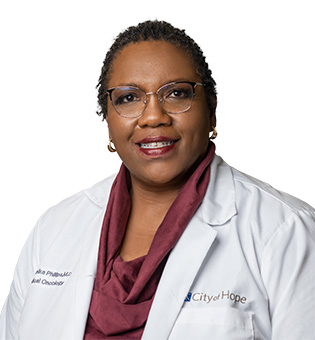
Tanyanika Phillips, M.D., M.P.H., is a medical oncologist and assistant professor in the Department of Medical Oncology & Therapeutics Research.

Andrew Artz, M.D., M.S., is a professor at City of Hope’s Hematologic Malignancies Research Institute.
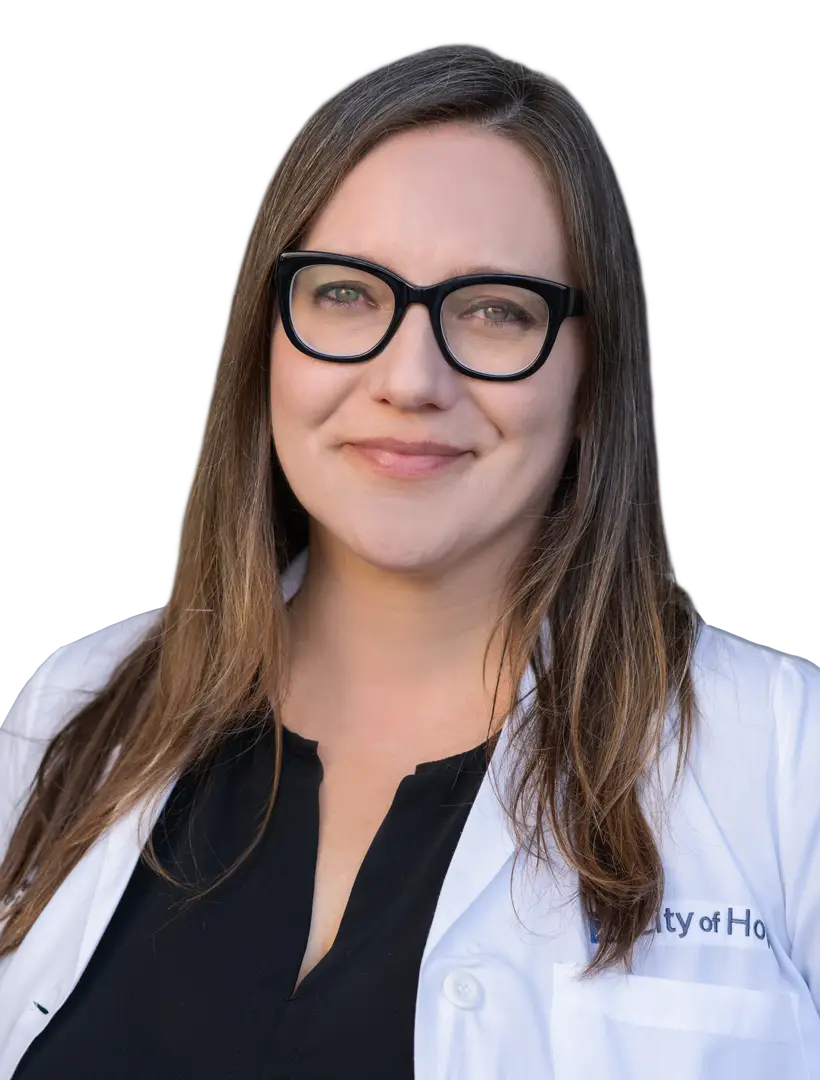
Kathleen Van Dyk, Ph.D., is an associate clinical professor in the Department of Supportive Care Medicine.

Canlan Sun, Ph.D., is an associate research professor in the Department of Supportive Care Medicine at City of Hope.
Leadership
Team Members
Geriatric Oncology Clinical Initiatives
Geriatric Oncology Nurse Practitioner
Geriatric Oncology Nurse Practitioner
Patient Education Program Manager
CARG Administrative Support
Associate Project Manager
Associate Project Manager
Cancer and Aging Studies - Research Staff
Biostatistician
Clinical Research Associate
Clinical Research Associate
Clinical Research Associate
Clinical Research Associate
Administrative Program Coordinator
Collaborate With Us
The Center supports research and clinical collaborations across the enterprise, including: protocol development, observational and clinical trial design, power/sample size calculation, data management and analysis, grant support, geriatric assessment training, and consultative services.
We welcome opportunities to partner on research, clinical innovation, and aging-focused supportive care initiatives.
For collaboration inquiries or additional information, please contact:
Vani Katheria - [email protected]
CARG - [email protected]
Support Our Work
Supportive Care Research and Training programs are made possible in part through philanthropic contributions and external funding.
Remembering Arti Hurria, M.D.
The City of Hope community was deeply impacted by the untimely passing of Dr. Arti Hurria, founding director of the Center for Cancer and Aging. She is survived by her husband, Thomas Lee, M.D., and her daughter, Serena, as well as her lasting legacy at City of Hope, where she pioneered the field of geriatric oncology and transformed care for older adults with cancer.
“Dr. Arti Hurria was known by many and loved by all who had the pleasure to work with her,” said Robert Stone, president and chief executive officer of City of Hope. “Her passion for her patients, her team and her colleagues was only surpassed by her passion for her family, especially her daughter.”
“I am always cautious to use the term ‘perfect’ for my colleagues in academic medicine,” said Sumanta Pal, M.D., co-director of the Kidney Cancer Program at City of Hope. “Some might excel in clinical medicine, but lack in research expertise – some may excel in hospital politics, but they lack interpersonal skills that guide day-to-day interactions with peers. Dr. Hurria was flawless. She was perfect in every way.”
Dr. Hurria, the George Tsai Family Chair in Geriatric Oncology, specialized in the care of patients aged 65 and older. A trained geriatrician and oncologist who completed fellowships at Harvard and Memorial Sloan Kettering Cancer Center, she dedicated her career to improving treatments for older adults while minimizing side effects and preserving quality of life.
Her vision and leadership continue to shape the Center’s mission and its commitment to advancing research, clinical care, and education in cancer and aging.
Resources for the Older Adult
Support physical function, independence, and overall well-being.
Educational Resources
- Exercises for endurance, strength, balance, and flexibility (https://www.nia.nih.gov/health/exercise-and-physical-activity)
Community Resources (Los Angeles Area)
- Convalescent Aid Society (https://convalescentaidsociety.com/)
MediCal Recipients
- Los Angeles County: (888) 944-4477
- In-Home Supportive Services (IHSS) (https://dpss.lacounty.gov/en/senior-and-disabled/ihss.html)
- San Bernardino County: (877) 800-4544
- Riverside County: (888) 960-4477
- Orange County: (714) 825-3000
Next Steps
- Contact your insurance provider about home health aide coverage
- Ask your care team for referrals to:
- Occupational Therapy
- Physical Therapy
- Social Work
Promote strength, recovery, and overall health through proper nutrition.
Educational Resources
- Dietary Supplements: What You Need to Know (NIH) (https://ods.od.nih.gov/pubs/DS_WhatYouNeedToKnow.pdf)
- Nutrition and Supplements Guidance (Mayo Clinic) (https://www.mayoclinic.org/healthy-lifestyle/nutrition-and-healthy-eating/basics/nutritional-supplements/hlv-20049477)
Food and Nutrition Support
National
- Feeding America - Find your local food bank (https://www.feedingamerica.org/find-your-local-foodbank)
- Meals on Wheels America (https://www.mealsonwheelsamerica.org/)
Los Angeles Area
- Dial 2-1-1 for local programs
- Project Angel Food: (800) 761-8889
- CalFresh (income-based assistance)
- Riverside County: (951) 683-7151
- Orange County: (714) 639-4820
Maintain communication, safety, and quality of life.
Educational Resources
- Age-Related Hearing Loss (NIH) (https://www.nidcd.nih.gov/health/age-related-hearing-loss)
Community Resources
- California Phones (California Telephone Access Program) (https://caconnect.org/)
Next Steps
- Seek hearing evaluations and services
- Ask your provider for a referral
Support eye health and manage age-related vision changes.
Educational Resources
- National Eye Institute – Vision Loss & Eye Health Toolkit
- Vision Loss and Blindness (Information regarding macular degeneration, glaucoma, cataracts, and diabetic retinopathy) (https://www.caregiver.org/resource/vision-loss-and-blindness/)
- Healthy eyes toolkit (National Eye Institute Resources to promote eye health in your community) (https://www.nei.nih.gov/about/education-and-outreach/healthy-vision-resources/healthy-eyes-toolkit)
- Locate an eye care specialist (https://www.nei.nih.gov/eye-health-information/healthy-vision/finding-eye-doctor)
- Schedule routine vision exams
Address emotional health, resilience, and social connection.
Educational Resources
- Depression in Older Adults (https://www.helpguide.org/mental-health/depression/depression-in-older-adults)
- Communication and Emotional Support (American Cancer Society) (https://www.cancer.org/cancer/end-of-life-care/nearing-the-end-of-life.html)
Support Services
- Advocacy and Support Groups (https://www.nccn.org/patientresources/patient-resources/additional-resources/advocacy-and-support-groups)
- Cancer Care (online and telephone support groups) (https://www.cancercare.org/support_groups)
- Family Caregiver Alliance (https://www.caregiver.org/connecting-caregivers/support-groups/)
- Cancer Support Community (https://www.cancersupportcommunity.org/)
- National Alliance for Care at Home (https://www.caringinfo.org/)
Next Steps
- Ask your care team about:
- Social work services
- Counseling
- Support groups
Reduce risk and maintain independence at home and in the community.
Educational Resources
- CDC - Falls Prevention (https://www.cdc.gov/falls/data-research/facts-stats/)
- STEADI (Stopping Elderly Accidents, Deaths & Injuries) (https://www.cdc.gov/steadi/patient-resources/?CDC_AAref_Val=https://www.cdc.gov/steadi/patient.html)
Key Topics
- Driving safety (AAA, AARP guidance) (https://exchange.aaa.com/safety/senior-driver-safety-mobility/)
Medical Alert Systems
- Lifeline (https://www.lifeline.com/)
- Medical Alert (https://www.medicalcarealert.com/)
- OneCall Alert (https://onecallmedicalalert.com/)
Next Steps
- Request a home or safety assessment
- Discuss prevention strategies with your care team
Ensure safe and informed use of medications and supplements.
Educational Resources
- About Herbs and Supplements (Memorial Sloan Kettering) (https://www.mskcc.org/cancer-care/diagnosis-treatment/symptom-management/integrative-medicine/herbs)
- Cannabis and Cancer (NCI and ACS) (https://www.cancer.gov/about-cancer/treatment/cam/patient/cannabis-pdq) (https://www.cancer.org/cancer/supportive-care/integrative-medicine/cannabis.html)
Medication Safety
- Dispose My Meds (https://www.ncpafoundation.org/dispose-my-meds/)
- National Prescription Drug Take Back Day (https://www.dea.gov/takebackday)
Access reliable transportation for care and daily needs.
Transportation Services
- American Cancer Society - Road to Recovery (https://www.cancer.org/support-programs-and-services/road-to-recovery.html)
- Go Go Grandparent (senior-friendly rides) (https://www.gogograndparent.com/)
Los Angeles County Programs
- Senior & Disabled Transportation Services (https://pw.lacounty.gov/transit/DAR.aspx)
- Access Services (CTSA) (https://accessla.org/)
- Cityride (for adults 65+ or with disabilities) (https://www.ladottransit.com/cityride/)
Improve sleep quality and overall health.
Educational Resources
- CDC - Sleep and Sleep Disorders (https://www.cdc.gov/sleep/index.html)
- American Academy of Sleep Medicine - Older Adults (https://sleepeducation.org/sleep-growing-older/)
Next Steps
- Talk to your provider about sleep concerns
- Explore behavioral and medical support options