
The 3rd Kate and Robert Henderson Colloquium on Phenotypic Plasticity, Cancer, & Evolution
Role of the ‘Dark Proteome’
Presented by the Department of Medical Oncology, City of Hope® National Medical Center, the Proteome Exploration Laboratory, Caltech, and the Merkin Institute for Translational Research, Caltech
December 14 and 15, 2026
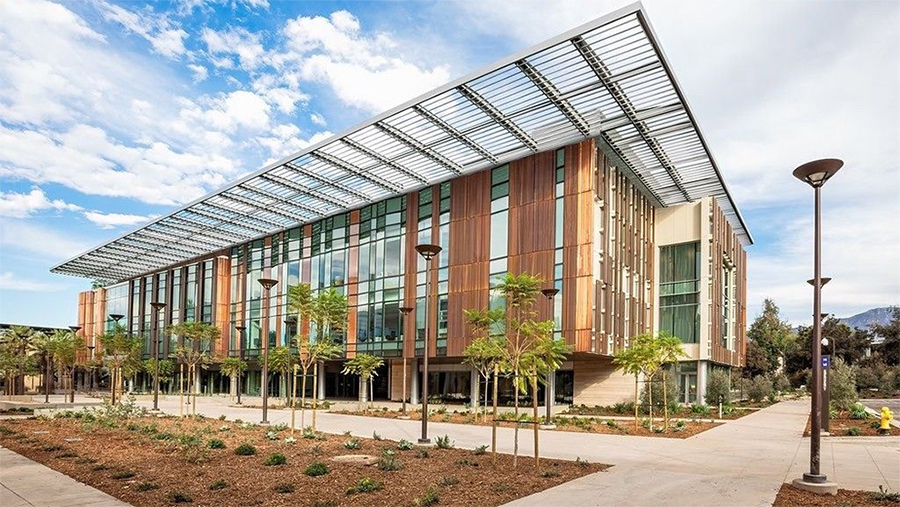
California Institute of Technology
1200 E. California Blvd, Pasadena, CA
Tianqiao and Chrissy Chen Institute for Neuroscience

Meet the Organizers
Ravi Salgia, M.D., Ph.D.
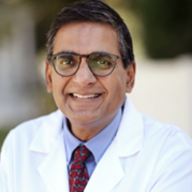
Ravi Salgia, M.D., Ph.D., is the Arthur and Rosalie Kaplan Chair in Medical Oncology, department Chair of Medical Oncology & Therapeutics Research, and National Physician System Advisor, Enterprise, City of Hope. Dr. Salgia also holds the Arthur and Rosalie Kaplan Chair in Medical Oncology. Previously, Dr. Salgia was Professor of Medicine, Pathology and Dermatology, and the Director of the Thoracic Oncology Program, and Aerodigestive Tract Program Translational Research at the University of Chicago. His research interests focus on novel therapeutics against lung cancer. Dr. Salgia has been honored with numerous awards, including being named one of the Top Doctors in America and awarded the Sun Pharma Distinguished Scientist Award (Clinical Sciences). Prior to his tenure at University of Chicago School of Medicine, Dr. Salgia was faculty at the Dana-Farber Cancer Institute and Harvard Medical School. Dr. Salgia earned his undergraduate summa cum laude in mathematics, biology, and chemistry, and then his MD and PhD degrees from Loyola University in Chicago, IL, where he also completed fellowships in neurochemistry and physiology. He continued his postgraduate training with an internship and residency in internal medicine at The Johns Hopkins University School of Medicine in Baltimore, MD, followed by a fellowship in medical oncology at Dana-Farber Cancer Institute in Boston, MA, during which time he also served as a clinical fellow at Harvard Medical School in Boston. Dr. Salgia maintains a strong interest in chaos theory and fractals and their application to cancer, especially lung cancer.
Viviana Gradinaru, Ph.D.
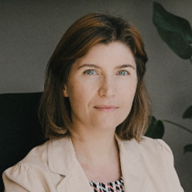
Viviana Gradinaru, Ph.D, is the Troendle Professor of Neuroscience and Biological Engineering at Caltech and the Davis Leadership Chair of the Merkin Institute for Translational Research. In 2024, she was named a Howard Hughes Medical Institute Investigator and a Carnegie Great Immigrants Awardee. She obtained her BS at Caltech and completed her PhD at Stanford University. Prof. Gradinaru studies brain-body interactions in neurodegeneration. Her laboratory develops technologies to observe and perturb cells—such as optogenetics and tissue clearing—and to deliver genes to the brain via the bloodstream rather than surgery. She is a Fellow of the National Academy of Inventors (2022) and the American Association for the Advancement of Science (2021). Her honors include the NIH Director’s Pioneer and Innovator Awards, the Presidential Early Career Award for Scientists and Engineers, and young investigator awards from the Society for Neuroscience, the American Society of Gene and Cell Therapy, and the Vilcek Foundation. Prof. Gradinaru is also co-founder of Capsida Biotherapeutics, a gene therapy company with two FDA Investigational New Drug applications for epilepsy and Parkinson’s disease—highlighting the translational promise of noninvasive, targeted brain therapeutics.
Prakash Kulkarni, Ph.D.
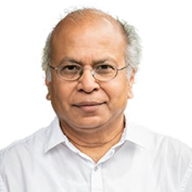
Prakash Kulkarni, Ph.D., is Research Professor and Director of Translational Research in the Department of Medical Oncology and has a courtesy appointment in the Department of Systems Biology at the City of Hope National Medical Centre in Duarte, California. After receiving his PhD in biochemistry from India, he did postdoctoral training in biochemistry at the Indian Institute of Science and in cell biology at the New York University School of Medicine. He began as an Assistant Professor at Johns Hopkins University School of Medicine where he was named the Irene and Bernard L. Schwartz Scholar of the Patrick Walsh Fund. He then moved to the W. M. Keck Laboratory for Structural Biology, University of Maryland Institute for Bioscience and Biotechnology Research, as a Research Associate Professor. Prior to joining Johns Hopkins, Prof. Kulkarni held Staff Scientist positions in the Division of Chemistry & Chemical Engineering, the Division of Biology at Caltech, and in the Department of Genetics at Yale University School of Medicine. His research interests are interdisciplinary and are focused on a system level understanding of how conformational dynamics of intrinsically disordered proteins and other constituents of the “Dark Proteome” such as microproteins and fold switching proteins, contribute to phenotypic plasticity, especially in cancer and evolution. Prof. Kulkarni was a Visiting Professor in the Department of Mathematics, and the Department of Bioengineering at the Indian Institute of Science and is currently a Visiting Professor in the Division of Biology and Biological Engineering at Caltech. He is a Fellow of the Royal Society of Biology, UK, and inducted Member, Sigma Xi, The Scientific Research Honor Society.
Tsui-Fen Chou, Ph.D.
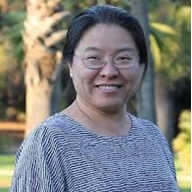
Tsui-Fen Chou, Ph.D., is Research Professor in the Division of Biology and Biological Engineering, and faculty Director, Proteome Exploration Laboratory, California Institute of Technology. Prof. Chou is interested in understanding the mechanisms of disease-causing mutations of p97/VCP ATPase, a key player in cell proteasome and autophagy function, and has used p97 inhibitors as tools to develop pathway-specific inhibitors. Her main research focus is on discovering underlying mechanisms that may lead to new therapeutic targets for cancer and rare diseases. Prof. Chou obtained her undergraduate degree from National Taiwan University, and her PhD from the University of Minnesota. Before she moved to Caltech, Prof. Chou was a faculty at the David Geffen School of Medicine, UCLA. She is a Fellow of the Royal Society of Biology, UK.
Meet the Speakers
Supriyo Bhattacharya, Ph.D.
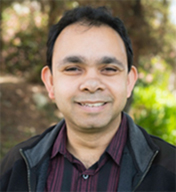
Supriyo Bhattacharya, Ph.D., is an Associate Research Professor in the Integrative Genomics Core at City of Hope. Dr. Bhattacharya is a trained computational structural biologist, bioinformatics expert, and an enthusiast in algorithm development. Dr. Bhattacharya obtained his BTech degree from the Indian Institute of Technology (IIT), Kharagpur, and completed his Ph.D. from NC State University in 2006. From 2006 to 2011, Dr. Bhattacharya was a Postdoctoral Fellow at the Beckman Institute of City of Hope Medical Center, where he studied G protein coupled receptor structure and dynamics using molecular dynamics simulations. During this time, he conceived and developed an information theory-based method (Allosteer) to analyze long distance communication (allostery) within proteins. This approach has been instrumental in analyzing complex protein dynamics, and in designing efficacious drugs by exploiting protein allostery. He is currently co-investigator in an RO1 grant for advancing information theory and Bayesian algorithms in the analysis of protein dynamics. Dr. Bhattacharya’s other interest is in studying how non-genetic mechanisms can influence, and in some cases, alter the course of evolution in diseases such as cancer. He has developed mathematical models to understand how mechanisms such as phenotypic switching can help cancer cells evade the effects of therapeutic toxicity and acquire resistance. He is currently developing simulation methods to explore the emergence of phenotypic plasticity as a trait to facilitate survival under appropriate environmental conditions.
Danfeng Cai, Ph.D.
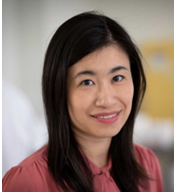
Danfeng Cai, PhD, is an Assistant Professor of Biochemistry and Molecular Biology at the Johns Hopkins Bloomberg School of Public Health, with joint appointments in the Sidney Kimmel Cancer Center and the Biophysics Department of School of Medicine. Her research focuses on how biomolecular condensates organize transcription and drive cancer progression. Dr. Cai received her Ph.D. in Biochemistry from Johns Hopkins University School of Medicine, where she studied how mechanical forces regulate collective cell migration. She then trained as a Damon Runyon Cancer Research Fellow with Drs. Zhe Liu and Jennifer Lippincott-Schwartz at Howard Hughes Medical Institute’s Janelia Research Campus, where she discovered that the oncoprotein YAP forms nuclear condensates to drive gene expression. In her independent position, she continues to study the molecular mechanisms of condensate formation, regulation, and functions. She has been recognized as a Kavli Fellow of the National Academy of Sciences, a Forbeck Scholar, and a Leading Edge Fellow.
Shasha Chong, Ph.D.
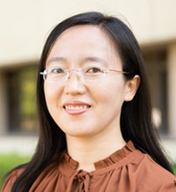
Shasha Chong, Ph.D., is Assistant Professor and Ronald and JoAnne Willens Scholar, Division of Chemistry and Chemical Engineering at California Institute of Technology. Dr. Chong obtained her BS from University of Science & Technology of China and her PhD from Harvard University. During her PhD, she developed novel single-molecule imaging methods and used them to understand DNA-protein interactions and the mechanism of transcriptional bursting in bacteria. During her postdoctoral research in the joint laboratories of Robert Tjian and Xavier Darzacq at University of California, Berkeley, she combined single-cell and single-molecule imaging tools with genome editing and genetics approaches to investigate how intrinsically disordered regions in human transcription factors perform functions in transcriptional regulation and oncogenesis. In her independent lab at Caltech, Dr. Chong employs multidisciplinary approaches to tackle the fundamental rules that govern the interaction behaviors of intrinsically disordered proteins and elucidate their roles in regulating gene transcription under normal and disease conditions. Dr. Chong is a Searle Scholar and a Pew-Stewart Scholar for Cancer Research.
Ashok Deniz, Ph.D.
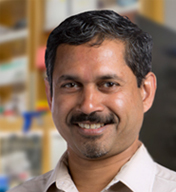
Ashok Deniz, PhD, is a Professor in the Department of Integrative Structural and Computational Biology at the Scripps Research Institute. He received his PhD in Physical Organic Chemistry from the University of Chicago. He used photoacoustic calorimetry and pump-probe spectroscopy to study the nanosecond to femtosecond dynamics of transient species involved in organic chemistry. He then began postdoctoral work at the University of California, Berkeley where he was involved in early developments in single-molecule FRET methods, including the first demonstration of its distance-measurement capability. He then started his own single-molecule and soft matter biophysics lab at Scripps Research in La Jolla, focused on using novel tools to uncover physical principles and emergent dynamics underlying functional features of disordered proteins, nucleic acids, their assemblies, and resulting biomatter. Prof. Deniz’s interests include biophysics of coupling of IDP conformation and binding to partners/surfaces, novel electrical effects during condensate-membrane interactions, complex condensate dynamics including for bacteria, and study of plausible lipid chemical evolution scenarios in the origin of life.
Sui Huang, M.D., Ph.D.
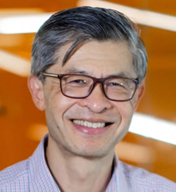
Sui Huang, M.D., Ph.D., Professor, Institute for Systems Biology, first studied medicine, followed by doctoral training in molecular biology and physical chemistry at the University of Zurich in the 1990s. He was a faculty at the Harvard Medical School/Children’s Hospital in Boston and at the University of Calgary, investigating cell fate control and tumor angiogenesis. Prof. Huang has championed the embrace of complex systems theory by biomedical research. In the 2000s, he demonstrated that cell fates are high-dimensional attractors of gene networks, supporting ideas originally proposed by Delbruck, Monod and Jacob, and Stuart Kauffman. More recently, he showed that cell fate decisions are bifurcations, or critical transitions, explaining the driving force of cell state change. Prof. Huang’s current work at the Institute for Systems Biology, which he joined in 2011, uses new technologies, including single-cell omics, along with the theory of non-linear stochastic dynamical systems to better understand the dynamics of health and disease, focusing on: cancer cell plasticity (treatment-induced stemness and progression) and wellness-disease transitions in Personal Medicine. In the era of big data, his current work also seeks to unite AI deep learning with human reasoning and formal theory to better understand paradoxical phenomena in medicine.
Daniel Jarosz, Ph,D.
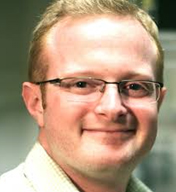
Daniel Jarosz, Ph.D., is an Associate Professor of Chemical and Systems Biology and of Developmental Biology at Stanford University. He is also a fellow of ChEM-H and a member of the Stanford Cancer Institute, Stanford Neurosciences Institute, and Bio-X. Prof. Jarosz received his B.S. in Chemistry and Biochemistry from the University of Washington and then moved to Massachusetts Institute of Technology for his PhD, where he investigated mechanisms of replication and mutagenesis in the laboratory of Graham Walker. Following his graduation in 2007, he pursued postdoctoral training at the Whitehead Institute with Susan Lindquist, a pioneer in the field of protein folding. In 2013 Dr. Jarosz established his independent group at Stanford, where his research is focused on molecular mechanisms that contribute to robustness and evolvability. He is a recipient of the NIH Director's New Innovator Award, and a Faculty Scholar of the Bert and Kuggie Vallee Foundation.
Erika Kim, Ph.D.
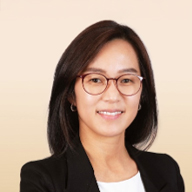
Erika Kim, Ph.D., received her doctorate from Johns Hopkins School of Medicine in Human Genetics and Molecular Biology and carried out postdoctoral research focusing on molecular mechanisms of leukemia at the National Human Genome Research Institute. She joined ARPA-H as a Program Manager in September 2025 from the National Cancer Institute, where she is a Senior Program Director leading strategic programs at the intersection of data science, data interoperability, and cancer research. With over 20 years of experience in deep data analytics on complex diseases and translational research, she is a nationally recognized leader with deep expertise in AI/ML, data interoperability, privacy-preserving analytics, and scalable cloud platforms. Kim plays a pivotal role in advancing cross-agency and public-private collaborations to drive innovation in precision medicine and next-generation healthcare delivery.
Richard Kriwacki, Ph.D.
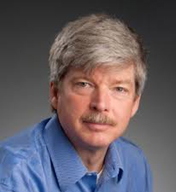
Richard Kriwacki, Ph.D., leads a research group in the Department of Structural Biology at St. Jude Children’s Research Hospital in Memphis, Tennessee, USA, focused on understanding the roles liquid-liquid phase separation in biology and disease. Research areas include the nucleolus and the roles of LLPS in ribosome biogenesis and cellular stress responses, and phase separation by fusion oncoproteins and their roles in oncogenesis. Prof. Kriwacki’s experimental approaches range from structural and biophysical methods (NMR, fluorescence spectroscopy, SAXS/SANS, and others) and fluorescence microscopy (confocal and super-resolution) to biochemical and cell biology methods. The lab seeks to understand the molecular details of interactions that underlie biomolecular condensation to form membraneless cellular compartments and how the emergent biomolecular organization facilitates biological processes. Prof. Kriwacki is a Member of the Editorial Board of the Journal of Molecular Biology.
Andy LiWang, Ph.D.
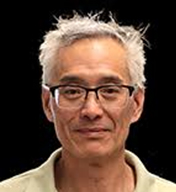
Andy LiWang, Ph.D., is Professor of Chemistry & Biochemistry at the University of California, Merced. His laboratory is devoted to resolving the structural and biochemical basis of rhythmicity of the cyanobacterial circadian clock. The central oscillator of this clock is composed of only three proteins, which by themselves in a test tube with ATP generate a self-sustained circadian rhythm for several days. Their objective is to develop a comprehensive understanding of how a simple mixture of three proteins keeps time. Prof. LiWang obtained his BS from UC Berkeley and his PhD from University of Washington. He completed his postdoctoral studies at the NIH where he was an American Cancer Society Postdoctoral Fellow. He began his independent academic career as an Assistant Professor of Biochemistry & Biophysics at Texas A&M University in 1999 and moved to UC Merced as Associate Professor of Chemistry & Biochemistry in 2008. Among his numerous accolades, Prof. LiWang was awarded the UC Merced Distinction in Research Senate Award (2016), elected Fellow, American Academy of Microbiology (2021), and won the prestigious Dorothy Crowfoot Hodgkin Award from The Protein Society (2025) that is granted in recognition of exceptional contributions in protein science that profoundly influence our understanding of biology.
Thomas Farid Martinez, Ph.D.
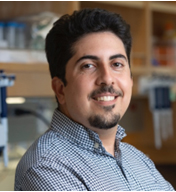
Thomas Farid Martinez, Ph.D., is an Assistant Professor in the Department of Pharmaceutical Sciences at the University of California, Irvine. He received his B.S. in Biological Engineering from MIT. He then received his Ph.D. in Biochemistry & Molecular Biophysics from Caltech as an NIH NRSA predoctoral fellow under the mentorship of Prof. Peter Dervan. Next, as an NIH NRSA postdoctoral fellow in Prof. Alan Saghatelian’s laboratory at the Salk Institute, he developed an integrative platform combining ribosome profiling, de novo transcriptome assembly, and mass spectrometry to discover functional small open reading frame-encoded microproteins in the human genome. His research group is currently focused on identifying, characterizing, and examining the therapeutic potential of microproteins in pancreatic ductal adenocarcinoma. In addition, his group also studies the functions of intrinsically disordered microproteins in RNA metabolism and other cellular processes using biochemical and computational approaches as well as high-throughput interaction screens. Dr. Martinez was a Keystone Symposia Fellow in 2022 and a member of the Long Range Planning Committee for the American Chemical Society Division of Medicinal Chemistry from 2023-2025.
Atish Mohanty, Ph.D.
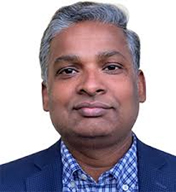
Atish Mohanty, Ph.D., is a Research Assistant Professor of Medical Oncology and Therapeutics at the City of Hope National Medical Center. He earned his PhD in Biochemistry and Molecular Biology from the University of Tokyo. His research focuses on understanding the intricate molecular pathways that drive drug resistance in various cancers. Dr. Mohanty has investigated the roles of key molecular players such as cyclins, integrins, paxillin, SOX2, and KRAS in a range of cancers, including lymphomas, lung cancers, head and neck cancers, and papillary thyroid cancers. He has identified novel mutations and explored alternative signaling pathways that promote tumor progression and confer resistance to therapeutic interventions. Notably, he discovered that Carfilzomib, an FDA-approved proteasome inhibitor initially used for multiple myeloma, is effective in combating resistance to cisplatin and sotorasib in lung cancer, which is now being tested in clinical trials. Prof. Mohanty's scientific explorations extend beyond conventional research boundaries to include the development of mathematical models elucidating cancer cell behavior. Using live cell imaging techniques in co-cultures, he has contributed to the development of innovative mathematical frameworks for studying the role of phenotypic plasticity and non-genetic mechanisms in the evolution of drug resistance. He aims to bridge the gap between basic research and clinical applications to improve patient outcomes.
Alan Moses, Ph.D.
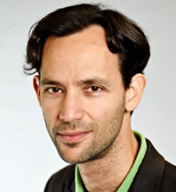
Alan Moses, Ph.D., is a Professor in the Department of Cell & Systems Biology at the University of Toronto. He holds courtesy appointments in the Departments of Ecology and Evolutionary Biology and Computer Science. He completed his BA in biophysics and astronomy at Columbia University and his Ph.D. in biophysics at the University of California, Berkeley. The Moses Lab seeks to understand how regulatory networks are encoded in genome sequences and how regulatory networks evolve. This led the lab to study how biological functions such as protein signaling interactions and subcellular localization are determined by the amino acid sequences of intrinsically disordered regions. To answer these questions systematically, they have developed new computational approaches to analyze DNA and protein sequences, genetic variation data and microscope images. In 2015, Prof. Moses was awarded a Canada Research Chair in Computational Biology and since 2023 serves as a Senior Editor at eLife.
Lauren L. Porter, Ph.D.
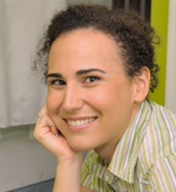
Lauren L. Porter, Ph.D., is a Distinguished Scholar and Stadtman Tenure-track Investigator with a primary appointment at NLM and a secondary appointment at NHLBI. Prior to coming to the NIH, Dr. Porter spent 7 years studying the biological and biophysical properties of fold-switching proteins, first at the University of Maryland and then at the Howard Hughes Medical Institute, Janelia Research Campus. She is the corresponding author of several recent papers reporting the results of this research. One of them, published in PNAS, was highlighted by two members of Faculty of 1000. For her research on protein fold switching, Dr. Porter has received the Maryland Academy of Science's Outstanding Young Scientist Award (2015) and a National Research Service Award (2014), and she has presented her research at nearly 20 national and international conferences.
John R. Prensner, M.D., Ph.D.
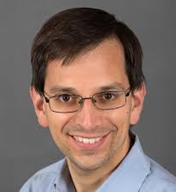
John R. Prensner, M.D., Ph.D., is the Barry J. Glick Early Career Professor of Pediatric Oncology at the University of Michigan. His clinical practice focuses on the care of children with brain tumors at the C.S. Mott Children’s Hospital. He received his BA degree in English Literature at Tufts University and his MD and PhD degrees at the University of Michigan, Ann Arbor, in the lab of Arul Chinnaiyan, MD, PhD. He completed his clinical Pediatrics and Pediatric Hematology/Oncology training at Boston Children’s Hospital and Dana-Farber Cancer Institute, as well as a research fellowship with Todd Golub, MD, at the Broad Institute of MIT and Harvard. Prof. Prensner’s research focuses on the dark genome in cancer, investigating gene regulation through RNA translational control and non-canonical open reading frames. He has uncovered novel mechanisms of cancer genome function through the dark proteome. His work has been broadly recognized through his leadership as the Scientific co-Chair of the Children’s Brain Tumor Network, the co-founder of the TransCODE Consortium for the dark translatome, and the co-Chair of the inaugural Gordon Research Conference series on microproteins. Prof. Prensner has received awards from the Cancer Grand Challenges, AACR, Damon Runyon Cancer Research Foundation, American Society for Clinical Investigation, and NIH/NCI.
Baiyi Quan, Ph.D.
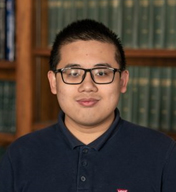
Baiyi Quan, Ph.D., is a Staff Scientist in the Proteome Exploration Laboratory (PEL) at Caltech. Baiyi got his bachelor’s degree in chemical biology from Peking University under the supervision of Prof. Chu Wang, where he was introduced to the world of chemoproteomics and mass spectrometry. He obtained his Ph.D. from Duke University in Michael Fitzgerald’s lab working on utilizing one or multiple protein stability profiling techniques, including Stability of Proteins from Rates of Oxidation (SPROX), Thermal Proteome Profiling (TPP), and Limited Proteolysis (LiP), to identify protein targets of bioactive small molecules and biomarkers. After his graduation from Duke, Dr. Quan joined PEL in 2022 as a staff scientist. Dr. Quan has a broad interest in various proteomic techniques, including developing novel techniques and utilizing and implementing existing techniques to address important biological problems.
Alan Saghatelian, Ph.D.
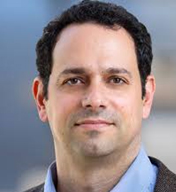
Alan Saghatelian, Ph.D., is professor in the Clayton Foundation Laboratories for Peptide Biology and the Dr. Frederik Paulsen Chair. Prof. Saghatelian received his BS in chemistry from the University of California, Los Angeles, and his PhD in chemistry from The Scripps Research Institute working with Reza Ghadiri. He did his postdoctoral research in the laboratory of Benjamin Cravatt at The Scripps Research Institute. His lab works in the areas of chemistry and chemical biology to develop and apply innovative technologies to elucidate the molecular basis of prevalent diseases including diabetes, cancer, and autoimmunity. Key findings from his lab include the discovery of novel metabolites that regulate metabolism and inflammation, and the discovery of thousands of new human genes with potential roles in all disease. Prof. Saghatelian has more than 25 years of research experience at leading academic institutions, including The Salk Institute for Biological Studies and, previously, Harvard University and The Scripps Research Institute. Prof. Saghatelian is one of the pioneers of the study of microproteins and their fundamental connections to disease pathology, developing first-of-its-kind innovative platforms and identifying thousands of new human genes alongside some of the world’s top researchers.
Sarah Slavoff, Ph.D.
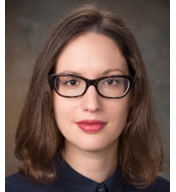
Sarah Slavoff, Ph.D., is an Associate Professor in the Departments of Chemistry and Molecular Biophysics and Biochemistry at Yale University. She received her Ph.D. in Biological Chemistry at the Massachusetts of Institute of Technology working with Alice Ting where she developed technologies for chemoenzymatic and biorthogonal protein labeling. During her NIH postdoctoral fellowship with Alan Saghatelian at Harvard University, Prof. Slavoff developed the first high-sensitivity liquid chromatography-mass spectrometry peptidomic technology for detection of previously undiscovered, short human genes encoding micorproteins. Since starting her independent research group at Yale in 2014, Prof. Slavoff has continued to innovate new quantitative and chemoproteomic approaches for functional micropeptide discovery, as well as cellular and molecular characterization of micropeptides. Her group was the first to demonstrate that a dark protein, alt-RPL36, regulates the PI3K signaling pathway, and that phosphorylation of the NBDY microprotein regulates formation of membraneless organelles in human cells. Prof. Slavoff was named a Searle Scholar in 2016 and received a 2022 Mark Foundation for Cancer Research Emerging Leader Award and a 2022 Paul G. Allen Frontiers Group Distinguished Investigator Award.
Paul Sternberg, Ph.D.
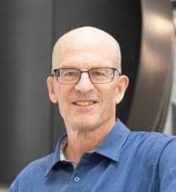
Paul Sternberg, Ph.D., is the Bren Professor of Biology, and chair of Division of Biology and Biological Engineering, California Institute of Technology. Prof. Sternberg is a distinguished biologist who has served Caltech for more than 37 years. He received his PhD from MIT with Robert Horvitz and did his postdoctoral training with Ira Herskowitz at UCSF. He joined the Caltech faculty in 1987. He founded several major genetics and genomics knowledgebases including WormBase and the Alliance of Genome Resources and served on the U.S. National Advisory Council for Genome Research, and as President of the Genetics Society of America. His research focuses on the systems biology, genetics and genomics of C. elegans and other nematodes. He is a founder and Editor in Chief of microPublication Biology, which seeks to transform scholarly communication. He is widely respected in the biological sciences community, as illustrated by his 2009 election to the National Academy of Sciences and his receipt of the 2024 Thomas Hunt Morgan Medal of the Genetics Society of America, an honor he shares with Caltech Nobel Laureates Ed Lewis and George Beadle. Prof. Sternberg is an Investigator of the Howard Hughes Medical Institute, and he also held the Thomas Hunt Morgan Professorship of Biology.
Markku Varjosalo, Ph.D.
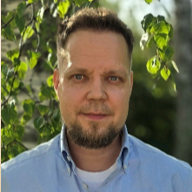
Markku Varjosalo, Ph.D., is a tenured Professor and Group Leader at the Institute of Biotechnology, HiLIFE, University of Helsinki, and Scientific Director of the Helsinki Proteomics Center. He trained with Jussi Taipale, working on Hedgehog signalling, and as a postdoctoral fellow with Ruedi Aebersold at ETH Zurich. His laboratory develops and applies interaction proteomics methods, including the MAC-tag system for combined affinity purification and proximity labelling, and uses them to map how protein interaction networks are wired and rewired in signalling and in cancer. Ongoing interests include transcription factor interactomes, oncogenic fusion proteins, and clinical proteomics. He is a member of the Finnish Academy of Science and Letters and serves on the HUPO Council.
Salvador Ventura, Ph.D.
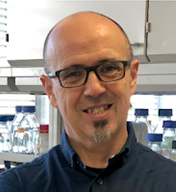
Salvador Ventura, Ph.D., is Professor and Head of the Protein Folding and Conformational Diseases Laboratory at Universitat Autònoma de Barcelona (UAB). He obtained his PhD in Biology at Univ. Autònoma de Barcelona and did his postdoc at Structural Biology Department at EMBL-Heidelberg. He began his independent career as a Ramón y Cajal Fellow at UAB, where he is now Professor. He has been a visiting scientist at Harvard Medical School, Karolinska Institutet (Sweden), and Univ. Tor Vergata in Rome (Italy). In 2005 he started the Protein Folding and Conformational Diseases Group at Institute of Biotechnology and Biomedicine (IBB) of UAB. Prof. Ventura’s lab uses a multidisciplinary computational and experimental approach to address fundamental aspects of protein misfolding and aggregation. In addition to define the basic mechanistic principles underlying these processes, they aim to understand how their deregulation leads to the formation of toxic amyloids and the onset of human conformational diseases; with the idea of developing innovative therapeutics to treat these pathologies. In addition, this knowledge is exploited to design and produce novel self-assembled multifunctional materials for nanotechnology applications. Prof. Ventura is also the coordinator of the Protein Structure and Aggregation group, a consolidated group of Generalitat de Catalunya. In 2017-20 he was Director of the IBB (UAB) and since 2018, he is on the Direction Council of the Reference Network in Biotechnology of Catalonia.
Brian Volkman, Ph.D.
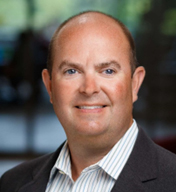
Brian Volkman, Ph.D., is Director, Program in Chemical Biology, Director, Structural Genomics Unit, and Professor, Biochemistry at the Medical College of Wisconsin. He is a structural biologist who earned his PhD in chemistry from UC Berkeley followed by postdoctoral training at the National Magnetic Resonance Facility at Madison (NMRFAM) at UW-Madison. Since 2000 he has led an NIH-funded research program at MCW using NMR and other biophysical methods to decode the chemokine network and understand metamorphic protein folding. Dr. Volkman is co-founder of XLock Biosciences, Inc. and Protein Foundry, LLC, Milwaukee-based companies that develop chemokines and related molecules as biologic drugs and tools for research.
Keith Weninger, Ph.D.
Keith Weninger, Ph.D., is Associate Department Head, Professor and University Faculty Scholar, Department of Physics and Astronomy at the North Carolina State University, Raleigh. Prof. Weninger received his PhD in 1997 from the University of California at Los Angeles. After postdoctoral appointments at UCLA (1997-2000) and Stanford University (2000-2004), he joined the faculty of North Carolina State University in 2004 as an assistant professor. Prof. Weninger develops single molecule fluorescence methods and applies them to study biomolecular systems. In particular, his lab uses single molecule fluorescence resonance energy transfer (FRET) to characterize the conformational dynamics of multimeric protein complexes. Specific topics of interest include DNA mismatch repair and intrinsically disordered proteins.
Meet the Moderators
Rita Cha, Ph.D.
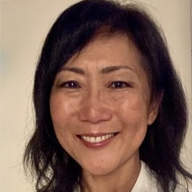
Rita Cha, Ph.D., is Senior Scientific Editor of Cell. Rita completed her PhD and postdoctoral training in Cambridge, Massachusetts, studying jackpot mutations in cancer and chromosome-based signaling. She then moved to the UK, where she established and led her own research group before joining the Cell team. Now based in the Boston office, she’s happy to be back reconnecting with friends and colleagues while building new connections. Her interests span DNA/RNA/protein processes and regulation, cancer, and AI in biology and medicine. Outside of work, Rita is passionate about Bach, outdoors.
Turja Chakrabarti, M.D.
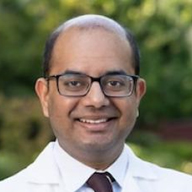
Turja Chakrabarti, M.D., is an Assistant Professor in the Department of Medical Oncology at City of Hope. Before joining City of Hope, Dr. Chakrabarti was a faculty at UCSF Division of Hospital Medicine, with a primary clinical role on the Hematology-Oncology-BMT Hospitalist Service. His research interests focus on novel therapies for lung cancer. Specifically, he is investigating mechanisms to overcome resistance to targeted therapies in patients with oncogene mutations in lung cancer such as EGFR. In addition, Dr. Chakrabarti is the President & Founder of Pratit International, an organization dedicated to bridging global health disparities with a special focus on vulnerable communities in Kolkata, India. He obtained his undergraduate degree from University of Pennsylvania and his masters in Physiology & Biophysics from Georgetown University. Dr. Chakrabarti received his medical degree from Eastern Virginia Medical School and completed his internal medicine residency and then chief residency at Johns Hopkins Bayview Medical Center.
Zhen Chen, Ph.D.
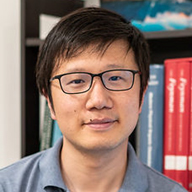
Zhen Chen, Ph.D., is an Assistant Professor of Biology and Biological Engineering at Caltech. He has developed an imaging approach to see protein molecules inside cells at sub-molecule resolution directly. Currently, Zhen is applying this powerful imaging approach to study how stem cells differentiate into highly specialized germ cells, including sperm and oocytes. His lab integrates in situ cryo-electron tomography, biochemical reconstitution, and AI-assisted computational modeling to study germline differentiation, chromatin remodeling, and ciliogenesis at molecular resolution. He earned his B.S. from Peking University, M.A. from Rice University, and Ph.D. from The Rockefeller University studying ribosome biogenesis and mechanochemical enzymes. As a Helen Hay Whitney Fellow at UCSF, he combined cellular cryoET with AlphaFold-assisted modeling to identify sperm-specific protein complexes that regulate flagellar function.
Subhajyoti (Subho) De, Ph.D.
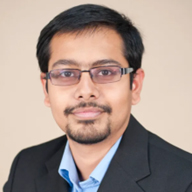
Subhajyoti (Subho) De, Ph.D., is Professor of Cancer Systems Biology at Rutgers Cancer Institute, the NCI designated comprehensive cancer center of Rutgers University. Dr. De received PhD from the University of Cambridge, UK, before doing advanced research as a King’s College Fellow and Human Frontier Science Program Fellow at Harvard University. His research group uses systems biology approaches integrating computational, mathematical, and genomics techniques to advance precision medicine in cancer, with funding from NIH, DoD, and foundations. He has mentored postdoctoral scientists, clinical fellows and PhD and undergraduate students; his mentees have won numerous awards, fellowships, and recognitions. Dr. De is an Associate Editor for Nucleic Acids Research-Cancer – a reputed, peer-reviewed Oxford University Press journal. He is involved in national and international initiatives in research and higher education. These experiences allow him to recognize the opportunities/challenges and also underscore the values he could bring as a future leader in higher education.
Aritro Nath, Ph.D.
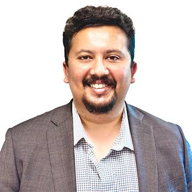
Aritro Nath, Ph.D., is an Assistant Professor in the Division of Molecular Pharmacology, Department of Medical Oncology & Therapeutics Research at City of Hope National Medical Center. Dr. Nath received his Ph.D. in Genetics from Michigan State University, where he studied the role of free fatty acids in promoting epithelial to mesenchymal transition in liver cancer in Dr. Christina Chan’s molecular systems biology lab. He then received postdoctoral training in translational pharmacogenomics in the lab of Dr. R. Stephanie Huang at the University of Chicago and the University of Minnesota. During his postdoctoral training, he developed novel machine learning-guided tools to interrogate the non-coding genome and established long non-coding RNAs as key biomarkers for predicting cancer drug response. After completing his postdoctoral studies, Dr. Nath joined City of Hope National Medical Center, where he is developing predictive biomarkers for drug response using artificial intelligence and machine learning (AI/ML) techniques. Currently, his work is being translated into national clinical trials to implement AI/ML-based biomarkers for treatment stratification in patients with advanced breast cancer. Additionally, his lab investigates drug response mechanisms and tumor evolution using bulk and single-cell multiomic methods in patients with breast, ovarian, lung, and brain cancers.
Amanda C. Reyes, M.D.
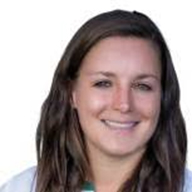
Amanda C. Reyes, M.D., is a medical oncologist at City of Hope Comprehensive Cancer Center where she specializes in head and neck cancers and lung cancer. Her clinical interests include early-phase clinical trials and precision medicine, with a focus on integrating innovative therapies to improve patient outcomes. Inspired to pursue a career in medicine after witnessing firsthand the impact oncologists had on the cancer journeys of multiple family members, Dr. Reyes works closely with patients and their cancer care teams to integrate novel therapies into their treatment plans. She also conducts innovative research in the fields of lung cancer and head and neck cancers, striving to identify better treatments that lead to improved quality of life and higher cure rates. After earning her medical degree from Eastern Virginia Medical School in Norfolk, Virginia, Dr. Reyes completed her internal medicine residency at Georgetown University in Washington, D.C., followed by a fellowship in hematology-oncology at City of Hope. Her research has been published in peer-reviewed journals including Lung Cancer, Cancers and the Journal of Immunotherapy.
Jennifer Treweek, Ph.D.
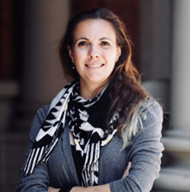
Jennifer Treweek, Ph.D., is Scientific Director, Merkin Institute for Translational Research (MITR) at Caltech. At MITR, Jenny leverages her multidisciplinary training in chemistry and vaccinology and her leadership experience as a BBRF- and NIH BRAIN-funded investigator and tenure-track professor in the Department of Biomedical Engineering at University of Southern California’s Viterbi School of Engineering, to forward the Merkin Institute goal of catalyzing biomedical breakthroughs that will profoundly impact human healthcare. Having completed her undergraduate degree (B.S. in Chemistry, Economics) and postdoctoral studies (Division of Biology and Bioengineering) at Caltech, Dr. Treweek has returned to her alma mater.
Deric Wheeler, Ph.D.
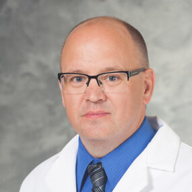
Deric Wheeler, Ph.D., is a tenured Professor in the Department of Radiation Medicine at UW–Madison, where he is a member of the UW Carbone Cancer Center. His research interests include mechanisms of resistance to molecular targeting agents, tumor immune evasion and suppression strategies, and basic receptor tyrosine kinase biology specific to head and neck cancer and triple-negative breast cancer. His lab employs a variety of methodologies including cell culture, molecular biology techniques, mouse model systems, patient-derived xenografts, 'omics approaches, analysis of human tissues, and development of early phase clinical trials. Notably, his research has shed light on the TAM family of receptor tyrosine kinases and their pivotal role in promoting growth and metastasis of cancer. Additionally, Dr. Wheeler serves as the Director of the Badger Challenge, an annual cycling event aimed at raising crucial funds for cancer research at UW. Dr. Wheeler obtained his PhD from University of Wisconsin and did his postdoctoral training at Fred Hutchinson Cancer Research Center.
Colloquium Agenda
Monday, December 14, 2026
7:00-8:00 AM Breakfast
Welcome and Introduction to the Colloquium Theme
8:00-8:10 | Ravi Salgia (City of Hope) Welcome
8:10-8:20 | Paul Sternberg (Caltech) Welcome
8:20-8:30 | Viviana Gradinaru (Merkin Institute for Translational Research, Caltech) Welcome
8:30-9:00 | Prakash Kulkarni (City of Hope) Opening remarks
Session 1: Microproteins and IDPs
Chairperson: Jennifer Treweek (Merkin Institute for Translational Research, Caltech)
09:00-09:30 AM | Alan Saghatelian (Salk Institute) Discovery and characterization of microproteins
09:30-10:00 AM | Shasha Chong (Caltech) Decoding condensate composition uncovers concentration-dependent interactomes and regulation of intrinsically disordered proteins
10:00-10:30 AM | Supriyo Bhattacharya (City of Hope) Discovering disease-associated micropeptides using proteogenomic approaches
10:30-11:00 AM Coffee break
Chairperson: Rita Cha (Cell)
11:00-11:30 AM | Keith Weninger (NCSU) DNA Mismatch repair proteins - unanticipated interactions and genomic stability
11:30 AM-12:00 PM | Richard Kriwacki (St. Jude) Using data science tools to understand cancer condensates
12:00-12:30 PM | Panel discussion
12:30-1:00 PM | Group Photo
01:00-2:00 PM Lunch break
Session 2: Fold switching proteins and prion-like proteins
Chairperson: Turja Chakrabarti (City of Hope)
2:00-2:30 PM | Brian Volkman (U Wisconsin) Cold denaturation in the adaptive evolution of metamorphic proteins
2:30-3:00 PM | Lauren Porter (NIH) AlphaFold reveals but sometimes distorts sparse conformational control points
3:00-3:30 PM | Andy LiWang (UC Merced) The cold reality of metamorphic proteins: mechanisms of fold switching in the cyanobacterial circadian clock
3:30-4:00 PM | Coffee break
Chairperson: Amanda Reyes (City of Hope)
4:00-4:30 PM | Daniel Jarosz (Stanford) Prion-like proteins and drug resistance
4:30-5:00 PM | Salvador Ventura (Barcelona) Human Prion-Like Proteins: Hidden Switches of Function and Disease
5:00-5:30 PM | Panel discussion
Tuesday, December 15, 2026
7:00 - 8:00 AM | Breakfast
Session 3: Insights from LLPS, and AI
Chairperson: Aritro Nath (City of Hope)
8:00-8:30 AM | Erika Kim (ARPA-H) ARPA-H ADAPT Program Accelerating Biomarker Discovery for Cancer
8:30-9:00 AM | Danfeng Cai (Johns Hopkins) Decoding the functions of biomolecular condensates in cancer
9:00-9:30 AM | Ashok Deniz (Scripps) Single-molecule and mesoscale biophysics of disordered proteins
9:30-10:00 AM | Markku Varjosalo A Phosphorylation Switch Turns a Disordered Protein into Two Different Interactomes
10:00-10:30 AM | Coffee break
Chairperson: Zhen Chen (Caltech)
10:30-11:00 AM | Alan Moses (U Toronto) Unsupervised exploration of dark regions in the protein universe
11:00-11:30 AM | Thomas Martinez (UC Irvine) Exploring the Microproteome of Pancreatic Ductal Adenocarcinoma
11:30-12:00 PM | Panel discussion
12:00-1:30 PM | Lunch break
Session 4: Dark Proteome, the next frontier in biology and medicine
Chairperson: Subhajyoti De (Rutgers University)
1:30-2:00 PM | Sarah Slavoff (Yale) Biophysical and functional characterization of human microproteins
2:00-2:30 PM | John Prensner (University of Michigan, Ann Arbor) The dark proteome in cancer
2:30-3:00 PM | Atish Mohanty (City of Hope) Role of microprotein KRASIM in NSCLC KRAS biology and resistance
3:00-3:30 PM | Coffee break
Chairperson: Deric Wheeler (University of Wisconsin)
3:30-4:00 PM | Baiyi Quan (Caltech) Proteome-wide identification of metamorphic protein candidates using mass spectrometry
4:00-4:30 PM | Sui Huang (Institute for Systems Biol) Closing remarks
4:30-5:00 PM | Panel discussion
5:00-5:10 PM | Tsui-Fen Chou (Caltech) Vote of thanks