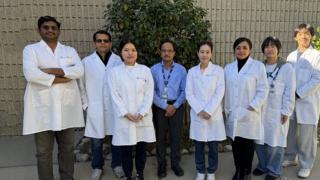
Susanta Hui Lab
Research Lab Overview
Susanta K. Hui, Ph.D., D.A.B.R., is an internationally recognized leader in imaging-guided radiation therapy, with research spanning both hematologic and solid tumors. His interdisciplinary program integrates radiation physics, molecular imaging and immune modulation to develop next-generation therapeutic strategies. He co-developed the world’s first bench-to-bedside Total Marrow Irradiation (TMI) platform, now adopted globally for stem cell transplantation through the International Consortium for TMI (ICTMI).
At City of Hope, Dr. Hui leads NIH-funded programs that unite PET-MRI, spatial biology, senescence profiling and regenerative immunotherapy to reprogram the bone marrow microenvironment in diseases such as leukemia and sickle cell disease. Beyond hematology, his group pioneers precision radiotherapy approaches for solid tumors by combining stereotactic body radiation therapy (SBRT), high-linear energy transfer (LET) carbon ion therapy and immune-based interventions.
As director of the radiation research core, Dr. Hui also oversees the development of biologically informed imaging and radiation platforms that accelerate translation from preclinical discovery to bench-to-bedside innovation.
Foundational Imaging and Technology Innovations
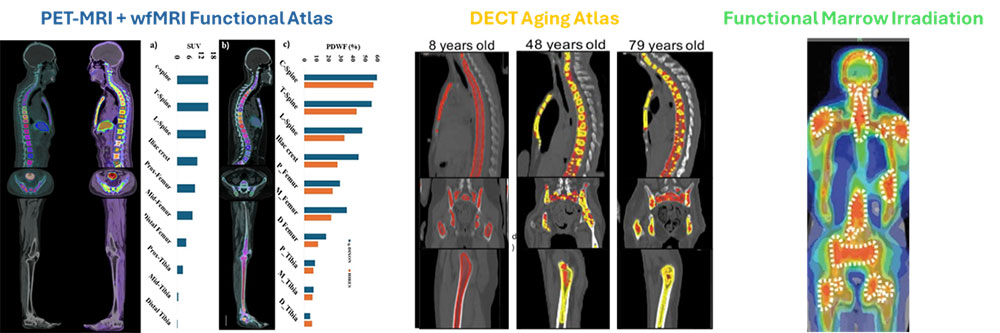
To transform therapy, one must first see disease in its full physiological and spatial context. The Hui Lab is pioneering multimodal imaging platforms that visualize and quantify bone marrow activity, enabling a 3-D understanding of marrow function and disease dynamics.
Using PET-MRI, water-fat MRI (wfMRI) and dual-energy CT (DECT), Dr. Hui’s team has created the first spatial atlas of the human skeleton — a “Google Earth” of the marrow microenvironment. This innovation maps marrow adiposity, cellularity and proliferation in real time, enabling:
- Quantitative visualization of marrow regeneration and treatment response
- Noninvasive detection of disease relapse
- Site-specific functional total marrow irradiation (fTMI) to deliver precision radiation while sparing healthy tissue
Together, this imaging framework is redefining biological understanding of skeletal physiology and advancing the precision design of radiation therapy, bridging molecular insight with therapeutic application.
Mapping the Living Skeleton from Imaging to Regeneration
In parallel, the lab has developed AI-driven contouring tools that automate organ segmentation and skeletal mapping, making complex total marrow irradiation (TMI) workflows clinically feasible across medical centers. These pipelines dramatically reduce planning time while maintaining rigorous quality assurance, representing a critical step toward scalable, personalized radiation medicine.
As director of the radiation research core, Dr. Hui is also spearheading MIRRORS (multimodal imaging, radiation response and operational research system). This compact preclinical theranostics platform integrates real-time imaging with precise radiation delivery. MIRRORS enables biology-guided radiation therapy (BgRT) research by replicating clinical workflows in animal models and accelerating translation from concept to clinical reality.
Mechanistic Insights into Bone Marrow Biology and Disease
The Hui Lab investigates how bone marrow structure, aging and immune dynamics influence disease progression and post-therapy recovery. These studies integrate single-cell multi-omics, spatial imaging and in vivo models to elucidate the cellular and molecular orchestration of marrow regeneration.
Leukemia Relapse and the Bone Marrow Micro-Environment
Genetic mutations alone do not fully explain leukemia relapse following transplantation. By combining imaging with single-cell transcriptomics and spatial mapping, Dr. Hui’s team is uncovering how the bone marrow microenvironment facilitates immune escape and residual disease survival. These insights are yielding spatial biomarkers capable of predicting relapse and informing real-time therapeutic intervention.
Radiation, Gut Injury and Graft-Versus-Host Disease
Acute graft-versus-host disease (aGVHD) frequently targets the gastrointestinal tract. The Hui Lab uses spatially resolved imaging and multi-omic profiling to map how focal epithelial injury, microbiome disruption and immune infiltration interact to drive GVHD. This work aims to identify regenerative strategies and precision radiation approaches that protect the gut while preserving graft-versus-leukemia (GVL) effects.
Aging and Marrow Regeneration
Older adults undergoing transplantation experience higher relapse and toxicity rates due to senescent, inflamed marrow niches. The Hui Lab demonstrated that aged mice tolerate high-dose TMI and support effective engraftment — findings now translated into clinical practice. In a clinical trial (NCT03494569) involving patients 60 years old and over, total marrow and lymphoid irradiation (TMLI) achieved promising two-year relapse and non-relapse mortality rates (20% and 15%, respectively). Current studies integrate PET-MRI, single-cell analysis and senescence profiling to define how aging alters marrow recovery. Parallel preclinical models test senolytics and mesenchymal stromal cell (MSC) co-infusion strategies to rejuvenate marrow.
Translational Platforms and Therapeutic Development
Dr. Hui’s lab translates biological discovery into clinical application, designing radiation and immunotherapy platforms that not only eradicate disease but also restore physiological balance.
Next-Generation TMI/TMLI and Adoptive Immunotherapy
The lab’s dual-function TMI/TMLI platform enhances immune modulation within the bone marrow while minimizing gastrointestinal toxicity. When combined with adoptive regulatory and conventional T-cell (Treg/Tcon) therapies, these approaches promote GVL benefits while reducing graft-versus-host disease (GVHD). Ongoing preclinical and clinical investigations (NCT04284587) are evaluating this integrative strategy.
In parallel, the lab is developing adjuvant immunomodulators, including STAT3-TLR9 inhibitors (CSI), to further enhance GVL while preserving tissue integrity.
Complementing these advances, Dr. Hui’s group has developed anti-CD33 PET tracers ([⁶⁴Cu]Cu-DOTA-anti-CD33) to noninvasively visualize acute myeloid leukemia (AML) burden and is characterizing the CD33-D2 isoform as a novel theranostic target for radiopharmaceutical therapy.
Revolutionizing Transplant and Gene Therapy
In collaboration with hematology and gene therapy teams, the Hui Lab is reshaping conditioning strategies for sickle cell disease and thalassemia. Organ-sparing TMI regimens enable successful engraftment, fertility preservation and reduced organ toxicity—outcomes validated in a first-in-human trial (NCT05384756). These advances are enabling safer, curative therapies for monogenic blood disorders.
Heavy Ion Therapy for Next-Generation TMI
Through collaborations with Osaka University and GSI Germany, the lab is investigating proton and carbon-ion radiation for marrow-targeted therapy. These high-linear energy transfer (LET) particles offer superior dose conformity and enhanced biological effectiveness, providing a strong foundation for next-generation conditioning regimens.
Expansion into Solid Tumor and Immuno-Radiation
Building on principles established in hematologic malignancies, the Hui Lab applies precision radiation and immune modulation to solid tumors. In collaboration with Scott Goldsmith, M.D., the team is pioneering radiation-enhanced bispecific antibody therapies for extramedullary multiple myeloma (EMD), using radiation as an immune primer to improve antibody delivery, immune infiltration and tumor clearance. Through spatial transcriptomics, T-cell receptor sequencing and imaging-guided modeling, the lab identifies biomarkers predictive of treatment response and resistance.
The group also developed MIRRORS, the first small-animal PET-CT platform enabling biology-guided targeted radiotherapy and real-time visualization of radiation response.
In collaboration with John Shively, Ph.D., the lab demonstrated that image-guided stereotactic body radiation therapy (SBRT) combined with immune-checkpoint cytokine therapy enhances antitumor immunity, while SBRT paired with antibody α-therapy achieves durable local and systemic control. Partnering with Walter Tinganelli, Ph.D., at GSI, Germany, the team is advancing carbon ion therapy with immune checkpoint inhibition, defining a new paradigm of curative, regenerative radiotherapy built on biological insight and immune precision.
Looking Forward: Career Opportunities
Dr. Hui’s vision unites imaging, biology and therapy into a seamless framework of seeing, understanding and healing. By integrating quantitative imaging, precision radiation and immune modulation, his lab is advancing toward a future where cancer therapy not only cures but restores.
Susanta Hui, Ph.D., is a Professor, Department of Radiation Oncology at City of Hope in Duarte, California.
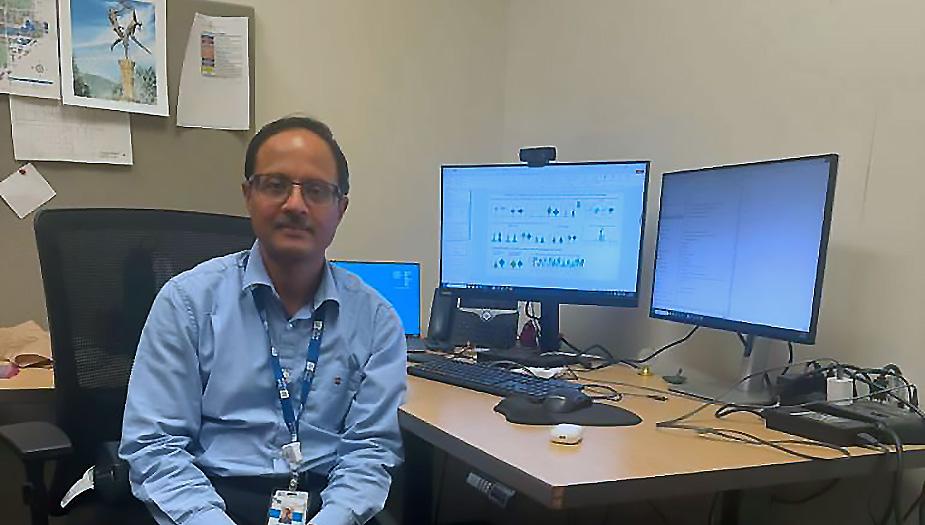
Lab Members
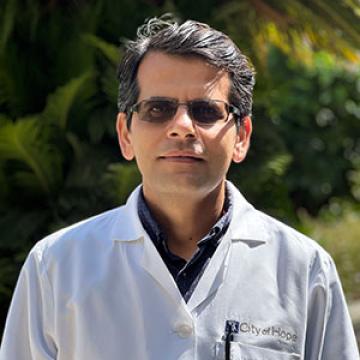
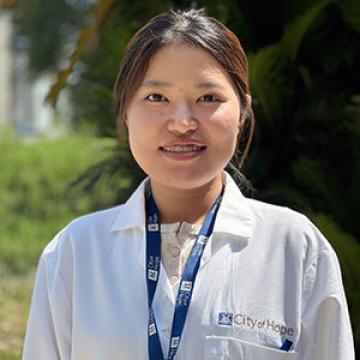
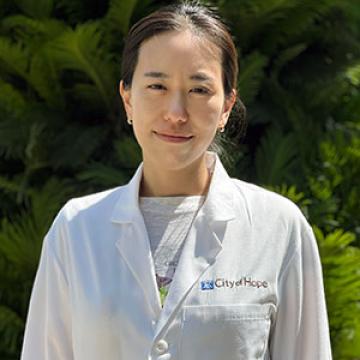
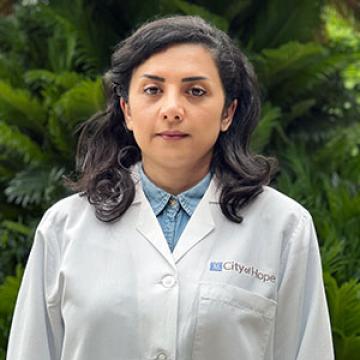
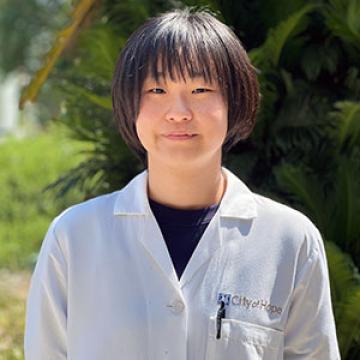
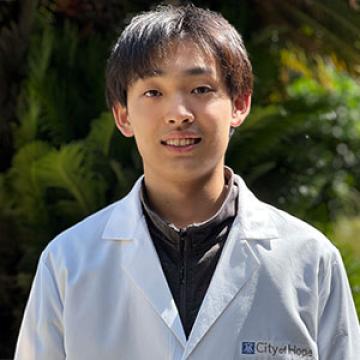
The Hui Lab brings together physicists, biologists and clinicians to reimagine radiation as a science of regeneration and cure.
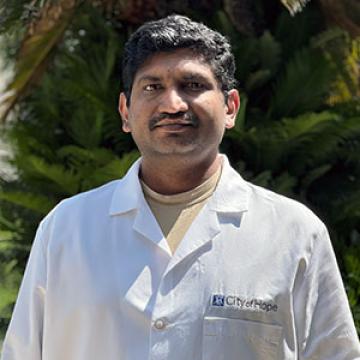
Lab Alumni
The Hui Lab has trained more than 30 postdoctoral fellows, graduate students and clinical residents, many of whom now hold faculty, industry and leadership roles across major academic centers and biotechnology companies. Their continued success reflects the Hui Lab’s commitment to cultivating scientific leadership and translational excellence.
Join one of our labs and help us on our mission to save lives.
From Local Innovation to Global Translation: Partnerships
The Hui Lab’s technologies extend beyond a single institution or discipline. Through global collaborations, Dr. Hui’s team is building an international network to advance precision imaging, radiation and regenerative medicine worldwide, ensuring that innovations developed at City of Hope translate into meaningful clinical impact.
Industry Collaborations
- OrcaBio, Inc. — Cell therapy development
- Siemens Healthineers and GE Healthcare — Imaging technology development
- Mindways Software, Inc. — Quantitative CT analysis
- Xstrahl, Inc. — Image-guided targeted radiation delivery in animal models
Contribute to our discoveries by donating.
Our Publications
Latest Research News
Contact and Collaboration
34.1293487, -117.9726643
Duarte, CA 91010