Li Lab
Research Lab Overview
Inflammation, Oxidative Stress and Mutational Signatures as Biomarkers of Cancer Risk
Cancer susceptibility results from the complex interplay of both inherited and acquired genetic mutations as well as environmental risk factors. Much of what we know about the natural history of human cancers are focused on the carcinogenic or cancer initiation events such as driver mutations. In contrast, limited attention has been paid to cancer promotion and the impact of chronic inflammation to such risk factors on cancer progression. Chronic exposures leading to an inflammatory response include obesity, high fat diet, increased oxidative stress and repetitive injury, but also in resistant/persistent tumors after radiation therapy and chemotherapy. Identifying the factors that play a critical role in cancer promotion and the genomic hallmark of such processes can provide novel therapeutic angles in cancer control and prevention by identifying patients with early or pre-cancerous lesions who are at high risk for progressive or metastatic disease.
In addition, defining the molecular signatures of promotional mechanisms can be used to develop algorithms that predict treatment response and identify new therapeutic avenues. For example, central to the therapeutic mechanism of radiotherapy is the generation of reactive oxygen species (ROS), which in turn causes DNA damage and inflammation. However, while some cancer types are known to be more radioresistant, radiosensitivity for any given tumor is not predictable. Identifying a somatic mutation signature for oxidative stress response can help select for those patients who may benefit from synergistic therapeutics such as radio-mimetics, checkpoint inhibitors, or alternatively, ROS-promoting agents that can accentuate the effect of radiotherapy. The focus of my laboratory is on understanding the role of ROS both in cancer risk and treatment response in genitourinary and colorectal cancers.
Epigenomic Signatures of Cancer Origins and Impact of Tissue Development
My lab is also interested in the complex interplay of the genetic and environmental causes of cancer susceptibility, which is captured by differences at the level of gene expression but also by examining patterns of differences in mutations in the non-coding regions of the genome or epigenome. There is limited knowledge of whether a specific type of mutagen (e.g., ROS-generating) would have distinct physical patterns (epigenomic signature in a sense). This is important because if there is bias towards regulatory regions, this may impact the functional relevance even if they are non-coding. We found that in tumors from animals with either genetic predisposition to high BMI or fed with high fat/high calorie diets, somatic mutations map more frequently to transcriptional regulatory regions known as CCCTC-binding factor (CTCF) binding sites. Furthermore, others have reported that in obese F1 generation mice exposed to bisphenol A, there was widespread increase in chromatin accessibility at binding sites for CTCF and other transcription factors accompanied by alterations in 3D organization. This is consistent with our preliminary data showing increased accumulation of somatic mutations at CTCF binding sites. In this aim we will use an in vitro assay to evaluate the impact of growth stimulation, nutrient deprivation and cytokine exposure on ROS mutation accumulation. This model will allow us to test the hypothesis that ROS mutations preferentially accumulate at CTCF binding sites and is modulated in different nutrient and growth conditions.
We also have shown that cells in different stages of differentiation and embryogenesis may be differentially susceptible to mutagenesis and likely carcinogenesis. However existing approaches to examining the topography of mutational signature approaches are focused on examining whether genomic changes assigned to a specific mutational signature are mapping proximal to specific functional loci in the genome, such as CTCF binding sites. We plan to test the hypothesis using a novel molecular and computational model that such a unique topography exists to modulate which cells at what developmental timepoint may be more susceptible to mutagenic events.
Mitigating Radiation Treatment Toxicity Through the Metabolism
Equally important is our interest in mitigating the side effects of radiation therapy. One of the most important implications that could be derived from this work is how modulation of the effect of ROS could be clinically meaningful. We have previously shown that ROS mediated DNA damage is present in a majority of gamma-irradiated tumors induced in animals and it is well-established that ROS acts as a double-edged sword in the treatment of cancer, both simultaneously driving the cause of tumor killing and mediating normal tissue toxicity. Multiple preclinical studies provide evidence supporting the benefit of fasting or caloric restriction during RT as a way to mitigate toxicity or risk of secondary malignancy. Recent work by Dr. Tanya Dorff at COH shows that peri-infusion fasting-mimic diet in patients receiving platinum doublet chemotherapy can significantly reduce DNA damage in normal tissues and possibly improve treatment efficacy. Fasting appears to be safe and well tolerated, as also demonstrated in a number of other studies using both fasting and caloric restriction approaches. Importantly, these studies have shown no evidence of detriment to tumor kill or disease control with the use of fasting or caloric restriction protocols; in fact, several studies have reported improved treatment efficacy.
There is arguably even strong impetus to consider the benefits of dietary intervention in the context of RT, where oxidative stress is a primary driver of DNA damage. In contrast to chemotherapy, which is delivered in many cases in a single or multi-day infusion regimen over several cycles, RT is typically delivered daily for 5 days a week (most typically), over a number of consecutive weeks. Implementing a complete fast or even a fasting mimic diet for such a duration is unreasonable and impractical. More importantly, normal tissue healing requires energy and nutrient intake. Optimizing normal cellular repair requires careful consideration of how to reduce the impact of metabolically produced ROS while balancing the difficulty imposed on cancer patients during rigorous cancer treatment.
Toward this end, we are launching a Phase 2 randomized study to evaluate the potential benefit of intermittent fasting in patients undergoing pelvic radiation therapy for prostate, cervical and rectal cancers. Since radiation causes damage to cells by inducing reactive oxygen species and normal cells have capacity for repair for such damage whereas tumor cells lack normal repair capacities, fasting could help mitigate the accumulation of ROS mediated DNA damage in normal tissues and offer a protective mechanism for normal tissue during radiotherapy. We are evaluating the benefit of this approach clinically but also through the development and implementation of sensitive, non/minimally invasive biomarkers in blood, urine and stool.
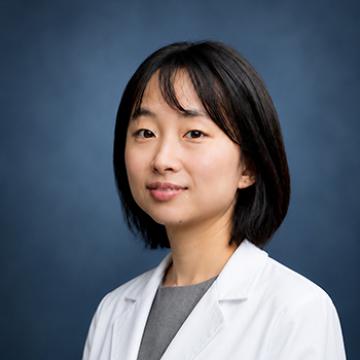
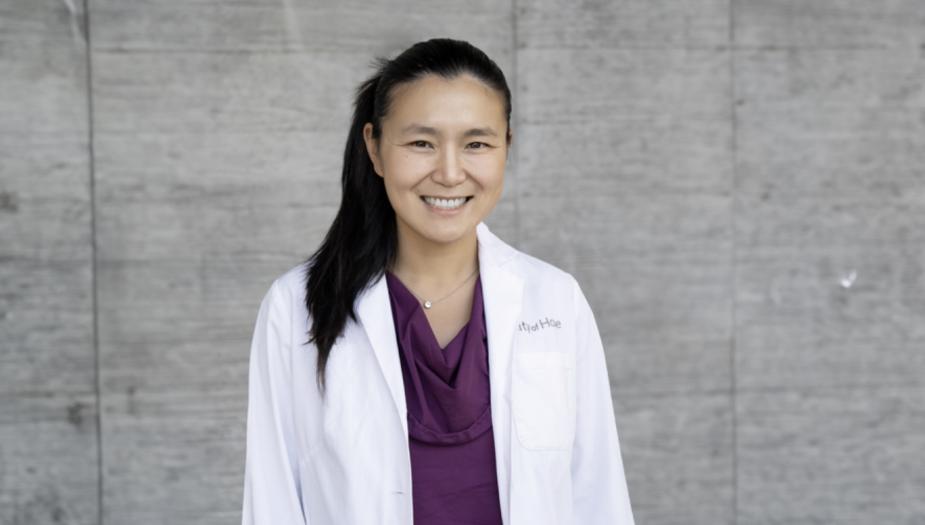
Yun Rose Li, M.D., Ph.D., is an assistant clinical professor and physician scientist in the Department of Radiation Oncology and Department of Cancer Genetics and Epigenetic at City of Hope® Cancer Center Duarte, California. She also holds a joint appointment in the Quantitative Medicine and Systems Biology at the Translational Genomics Research (TGen) Institute in Phoenix.
Lab Members
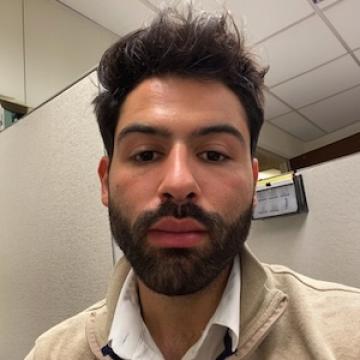
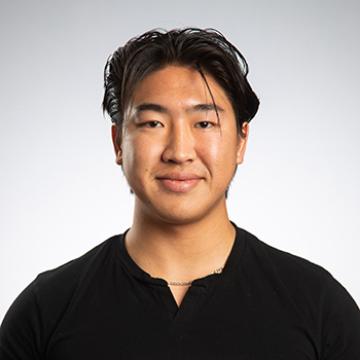
Tariq Abuali, B.S. attended University of California Riverside
...
Tariq Abuali, B.S. attended University of California Riverside which is where he received his bachelor's degree in biology and worked an intern at a neurofeedback clinic for addiction patients, was able to gain a lot of patient experience and from there worked at a PT clinic gaining more experience in other medical fields. He's always wanted to be in healthcare because he wanted to be a difference in the community that he served in regarding care. From those experience cancer being one of the areas, he has always wanted to be a part of lead me to City of Hope where he's able to do in the best possible way.
Kavya Achanta, Ph.D. was inspired to pursue a career as a
...
Kavya Achanta, Ph.D. was inspired to pursue a career as a molecular biologist after attending a lecture as an undergraduate on cell cycle regulation, as she was fascinated by the intricate regulation of cell division and replication. She moved to Lund University, Sweden, from India for her Master's program in Molecular Biology. During her Master's thesis, she was mentored by Claus Storgaard Sørensen at the University of Copenhagen, Denmark. She developed excellent molecular biology wet lab skills and gained a strong understanding of regulation of genomic stability in mammalian cells and how impairments of these mechanisms cause diseases such as cancer and neurological disorders.
During her Ph.D., she was mentored by Dr. Vilhem Bohr and Dr. Mansour Akbari at the University of Copenhagen, Denmark for her thesis on the "Molecular mechanisms of DNA repair deficiency and mitochondrial homeostasis impairment in neurological diseases." She also had the opportunity to visit the National Institute on Aging in the United States to learn about using C. elegans as a model organism in studying mitochondrial dysfunction in age-related neurodegenerative diseases. Subsequently, Kavya continued her research efforts during her research fellowship at Lund University, Sweden, for 23 months under the mentorship of Dr. Isabella Artner. Her work focused on: 1) Understanding the key role of transcription factors MafA and MafB in beta cell differentiation, pancreas development, and pancreatic cancer. 2) Gaining experience in computational analysis of single-cell RNA sequencing and bulk-RNA sequencing.
In November 2023, she joined the City of Hope as a post-doctoral fellow in Dr. Yun Rose Li's lab. Dr. Li has a unique background and mentoring philosophy and has agreed to support her goal of combining advanced training in cell and molecular biology with integrative genomics and computational biology. Furthermore, her experience as a clinician and practicing radiation oncologist provides Kavya opportunities to work on proximal-to-patient translational research projects and address important scientific questions that are directly relevant to human health.
I grew up in New York City, and even in the concrete jungle, I
...
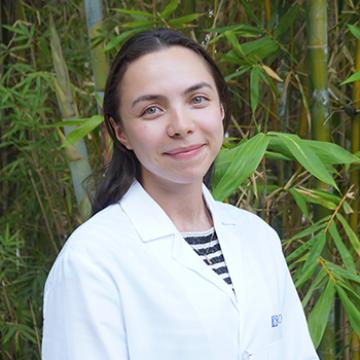
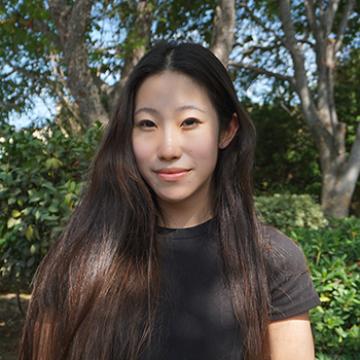
I grew up in New York City, and even in the concrete jungle, I was always fascinated by biology and nature. As I continued my education, I found a path that allowed me to bring together two of my biggest interests: biology and computation. I now get to apply those passions in bioinformatics and spatial transcriptomics to study the complex tumor microenvironment in prostate cancer. I’m also passionate about mentorship, outreach, and helping make science feel more accessible. Outside the lab, you can usually find me hiking, playing board games, or getting excited about animals, insects, and other small wonders.
I joined the Li Lab with an interest in cardiology but became
...
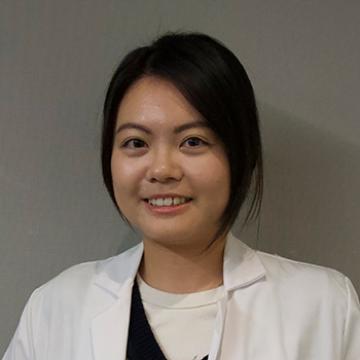
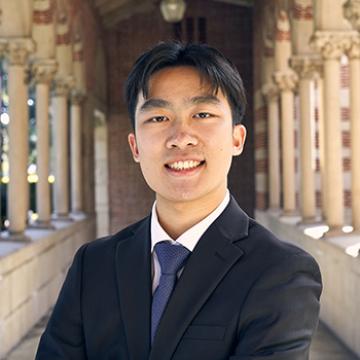
I joined the Li Lab with an interest in cardiology but became passionate about prostate cancer research after shadowing Dr. Li in clinic and seeing the impact of translational cancer research firsthand. My research focuses on prostate cancer metastasis, tumor evolution, and novel imaging technologies. After completing my PhD, I hope to attend medical school and pursue a career as a physician-scientist. Outside the lab, I enjoy spending time with my cat, reading, going to the beach, cooking, and spending time with friends.
I am a bioinformatic postdoctoral fellow under the co-mentorship
...
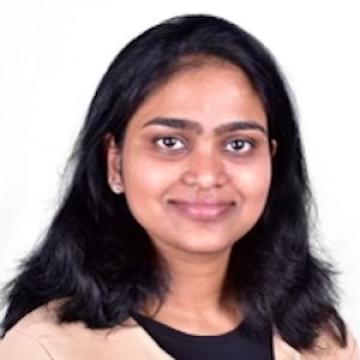
I am a bioinformatic postdoctoral fellow under the co-mentorship of Dr. Yun Rose Li and Dr. June-Wha Rhee. I obtained my PhD in Chemical Engineering at the University of California, Santa Barbara (UCSB) in Prof. Michelle O'Malley's lab. I am interested in applying my background in molecular biology, microbiology, and bioinformatics to develop multi-omics data anaysis workflows, with applications in improving cardiometabolic health in cancer patients and survivors. In my free time, I enjoy painting, spending time outdoors, and drinking tea/boba.
I’m from Los Angeles and grew up in Guatemala. I earned my B.S.
...
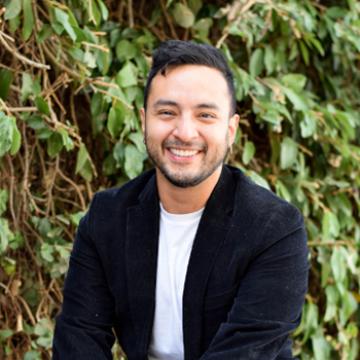
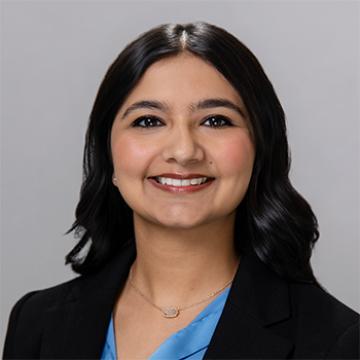
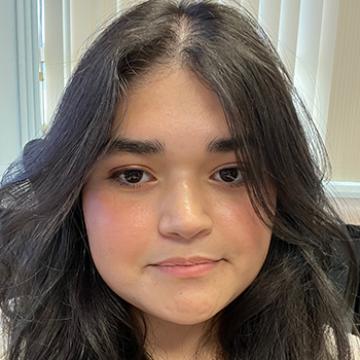
I’m from Los Angeles and grew up in Guatemala. I earned my B.S. in Cell and Molecular Biology from California State University, Northridge (CSUN). I joined the Li Lab because of its collaborative environment and the opportunity to gain experience across diverse areas of research, including wet-lab techniques, animal models, sequencing library preparation, bioinformatics, and translational research. My research focuses on the epigenetic mechanisms by which early-life exposure to obesity and diabetes increases susceptibility to inflammation-associated diseases such as colorectal cancer later in life. Outside the lab, I have a cat named Sally, I’m a proud Hufflepuff, and I enjoy traveling and going to concerts.
Hi, I'm Qianhua. I spend my days switching between research,
...
Hi, I'm Qianhua. I spend my days switching between research, coding, and managing lab. I enjoy solving complicated problems, learning new things, and pretending my to-do list is under control.
Fun fact: I have four cats, which means I don't actually own my home but they do. My unofficial side project is finding the world's best robot vacuum to keep up with their endless supply of fur.
Min grew up in China, and trained in medicine and immunology
...
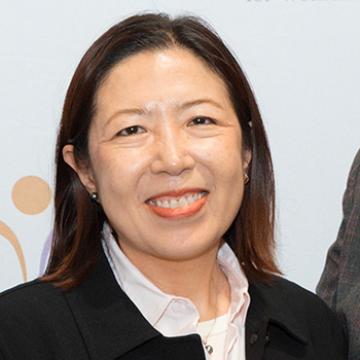
Min grew up in China, and trained in medicine and immunology before crossing the world to earn her Ph.D. in gene therapy at the University of Navarra in Pamplona, Spain. She joined City of Hope in 2005, spending her first 13 years studying lipid metabolism and epigenome reprogramming in prostate cancer and sarcoma — work that included leading the first Phase I trial of nelfinavir as a cancer therapeutic. In 2018 she moved into CAR-T cell therapy and now serves as Senior Staff Scientist and Correlatives Team Lead in the T Cell Therapeutics Research Laboratory, where she has led the immune-monitoring strategy across seven Phase I–II CAR-T trials, co-led two FDA IND-approved programs from bench to first-in-human dosing, and invented the ENG-CAR platform targeting CD105/endoglin in solid tumors and KIR3DL2 CAR in T-cell lymphoma. Her ENG-CAR work was selected for a Scientific Plenary Presentation at the SGO Annual Meeting in 2026, received First Place at the City of Hope Annual Poster Session in 2025, and awarded a Foundation of Women's Cancer Research Grant in Memory of Peggy A. Yates. She joined the Li Laboratories because the FASN→ROS biology she has studied for 25 years produces the same oxidative DNA adducts and mutational signatures the lab maps computationally — a connection she is eager to close with experiments. Outside the lab she is an enthusiastic music lover, a hiker of the San Gabriel Mountains, and a speaker of English, Mandarin, and functional Spanish.
After training as a dentist at Nanjing Medical University and as
...
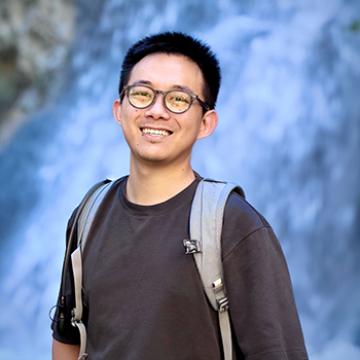
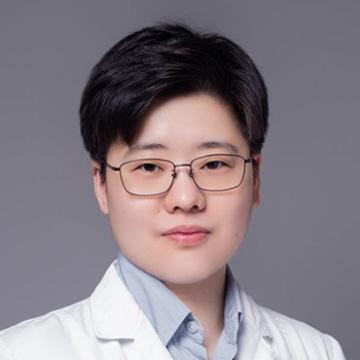
After training as a dentist at Nanjing Medical University and as an oral surgeon at Ninth People’s Hospital, Shanghai Jiao Tong University School of Medicine, Hok transitioned into cancer research. His previous work focused on immune checkpoint regulation in head and neck cancer and tumor antigen presentation in ovarian cancer. Hok joined Dr. Rose Li’s Lab to further explore cancer biology and immunology through both experimental and computational approaches, with the goal of translating scientific discoveries into better treatments for patients. Outside the lab, Hok enjoys hiking, road trips, wine tasting, board games, furniture assembly, hands-on engineering projects, and exploring new places around California.
Ziyi (Zoey) Huang, M.D. went to medical school at Shanghai Jiao
...
Ziyi (Zoey) Huang, M.D. went to medical school at Shanghai Jiao Tong University and worked for the China office of the University of Nebraska Medical Center as the office manager for a couple of years after graduation.
After being trained to become a healthcare provider in medical school and being the bridge between society and medical care providers, Ziyi found herself enjoying it more when she was able to provide care to the patients directly. In sight of this, she came to the United States to continue her path of becoming a doctor.
I grew up in the LA area, and went to University of San
...
I grew up in the LA area, and went to University of San Francisco, where I received a B.S. in Biology. That was where I gained a strong interest in research and tumor biology. Currently, I am in my final year of medical school at California University of Science and Medicine. I joined the lab due to my strong interests in radiation oncology, and am focusing primarily on clinical research. Outside of the lab, I love to spend time with friends and family, read, and do any arts and crafts!
I graduated from the University of Southern California with
...
I graduated from the University of Southern California with degrees in biochemistry and health promotion and disease prevention and a minor in music. Planning to attend medical school, I joined the lab to learn more about radiation oncology and further explore oncology translational and clinical research.
I am a master's student focusing on computational biology. I am
...
I am a master's student focusing on computational biology. I am particularly interested in developing computational approaches that turn biological data into clinically translationable insights.
Christian Lowe is an alumnus of the University of California
...
Christian Lowe is an alumnus of the University of California Riverside, where he earned a degree in biology and later completed a postbaccalaureate program at the University of California San Diego. He plans to apply to medical school and become a primary care physician.
His time in the Li lab is his first experience in basic science and clinical research. This role allows him to experience a collaborative environment that goes beyond direct patient care, highlighting the vital behind the scenes work and responsibilities required to improve health outcomes.
I am Chenying Ma, MD, PHD, a radiation oncologist from Suzhou,
...
I am Chenying Ma, MD, PHD, a radiation oncologist from Suzhou, China, and currently a visiting scholar and postdoctoral researcher at City of Hope. I received my medical training in China and work at the Department of Radiation Oncology, The First Affiliated Hospital of Soochow University.
I joined the lab to expand my experience in translational cancer research and to explore how computational biology, multi-omics, and clinical data can be integrated to improve cancer prevention and treatment. My research interests include precision radiotherapy, adaptive radiotherapy, radiation-related toxicities, colorectal cancer, and the interactions among the gut microbiome, metabolism, immunity, diet, and environmental factors. Through my work in the lab, I hope to develop clinically meaningful biomarkers and predictive models that can support individualized cancer risk assessment and treatment decision-making across diverse populations.
Outside the lab, I enjoy spending time with my family and my cats, exploring new places, and learning about different cultures. I am also passionate about medical education and science communication.
I'm a Chemical Engineering undergrad at Cal Poly Pomona aspiring
...
I'm a Chemical Engineering undergrad at Cal Poly Pomona aspiring to pursue an MD-Ph.D. I joined the Li Lab because I was excited by the opportunity to learn more about translational radiation oncology research and contribute to projects that bridge the gap between bench and bedside. My primary research focuses on developing an LC-MS/MS workflow to quantify oxidative DNA damage biomarkers in patients undergoing radiation therapy while assisting with other translational and clinical research projects across the lab. On my spare time, I enjoy going to cafes, collecting smiskis, and spending time with my 3 cats: Boots, Theo, and Bruno.
I grew up in Rancho Cucamonga, California, and after graduating
...
I grew up in Rancho Cucamonga, California, and after graduating from high school, I attended Occidental College, where I earned a bachelor's degree in Biochemistry with a minor in Neuroscience. During college, I joined Dr. Li's laboratory as an intern through the Eugene and Ruth Roberts Student Summer Academy. Following graduation, I transitioned into a full-time Research Technician position. In this role, I primarily process clinical specimens, including blood and cerebrospinal fluid, to support Dr. Li's clinical trials.
I am originally from Glendora, California, and earned my
...
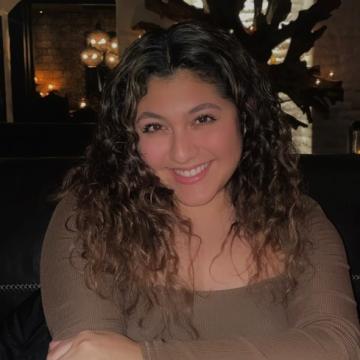
I am originally from Glendora, California, and earned my undergraduate degree in Human Biology from the University of Southern California. I am currently a medical student at Creighton University School of Medicine’s Phoenix campus. Before medical school, I worked in Dr. Michael Caligiuri’s cancer biology laboratory, where I developed a strong interest in translational oncology and research that can directly improve patient care. I joined Dr. Li's lab to further explore this intersection of laboratory science and clinical medicine. My research interests include prostate cancer, proteomic and metabolomic biomarkers, fasting-based interventions during cancer treatment, and cardio-oncology strategies aimed at reducing treatment-related cardiovascular risk. Outside of research and medical school, I enjoy spending time with family, following sports, and exploring new restaurants in Los Angeles and Phoenix.
As an undergraduate, Leslie Wenning, D.V.M., M.S.-L.A.M. majored
...
As an undergraduate, Leslie Wenning, D.V.M., M.S.-L.A.M. majored in psychology and obtained a New York State Elementary Teaching Certificate from Vassar College (Poughkeepsie, NY). She loved studying the human mind and genuinely enjoyed teaching elementary school children in both the US and UK. She also enjoyed working with animals while doing undergraduate research. Thus, after graduation, she wanted to enter a field that combined her passions for psychology, education, and research. As either a physician or veterinarian, she could be a health educator and scientist, as well as a source of emotional support, to either patients or patients' owners. She was torn between applying to medical versus veterinary school, but her father's passing during that time personally motivated her to become a physician. However, during her third year of medical school, she realized that she missed working with animals. As a veterinarian, not only would she get to work with animals and conduct research, but she would get to use her psychology and education skills with their owners. Subsequently, she left medical school and was accepted to veterinary school. Given her background in human medicine, she was immediately drawn to the field of laboratory animal medicine due to the emphasis on comparative medicine between humans and animals. More importantly, she has always believed that laboratory animals deserve access to enrichment, health, and ethical research protocols. Finally, she had found her calling, and in May 2022, she graduated from Tufts University Cummings School of Veterinary Medicine (North Grafton, MA) with a Doctor of Veterinary Medicine (DVM) and a Master's in Laboratory Animal Medicine (MS-LAM). Currently, she is a Resident Veterinarian, Laboratory Animal Fellow, and PhD Candidate in Biological Sciences at City of Hope (Duarte, CA). Human and animal health are interconnected, and she looks forward to working on preclinical animal models in the Li Lab to provide a better prognosis for both human and animal patients with cancer.
Students and Alumni
Students
- René Toribio - Master's Student | CIRM Bridges Research Inter
- Juncong (Ashley) Shi, B.S. - Research Intern
- Nicholas Correnti - Research Intern
- Adelynne Yang - Research Intern
- Justin Buan - Volunteer
- Miles Dorff - Volunteer
- Andersen Yang - Volunteer
- Matthew Wong
- Rishabh Garg
Alumni
- Chun Li, Ph.D.
- Kenichi Kudo, Ph.D.
- Ben Mercier, B.S.
Our Publications
Careers
Our Research and Training Philosophy (much of this is credited to Daniel Kahneman):
The scientific questions we’re exploring are big and complex; answering them requires the collaboration of many people with different perspectives, backgrounds and skill sets. We stress the importance of discussing ideas and scientific problems with others inside and outside of the lab. Most importantly, we believe it’s essential that everyone feels comfortable asking for help. Sharing knowledge, insights and expertise moves science forward. We work to make sure that every lab member can comfortably and respectfully question others’ hypotheses and conclusions. Just as experiments and bench work are essential for driving research forward, an attitude of continuous curiosity is crucial for developing scientific researchers. Our main priority is that students and postdocs learn how to think about difficult scientific problems.
We believe that mentorship is fundamental to science. Though institutional hierarchy dictates a set of mentor-mentee relationships, we also foster mentorship from peers and collaborators. Daily communication allows senior members of the group to educate and advise newer members, and we encourage newer members to seek guidance during their development as scientists. Each lab member will have their own career goals and aspirations. To this end, the lab aims to encourage and assist members in attaining the skills, connections, experiences and confidence they need to pursue the career of their choice.
We prioritize the physical, mental and emotional well-being of every lab member. We recognize that people have different needs and unique personal circumstances outside of the lab, and thus will have different limits. We also acknowledge how easily graduate students, postdocs and lab staff can feel socially isolated. We work to mitigate feelings of isolation by looking out for one another and creating an environment where personal wellness is valued above all. Graduate school and postdoc positions are stressful and can be overwhelming. Undue stress and anxiety, in particular the chronic low-level stress that can accompany an unsupportive atmosphere, are not conducive to developing as scientists or as people. We strive to keep our lab environment challenging but supportive, with reasonable expectations and open communication. To build camaraderie within the group, we host activities outside of research such as game nights, hikes, swimming, and group dinners. We hope you will join us in becoming a part of this community of people passionate about learning, creating and most of all — helping one another grow.
Contact Information
34.1291938, -117.9728148
Duarte, CA 91010