Blood Cancer Care in Orange County
As a pioneer in advancing care for all hematologic cancers and related blood disorders, City of Hope® leads the field as one of the largest and most successful hematology centers in the United States. Our dedicated, multidisciplinary team combines innovative research discoveries with superior clinical treatments to improve outcomes for patients with the most common to extremely rare hematologic diseases including leukemia, lymphoma, myeloma, amyloidosis, myelodysplastic syndrome and other benign and malignant hematologic disorders.
Why Choose City of Hope
Orange County for Hematologic Cancer Care?
City of Hope’s treatment and research has dramatically improved the lives of patients with leukemia, lymphoma, Hodgkin and non-Hodgkin disease, and multiple myeloma — the various cancers associated with blood and plasma. Our multidisciplinary team of specialists — including hematologists, medical and radiation oncologists, scientists, supportive care experts and other professionals work together to provide coordinated, personalized care for you and your loved ones. Now, this care is available in Orange County, closer to home.


Why Our Research and Innovation Matters
City of Hope is an international leader in blood cancer research and innovation, which continually enhances our ability to provide novel and differentiated approaches to cancer care. Our research leads to unique treatments and paves the way for important breakthrough therapies.
- Burkitt’s lymphoma
- Chronic lymphocytic leukemia (CLL)
- Chronic myeloid leukemia (CML)
- Chronic myelomonocytic leukemia (CMML)
- Cutaneous T cell lymphoma
- Diffuse large B cell lymphoma
- Double-hit B cell lymphoma
- Follicular lymphoma
- Hairy cell leukemia
- Hodgkin lymphoma
- Large granular lymphocytic leukemia (LGL)
- Mantle cell lymphoma
- Marginal lymphoma
- Non-Hodgkin lymphoma
- Small lymphocytic lymphoma
There are several subtypes of cutaneous lymphoma, which are classified by the type of cell affected (B cell or T cell).
Dozens of lymphoma types appear and act differently in the body. While lymphoma is a rare disease, some types are more common.
Myelodysplastic syndromes (MDS) are rare types of cancer that affect bone marrow and blood cells.
There are many types and subtypes of multiple myeloma which are based on the type of immunoglobulin (antibodies) produced by the myeloma cells.
Myeloproliferative neoplasms are a group of six diseases in which bone marrow produces too many red or white blood cells or platelets. The six types include:
- Polycythemia vera
- Chronic myelogenous leukemia
- Essential thrombocythemia
- Primary myelofibrosis (also known as chronic idiopathic myelofibrosis)
- Chronic eosinophilic leukemia
- Chronic neutrophilic leukemia
We Specialize in State-of-the-Art Treatments for Blood Cancer Care
Driving the field forward, City of Hope Orange County is helping to pioneer international hematology treatments.
- Developing new therapies, including vaccines and gene antibody based and CAR T-cell therapies — and combining immunotherapy with radiation therapy — to bolster the immune system's response to cancer.
- Expanding expertise in rare lymphoma subtypes, including cutaneous T cell lymphoma and double-hit B-cell lymphomas.
- Groundbreaking therapies for cutaneous lymphoma, including skin-directed and light therapies.
City of Hope Recognitions
- As a pioneer in research, it has been recognized with both Specialized Program of Research Excellence (SPORE) and Specialized Center of Research (SCOR) awards.
- City of Hope holds one of only three lymphoma-focused SPOREs and one of only two mantle cell lymphoma SCORs.
- City of Hope is one of the world’s largest and most successful bone marrow and blood stem cell transplant centers. The Center for International Blood and Marrow Transplant Research has ranked City of Hope as an “over performing” transplant center.
Treatment for Blood Cancers
In recent years, there have been significant advancements in therapies and treatments for blood cancer patients. Today, many types of blood cancers have positive treatment outcomes. The list below includes some of the most widely used options.
Lab-made proteins given through an IV or subcutaneous (SQ) injection that help the body’s immune system fight cancer. Unlike regular antibodies that attach to just one target, bispecific antibodies can attach to two different targets at the same time. All bispecific antibodies work by targeting T cells, a type of immune cell. For example, some bispecific antibodies are designed to connect a cancer cell to a T cell. By bringing these cells together, the immune system can better recognize and attack the cancer, helping the body fight the disease more effectively.
For certain blood cancers, especially those that affect a single organ or a localized area, surgery may be a possible treatment option. Surgery may be selected as a choice for lymphomas — particularly those around the spleen — or other organs that do not form part of lymphatic system, such as the thyroid or stomach.
This treatment targets cancer cells in the body using chemicals to destroy them or prevent them from growing. While this therapy is effective, the drugs involved may also affect healthy, normal cells, which may produce side effects, making it more taxing on the body. In the case of some blood cancers, chemotherapy may be given in combination with radiation therapy and stem cell transplantation.
This therapy is becoming an important approach to the treatment of blood cancers, including leukemia, lymphoma and multiple myeloma because of the notable benefits it provides to the patient. During immunotherapy treatment, the patient receives medicines designed to enhance their body's own defenses, enabling them to more effectively identify, limit, or eradicate the cancer's growth. Many patients find that immunotherapy offers fewer and shorter-term side effects. Among the types of immunotherapy are T-cell therapy, cytokine treatment, donor lymphocyte infusion, monoclonal antibody treatment and radioimmunotherapy.
Studies are underway exploring vaccines that could be given after treatment that could recognize and suppress the cancer cells and possibly assist in extending the duration of remission.
Along with chemotherapy and immunotherapy, radiation therapy may form part of a wider treatment plan to reduce or eliminate blood cancer symptoms and enhance quality of life. This therapy consists of using high-energy x-rays or other types of radiation to destroy cancer cells. The most widely used type of radiation therapy treatment for blood cancers is external beam radiation therapy (EBRT), which delivers radiation from outside the body. Radioimmunotherapy is another treatment option for certain blood cancers.
In this procedure, damaged or diseased cells are replaced by infusing healthy stem cells by transplantation into the patient’s body, stimulating it to produce healthy new blood cells. A stem cell transplant is often prescribed following chemotherapy or radiation therapy treatments, which specifically target malignant blood cells, but may weaken the healthy blood cell system.
Preventing the growth and survival of cancer cells is the aim of this treatment. Tests that examine the cells' DNA, proteins and other components are run to determine the most effective way to target the impacted cells. The course of action and treatment for the patient's cancer cell type are decided based on the results. Targeted therapy can be used in conjunction with chemotherapy or as a standalone treatment in the form of monoclonal antibodies, T-cell therapy or tyrosine kinase inhibitors (TKIs).
City of Hope’s transplant program is among the most successful in the U.S., with outcomes consistently ranked at the highest level by the Center for International Blood and Marrow Transplant Research (CIBMTR).
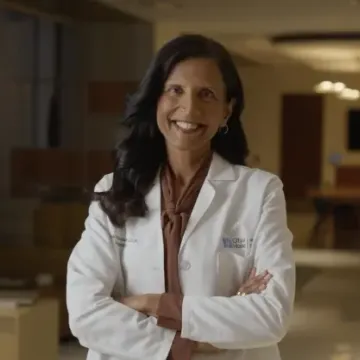
City of Hope
Researchers at City of Hope are advancing and innovating bispecific antibody therapies. Our scientists continuously explore new strategies and refine existing treatments to develop more powerful cancer treatments.
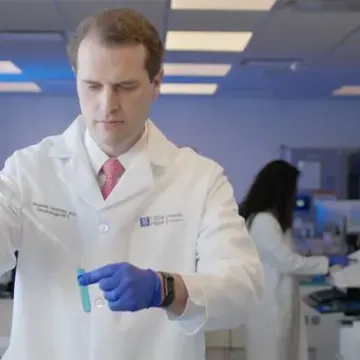
City of Hope is leading the way in one of today’s most advanced cancer treatments: CAR T cell therapy. This groundbreaking form of immunotherapy turns your own immune system into a precision cancer-fighting force by using your body’s own defenses to fight back with precision and strength.
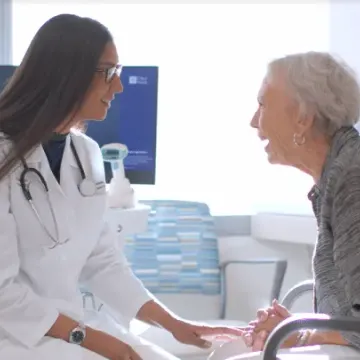
The Science of Cancer Survival Starts Here
Because every person is unique, we tailor treatment plans specific to each diagnosis. This individualized approach, combined with the most cancer-focused clinical trials in the state, is why City of Hope continues to lead Southern California — and the nation — in 5-to-10-year cancer survival rates. Read more to learn about blood cancer treatment and survival rate by type.
City of Hope Orange County Blood Cancer Doctors
With leading-edge blood cancer research, City of Hope cancer specialists deliver innovations from lab to patient with lifesaving speed, pioneering technologies that have led to cancer treatments used worldwide while finding new ways to give hope to those who need it most.
Hematology Leadership

Amrita Krishnan, M.D., directs the Judy and Bernard Briskin Center for Multiple Myeloma Research at City of Hope's cancer research hospital, seeking to make gains in one of the most rapidly changing areas in cancer research.

Tanya Siddiqi, M.D., is the medical director of the Division of Lymphoma at City of Hope.
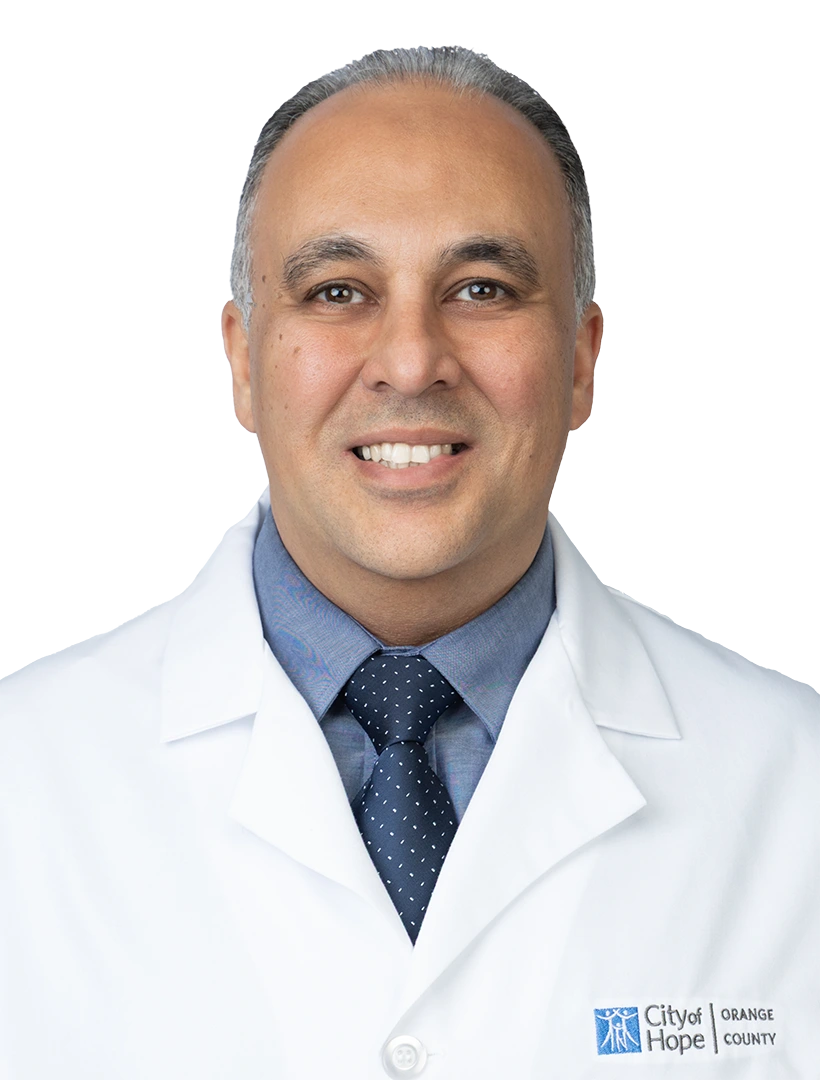
Samer Khaled, M.D., is a hematologist-oncologist at City of Hope Duarte in the Los Angeles-area and Medical Director of the Integrated Leukemia Service.
Leukemia Experts

Haris Ali, M.D., is a hematologist-oncologist and professor in the Department of Hematology & Hematopoietic Cell Transplantation.
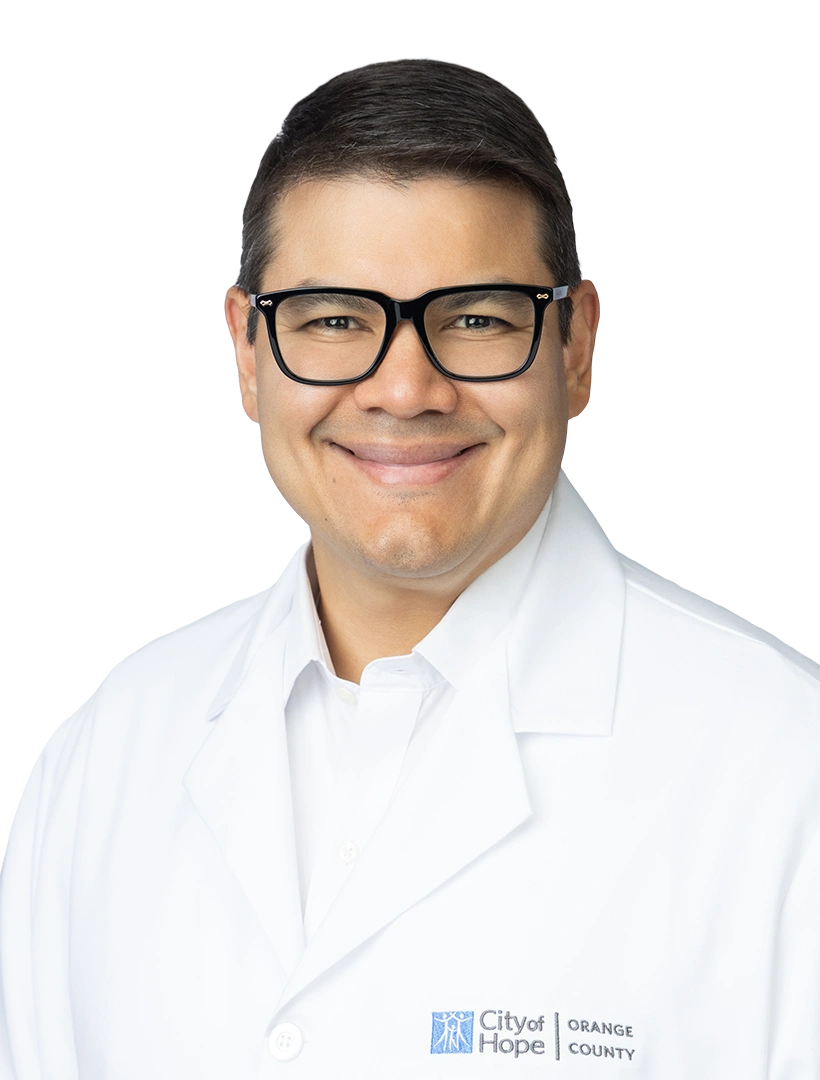
Julio Cesar Alvarenga, M.D., is Assistant Clinical Professor at City of Hope Orange County Lennar Foundation Cancer Center.
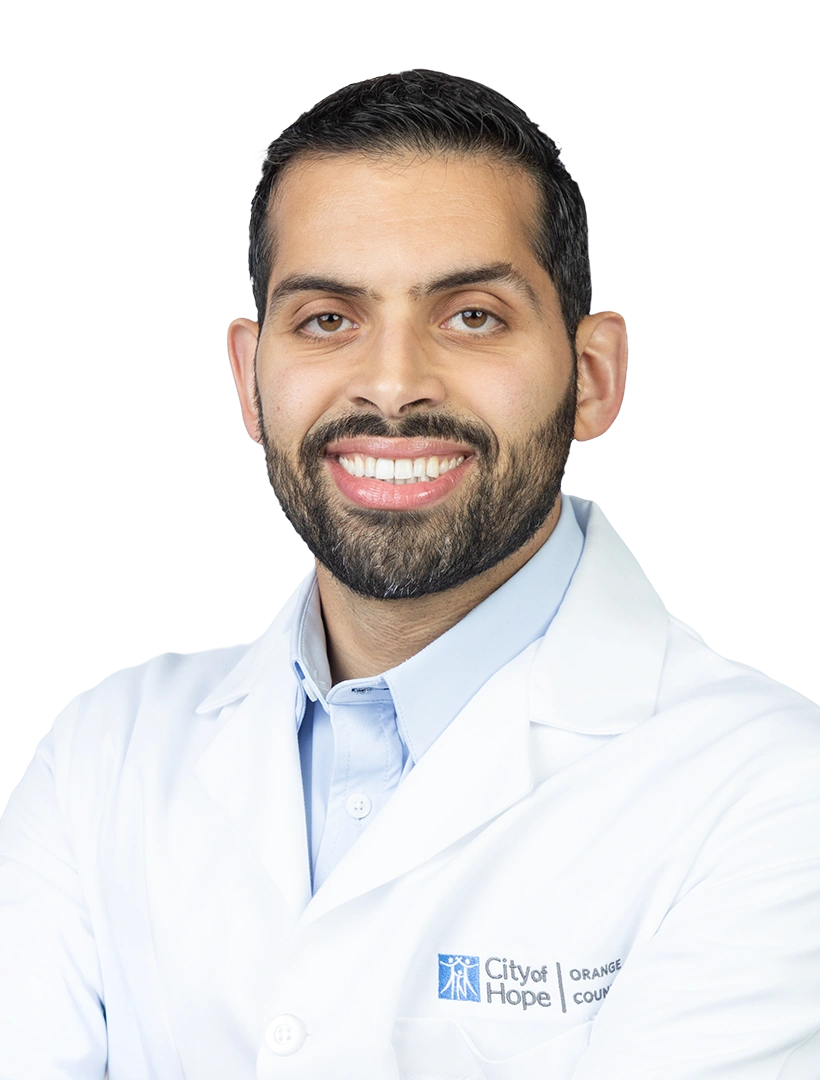
Dr. Tamer Othman is a leukemia and stem cell transplant expert at City of Hope in Orange County, CA. Learn about his background and experience with cancer patients.
Multiple Myeloma Experts

Lisa Lee, M.D., is an Associate Clinical Professor in the Department of Hematology and Hematopoietic Cell Transplantation at City of Hope.

Sarah S. Lee, M.D., is an assistant clinical professor in the Department of Hematology & Hematopoietic Cell Transplantation, who studies precision therapy for plasma cell disorders like multiple myeloma and amyloidosis.
Lymphoma Experts

Azra Borogovac, M.D., M.S., is a hematologist at City of Hope Orange County Lennar Foundation Cancer Center. For Dr. Borogovac, the patient is the most important part of the medical team. She sees the opportunity to provide care to people with cancer as a privilege.

Benjamin Heyman, M.D., is an Associate Clinical Professor specializing in lymphoma and chronic lymphocytic leukemia (CLL) at City of Hope Orange County.
Hematology

Luke Chen, M.D., is a medical oncologist and hematologist at City of Hope Orange County Lennar Foundation Cancer Center and Seacliff locations. Dr. Chen’s research has explored ways to improve treatment for prostate cancer and other malignancies.

Sudarsan Vishnu Kollimuttathuillam, M.D., is a medical oncologist and hematologist at City of Hope Orange County's Lennar Foundation Cancer Center and Seacliff locations. Dr. Kollimuttathuillan places a priority on offering his patients access to innovative treatments and clinical trial options.
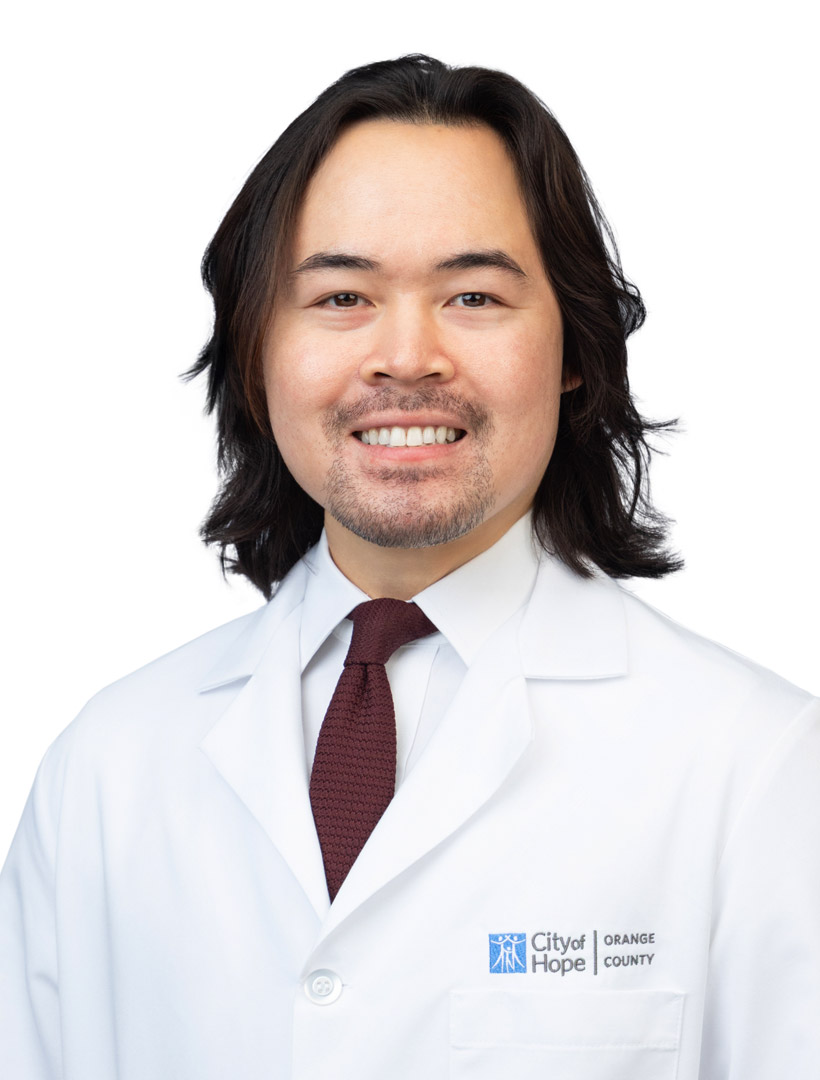
Peter Ngo, M.D., is an assistant clinical professor, Department of Medical Oncology and Therapeutics Research at City of Hope Long Beach Elm and Worsham.

Karla Olmedo, M.D., is a rising star in medical oncology and hematology. Dr. Olmedo is driven by the pursuit of advances in immunology and the promise of cell therapy in effectively fighting cancer.

Krushangi Patel, M.D., is a highly engaged practitioner who prioritizes not only her patients' physical well-being but also their emotional and spiritual needs.

George Bernard Semeniuk, III, M.D., is a hematologist/oncologist specializing in leukemia, lymphoma and hematopoietic cell transplantation.

Tingting Tan, M.D., Ph.D., is a medical oncologist and assistant clinical professor in the Department of Medical Oncology & Therapeutics Research at City of Hope.

Lihong Wu, M.D., is a medical oncologist and hematologist at City of Hope's Long Beach locations. Dr. Wu has made it her mission to help others triumph over cancer. She prides herself on being there for her patients and finding the best possible treatments for them.
Radiation Oncology

Colton Ladbury, M.D., is a radiation oncologist and assistant clinical professor in the Department of Radiation Oncology at City of Hope.
Supportive Care

Richard T. Lee, M.D., is the medical director of the Integrative Medicine Program in the Department of Supportive Care Medicine at City of Hope.

Jessica Cheng, M.D., is among the nation’s few, and Orange County’s only, fellowship-trained experts in cancer rehabilitation medicine. This is a subspecialty of physical medicine and rehabilitation (PM&R) also known as physiatry.
Clinical trial participation is a critical aspect of care for many patients living with cancer. Our patients can access more than 1,000 innovative Phase 1–3 clinical trials at City of Hope each year — more cancer-focused clinical trials than anywhere in the area — to provide promising new treatments long before they become the standard of care.
A trailblazing integrative medicine program combining the best of Western medicine and evidence-based complementary therapies, such as acupuncture, massage and meditation.
City of Hope is a national leader in evidence-based supportive care. The Sheri & Les Biller Patient and Family Resource Center at the Lennar Foundation Cancer Center will facilitate easy access to a wide range of programs, including care navigation, survivorship programs, psychological and spiritual counseling, pain management and more.
Marybelle's is a full-service salon extending a specialty shopping experience with oncology-trained cosmetologists.
The on-site pharmacy fills and dispenses prescriptions and offers over-the-counter medications, alleviating the burden of going elsewhere.
Blood Cancer Stories

Frequently Asked Questions About Blood Cancer
City of Hope provides comprehensive care for a wide range of blood cancers and hematologic disorders, from common to extremely rare diseases. These include leukemia, lymphoma, Hodgkin and non-Hodgkin lymphoma, multiple myeloma, amyloidosis, myelodysplastic syndromes (MDS) and myeloproliferative neoplasms. The team also specializes in rare and complex blood cancers, including cutaneous T cell lymphoma, double-hit B-cell lymphoma and other uncommon hematologic diseases.
Symptoms of blood cancer vary depending on the type of cancer and its stage. Common symptoms may include unexplained fatigue, frequent or severe infections, shortness of breath or increased coughing, unexplained bruising or bleeding, weight loss, fever, night sweats, decreased appetite, abdominal swelling and lumps or changes in the skin. Some people may have no noticeable symptoms in the early stages. These symptoms can also be caused by conditions other than blood cancer, so people who experience new or unexplained symptoms should talk with a health care provider.
Blood cancer diagnosis may involve specialized testing of the blood, bone marrow and other affected tissues or organs. These tests help specialists identify the specific type and characteristics of the disease and determine the most appropriate treatment approach. Because blood cancers can have many different subtypes and characteristics, an accurate diagnosis is an important step in creating a personalized treatment plan.
Blood cancer treatment depends on the type and characteristics of the disease and each patient's individual needs. Treatment options may include chemotherapy, immunotherapy, targeted therapy, radiation therapy, bispecific antibodies, CAR T cell therapy and stem cell transplantation. For certain blood cancers affecting a localized area or organ, surgery may also be an option. Treatments may be used alone or in combination as part of a comprehensive treatment plan.
A blood cancer treatment plan is based on the specific type and characteristics of the cancer, diagnostic test results and the patient's individual needs. City of Hope Orange County brings together a multidisciplinary team of hematologists, medical and radiation oncologists, scientists, supportive care experts and other specialists to develop coordinated, personalized care. This collaborative approach allows specialists to consider multiple treatment options and create an individualized plan.
Every patient's cancer journey is different. From diagnosis through treatment and recovery, City of Hope's multidisciplinary Orange County team provides personalized care and ongoing guidance. Your care team will explain your diagnosis, discuss treatment options, monitor your response to treatment and adjust your care as needed. Specialists also work together to address your overall health, well-being and quality of life throughout your treatment.
Yes. Clinical trials are an important part of City of Hope's approach to advancing blood cancer treatment and hematologic cancer care. Researchers are developing innovative therapies, including CAR T cell therapies, bispecific antibodies, vaccines, gene- and antibody-based therapies, in addition to combinations of immunotherapy with radiation therapy. Eligible patients may have access to clinical trials evaluating promising new approaches to blood cancer treatment.
Supportive care helps patients manage the physical and emotional challenges associated with blood cancer and its treatment. City of Hope's multidisciplinary team includes supportive care experts and other specialists who work alongside hematologists and oncologists to address treatment-related needs, help manage side effects and support quality of life. Support and guidance can continue after treatment to help patients with recovery and ongoing health needs.
If a blood cancer returns or does not respond as expected, your care team can reassess your condition and discuss additional treatment options. City of Hope combines specialized clinical expertise with ongoing research, giving eligible patients potential access to innovative therapies and clinical trials investigating new approaches to blood cancer treatment. Your specialists can help determine the next steps.
City of Hope Orange County has a multidisciplinary team of hematologists, hematologic oncologists and other specialists who care for patients with leukemia, lymphoma, multiple myeloma and other blood cancers and hematologic disorders. Just dial 877-541-4673 for immediate assistance.