Los Angeles-Area Pediatric Hematopoietic Stem Cell Transplantation & Cellular Therapy Program
The Pediatric Hematopoietic Stem Cell Transplant Program at City of Hope® is part of one of the world’s largest and most successful bone marrow transplant centers. We are dedicated to exceptional and innovative patient care, supported by research and education.
Conditions We Treat with HSCT in Los Angeles
City of Hope’s pediatric physicians are board-certified experts in pediatric hematology/oncology, bringing a wealth of knowledge and compassion to patient care. The program is led by researchers renowned for their efforts in providing cures to children, adolescents and young adults with a wide spectrum of childhood cancers and blood diseases, including:
- Leukemias, such as acute lymphoblastic leukemia, acute myeloid leukemia, JMML (juvenile myelomonocytic leukemia), BPDCN (blastic plasmacytoid dendritic cell neoplasm) and chronic myelogenous leukemia
- Lymphomas, including both Hodgkin and non-Hodgkin lymphoma
- Sickle cell disease and thalassemia
- Acquired bone marrow failure, including aplastic anemia, PNH (paroxysmal nocturnal hemoglobinuria) and MDS (myelodysplastic syndrome)
- Inherited bone marrow failure syndromes:
- Diamond-Blackfan anemia
- Dyskeratosis congenita
- Fanconi anemia
- Langerhans cell histiocytosis and hemophagocytic lymphohistiocytosis
- Solid tumors
Treatment Options at City of Hope
Pediatric bone marrow and stem cell transplants are performed when a patient’s bone marrow, which makes the cells in the blood, is not working properly or has been destroyed by chemotherapy or radiation. We perform two types of bone marrow or stem cell transplants:
- Allogeneic transplants, in which a patient’s bone marrow is replaced with stem cells or bone marrow from a healthy donor, such as a sibling, a volunteer or a half-matched, related donor. The care team may also use umbilical cord blood.
- Autologous transplants, which use the patient’s own stem cells
Immunotherapy is an exciting new form of cancer treatment that uses a body’s own immune system to kill cancer cells. Through groundbreaking research and clinical trials, we are providing this innovative treatment to our patients with leukemia and lymphoma.
We offer the FDA-approved CAR T cell therapy Kymriah® to patients up to 25 years old with relapsed or resistant acute lymphoblastic leukemia.
Questions Parents Might Have
When you’re considering a stem cell transplant for your child, you may have lots of questions. Below are some common questions our Los Angeles-area pediatric stem cell transplant team receives.
Pediatric stem cell transplant centers offer tailored multidisciplinary care. Pediatric programs include the entire family in the HSCT process and have customized supportive care providers who specialize in treating the unique needs of children and follow them as they grow into adulthood.
There are two types of stem cell transplants: autologous (which comes from the patient’s own body) and allogeneic (which comes from a donor). Based on the patient’s diagnosis and other factors, the care team will explain whether allogeneic or autologous is preferred for a particular patient. If an allogeneic transplant is preferred, the care team will consider a variety of options when seeking a stem cell donor. For instance, if the patient has a full sibling, there’s a 25% chance that the sibling will be a match. The sibling doesn’t need to be the same blood type as the patient to be a match. But even if your child doesn’t have a sibling match, the care team will look for other sources, and in most cases, a donor will be located.
Yes, City of Hope works with patients and their families to preserve future fertility options for both male and female patients.
A pediatric bone marrow transplant procedure isn't a surgery. It’s performed using a process similar to a transfusion.
No. At City of Hope, the stem cell harvest is typically performed as an outpatient procedure.
No, the patient will not be sedated during the stem cell infusion process.
The patient shouldn’t eat any raw meat or fish (including sushi) and can’t consume any unpasteurized or raw milk or cheese. City of Hope encourages patients to eat well-washed fruits and vegetables.
If your child receives an allogeneic transplant, he or she will be in the hospital for about six to eight weeks. If the child gets an autologous stem cell transplant, he or she will be in the hospital for about four to six weeks.
Most children do lose their hair as part of the HSCT process. The hair loss is not permanent, and it will grow back after the process is over.
City of Hope encourages parents to stay overnight in the hospital with their child. Many parents choose to take turns throughout treatment, with one parent staying overnight some nights and the other parent staying the alternate nights.
The care team will see the patient twice a week in the clinic for the first two to three months, after which the frequency of the visit will decrease. After 2 years post-transplant, the patient can become part of the survivorship program. Our pediatric transplant team can see the patient through age 30, and after that, patients can stay with City of Hope’s adult transplant follow-up program.
Yes, after a stem cell transplant, the patient will need to get all their infant immunizations again, but they won’t be given all at once.
The answer depends, but some patients return to school within six months.
The City of Hope Difference
- State-of-the-art research performed on our campus, including access to innovative clinical studies
- A multidisciplinary team, including pediatric oncologists, hematologists, surgeons, radiation oncologists, pathologists and other specialists
- Experts in psychology and social work, as well as recreational, occupational and physical therapy, music therapy, pet therapy and school reintegration
- The Sheri & Les Biller Patient and Family Resource Center
- Support programs for adolescents and young adults undergoing stem cell transplant, assisting with the often difficult transition into adulthood at the time of illness
- Our late effects/survivorship clinic, which supports patients long after their transplant
City of Hope participates in the Children’s Oncology Group, Pediatric Transplantation and Cellular Therapy Consortium and Blood and Marrow Clinical Trials Network research protocols, as well as The Sickle Cell Transplant Advocacy & Research Alliance (STAR), Center for International Blood and Marrow Transplant Research and National Marrow Donor Program. This helps us advance our progress through research and innovation. We are also accredited by the Foundation for the Accreditation of Cellular Therapy and benefit from the longstanding, world-renowned supportive programs here at City of Hope, including our expert-matched unrelated donor search team and stem cell processing center.
For more information on our pediatric cancer research, including ongoing clinical trials, visit City of Hope’s Clinical Trials Online website.
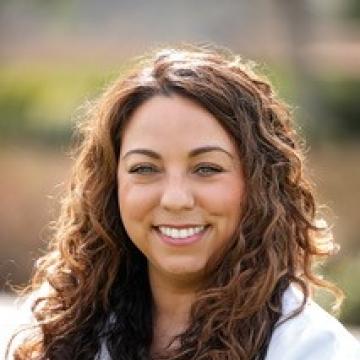
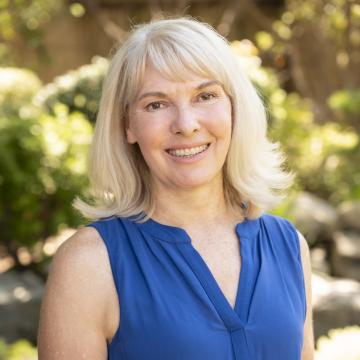
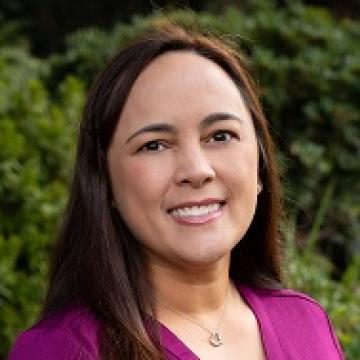
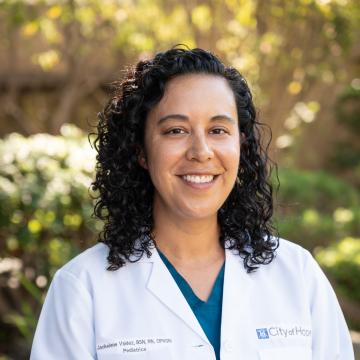
Pediatric Bone Marrow Transplant and Cellular Therapy Cancer Care Team

Dr. Lior Goldberg leads City of Hope's Pediatric and Young Adult Cancer Cell Therapeutic Lab. As a physician-scientist, Dr. Goldberg helps patients and families directly by overseeing treatment and on a broader scale through his work developing new therapies.

Nicole Karras, M.D., is a pediatric physician who specializes in treating children diagnosed with cancer, particularly blood cancers — such as leukemias and lymphomas — that would require stem cell transplant therapy.

Lindsey Murphy, M.D., M.S., is an assistant professor in the Department of Pediatrics at City of Hope in Duarte, California.

Anna Pawlowska, M.D., specializes in treating young people with leukemia and directs our Pediatric Hematopoietic Cell Transplantation Program.
.jpg)
Dr. Wang is an assistant professor in the Department of Pediatrics at City of Hope, Duarte.